
Sweden is undertaking its biggest military expansion since the Cold War, ordering French frigates, American long-range rocket artillery, new air-defence systems, drones and satellites while investing heavily in its domestic defence industry. The largest confirmed contract of 2026 is a SEK 47 billion (€4.22 billion) deal for four warships. A forthcoming multinational order for more than 400 CV90 infantry fighting vehicles, potentially worth SEK 35–60 billion (€3.14–5.38 billion), could become an even bigger landmark for Swedish defence manufacturing.
Sweden’s military defence appropriations for 2026 total SEK 175 billion (€15.70 billion), an increase of SEK 26.6 billion (€2.39 billion), or 18 per cent, compared with 2025. The government expects defence expenditure to reach approximately 2.8 per cent of GDP under NATO’s definition this year.
Stockholm is acquiring weapons systems that will fundamentally alter how its armed forces operate. The Army is gaining the ability to strike targets hundreds of kilometres away. The Navy is preparing for more substantial NATO maritime operations. The Air Force is investing in surveillance and the development of its next generation of combat aircraft.
At the same time, Sweden’s defence manufacturers are benefiting from military spending elsewhere in Europe. Saab has won a Polish submarine contract almost identical in value to Sweden’s new frigate purchase, while BAE Systems Hägglunds is negotiating a multinational armoured-vehicle programme potentially worth billions of euros.
| Sweden’s Total 2026 Defence Appropriations | €15.70bn (SEK 175 billion) |
| Four New Frigates | €4.22bn (SEK 47 billion) |
| Territorial Air Defence | €1.35bn (SEK 15 billion programme) |
| Proposed Multinational CV90 Deal | €3.14–5.38bn (SEK 35–60 billion, estimated) |
This analysis examines Sweden’s major procurement decisions and industrial developments from 1 January to 17 October 2026, identifying their different statuses – not deliveries under earlier agreements.
The Navy: Four French frigates for €4.22 billion
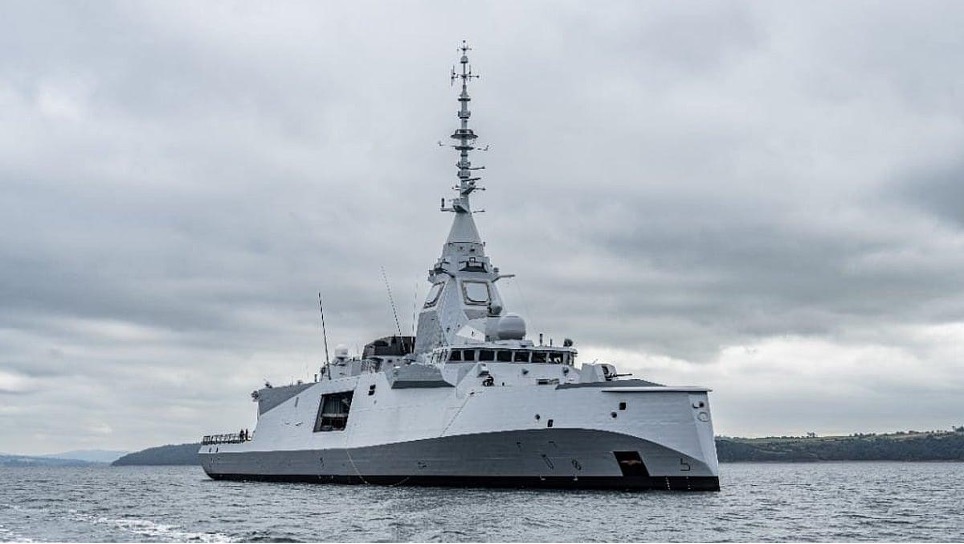
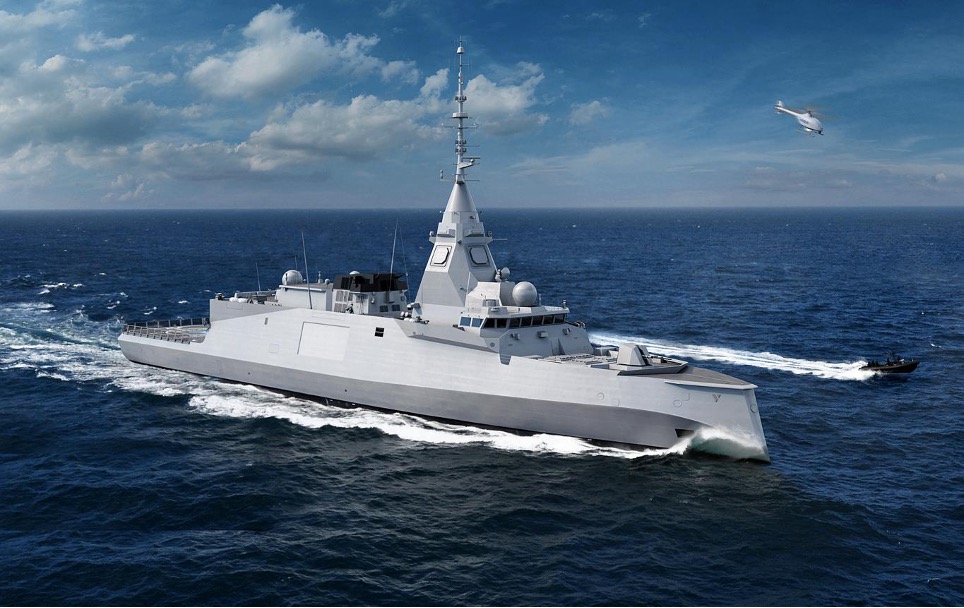
The most expensive confirmed Swedish weapons contract of 2026 was signed on 31 August, when the Swedish Defence Materiel Administration, FMV, ordered four FDI frigates from France’s Naval Group.
The agreement is worth approximately SEK 47 billion (€4.22 billion), including training equipment, spare parts and associated materiel. The vessels will form Sweden’s new Luleå class and are scheduled for delivery between 2030 and 2034.
The FDI, or Frégate de Défense et d’Intervention, is a multi-role surface combatant designed for air defence, anti-submarine warfare, maritime surveillance and attacks against hostile ships.
It represents a substantial departure from Sweden’s traditional naval philosophy.
Swedish warship design has historically emphasised smaller vessels capable of operating in the Baltic’s confined waters and complex archipelagos. The existing Visby-class stealth corvettes are technologically sophisticated, but their limited size restricts the amount of ammunition, sensors and equipment they can carry. The new frigates offer a much greater capacity for sustained operations and for protecting other ships against aerial threats.
A Longer-range Air-defence Capability for the Ships
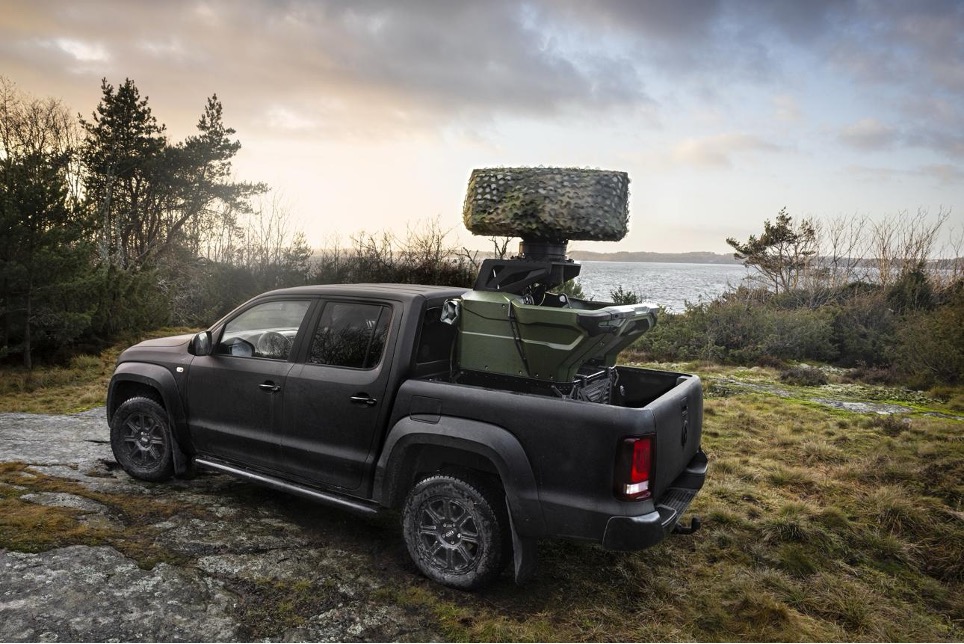
The Swedish configuration will combine French, British and Swedish technology. FMV has specified Aster 30 and CAMM-ER surface-to-air missiles, Swedish RBS15 anti-ship missiles, Torpedo 47, Giraffe 1X radar, Bofors 57 mm and 40 mm guns and Saab Trackfire remote weapon stations.
Aster 30 provides a longer-range air-defence capability, while CAMM-ER adds another defensive layer. The RBS15 enables the ships to attack enemy surface vessels. Torpedoes and associated surveillance systems support anti-submarine warfare.
For the Swedish Navy, the combination provides substantially more flexibility than its current corvette fleet.
The planned deliveries are:
| Vessel | Year |
| HMS Luleå | 2030 |
| HMS Norrköping | 2032 |
| HMS Trelleborg | 2033 |
| HMS Halmstad | 2034 |
Protecting Maritime Supply Routes and Critical Underwater Infrastructure
The frigates will strengthen Sweden’s ability to contribute to NATO’s maritime operations across northern Europe.
Anti-submarine warfare is particularly important for protecting maritime supply routes and critical underwater infrastructure in the Baltic Sea. The new vessels will also provide protection against aircraft and missiles for naval formations operating beyond Sweden’s immediate coastline.
The decision to purchase an established French design reflects the growing importance of delivery schedules. Naval Group already has French and Greek customers for the FDI, reducing some of the risks associated with developing a completely new class. The contract also creates opportunities for Swedish suppliers. Saab and BAE Systems Bofors will provide several of the weapons and sensors integrated into the ships.
The Army: HIMARS introduces long-range precision strikes
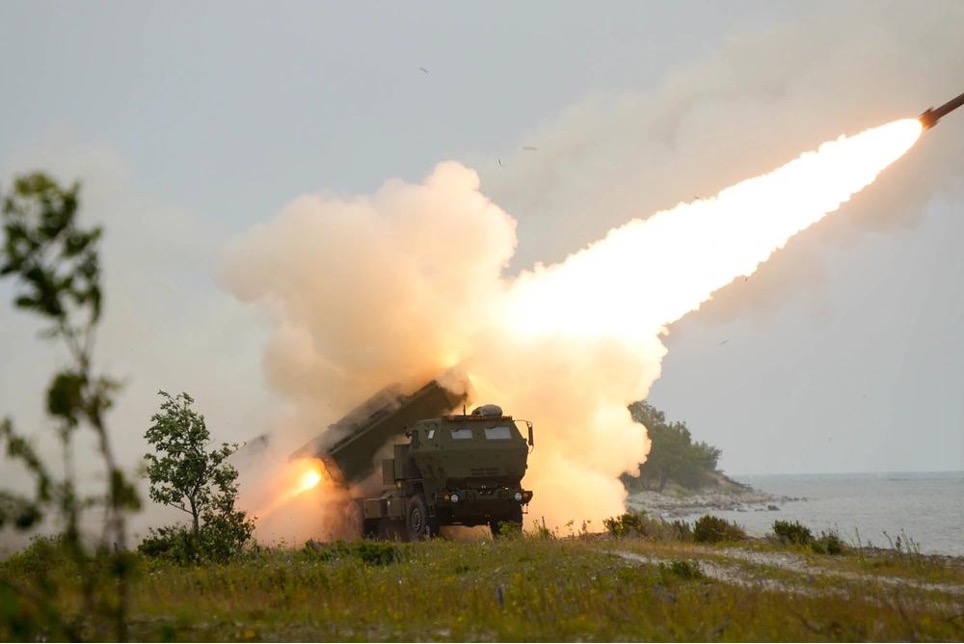
In September, Sweden authorised the acquisition of the American M142 HIMARS rocket artillery system.
The procurement has a total estimated value of SEK 7 billion (€628 million), covering launchers, ammunition, command systems, training and maintenance. The first deliveries are scheduled for 2027.
Manufactured by Lockheed Martin, HIMARS is a highly mobile rocket and missile launcher mounted on an all-wheel-drive truck.
Depending on the ammunition, it can engage targets at ranges ranging from roughly 80 kilometres to several hundred kilometres. Certain advanced missile types can reach approximately 500 kilometres, although the exact operational range available to Sweden depends on the ammunition acquired.
This is a major change in Swedish land warfare. Traditional tube artillery supports troops relatively close to the battlefield. HIMARS allows commanders to strike high-value targets much further away, including ammunition depots, headquarters, logistics hubs and missile-launching positions. The system’s mobility also improves survivability. Launchers can fire and rapidly change position, complicating enemy attempts to locate and destroy them.
Rocket System Cooperation with Finland
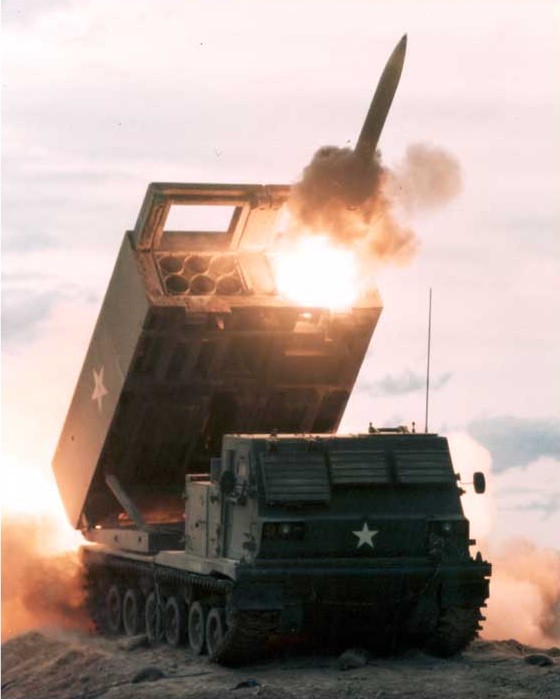
Finland already operates the American M270 multiple-launch rocket system, which shares ammunition compatibility with HIMARS.
Swedish and Finnish defence cooperation will therefore become increasingly important for training, maintenance, ammunition procurement and tactical development.
The two countries could ultimately develop a more closely coordinated long-range fires capability across northern Scandinavia.
The strategic advantage also depends on intelligence. A weapon capable of striking targets hundreds of kilometres away requires reliable surveillance, rapid target identification and secure communications. That helps explain Sweden’s parallel investment in drones and military satellites.
Air Defence: €781 Million in GUTE II Contracts
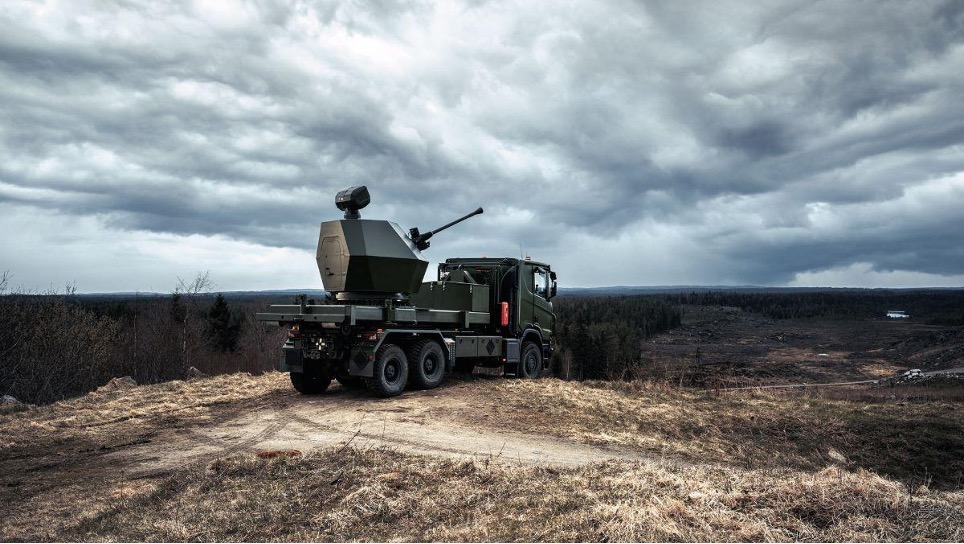
One of Sweden’s most important procurement announcements came on 2 April, when FMV placed orders worth SEK 8.7 billion (€781 million) for GUTE II, a modular territorial air-defence and counter-drone system.
The programme forms part of a wider government commitment of SEK 15 billion (€1.35 billion) to strengthen territorial air defence, announced in January. The two figures overlap and should be treated as different stages of the same broad investment. The purpose is to protect military formations, mobilisation facilities and potentially civilian infrastructure, including cities, ports, railway junctions and power installations.
GUTE II: Economical Response
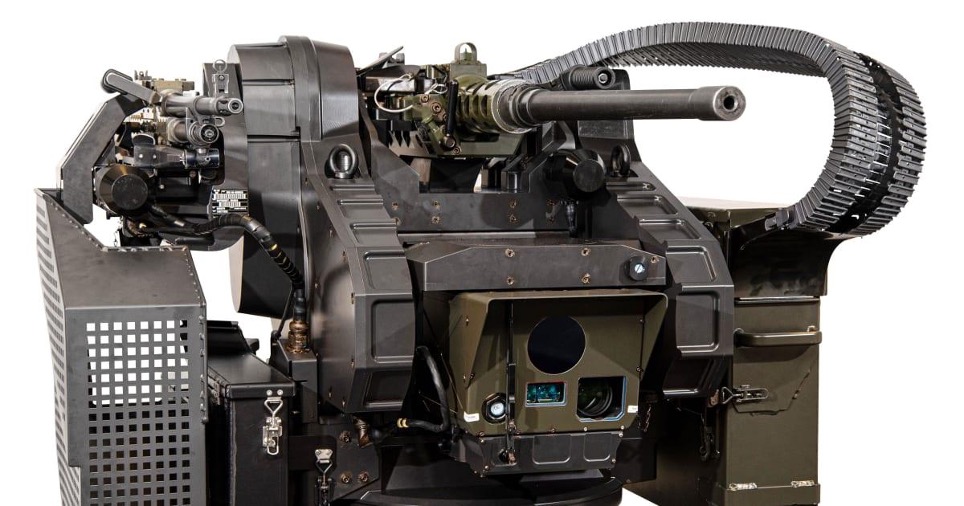
GUTE II combines sensors, electronic warfare, command-and-control systems and different types of weapons.
Its equipment includes BAE Systems Bofors’ TRIDON Mk2, a truck-mounted 40 mm automatic cannon, and Saab’s mobile counter-drone technologies. TRIDON Mk2 uses programmable ammunition that can detonate close to an aerial target. This makes it particularly suitable for engaging smaller drones.
Saab’s equipment combines surveillance sensors, weapon stations and electronic systems into a network capable of detecting, tracking and engaging aerial threats.
The central principle is layered defence. A radar detects an incoming threat, a command system assesses it, and the most appropriate available weapon can be selected. For relatively inexpensive drones, automatic cannons may offer a more economical response than sophisticated surface-to-air missiles.
Swedish Defence-industry Orders
BAE Systems Bofors received a TRIDON Mk2 contract worth approximately $180 million (€160 million).Saab received an order worth SEK 2.6 billion (€233 million) for its counter-unmanned aerial system.
These orders belong to the broader GUTE II programme and are included within the SEK 8.7 billion (€781 million) total.
The first deliveries are planned for 2027–2028. For BAE Systems Bofors, the programme provides a substantial domestic market for its 40 mm technology. For Saab, it strengthens the company’s position in integrated air defence.
Another €108 Million Radar Contract
On 2 June, Saab secured a separate contract for Giraffe AMB surveillance radar and associated command systems for Swedish Army brigades.
The order is worth SEK 1.2 billion (€108 million), with deliveries scheduled for 2029–2030.
Giraffe AMB is a medium-range radar designed to detect aircraft, helicopters, drones and other airborne threats. The associated command systems allow air-defence units to respond more effectively and coordinate with other formations. The purchase strengthens the Army’s organic air defence, which accompanies military units during manoeuvre operations.
Archer: Sweden Receives its First New 8×8 Howitzers and Wants More
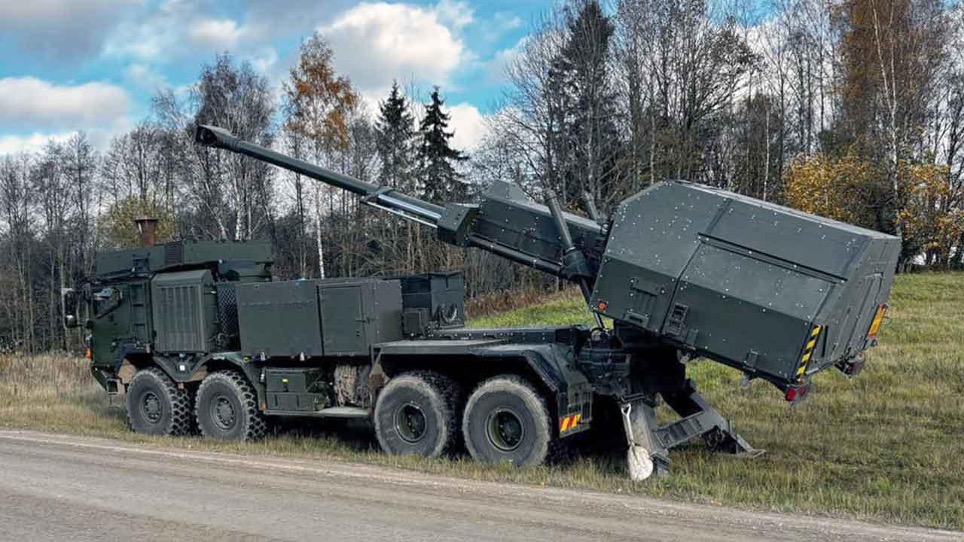
On 25 August, Sweden formally handed over its first four new Archer 8×8 self-propelled howitzers to the Army.
The vehicles belong to a 48-system contract awarded to BAE Systems Bofors in 2023, worth approximately SEK 5 billion (€449 million). The deliveries therefore represent progress under an earlier order.
Archer is one of Europe’s most highly automated artillery systems.
Its 155 mm gun is mounted on an eight-wheeled military truck, allowing it to operate rapidly across roads and difficult terrain.
Its automated loading system enables the crew to remain protected inside the vehicle while firing.
The weapon can deploy, fire multiple rounds and relocate within a very short period. Depending on ammunition, its range can exceed 50 kilometres.
This capability is particularly valuable in modern artillery warfare, where reconnaissance drones and counter-battery radars can rapidly identify firing positions.
Archer is designed to fire and move before opposing artillery can respond.
BAE Systems’ July financial results disclosed an additional Swedish-government Archer contract awarded in March 2026, valued at more than $200 million, equivalent to more than €178 million. The company identifies this as a 2026 award building on earlier business. It should be accounted for separately from the 2023 order and 2025 equipment commitments.
International Demand: Ukraine and Latvia
Ukraine has received Archer artillery systems transferred from Swedish stocks. Sweden also placed an additional order for 18 Archer systems in 2025 as part of its military assistance to Ukraine.
Latvia had been another prospective customer. It signed a letter of intent in 2025 concerning 18 Archer systems and continued negotiations with Bofors.
However, Latvia’s government decided on 15 September 2026 to select the Czech-made Morana 155 mm wheeled howitzer from Excalibur Army instead.
Latvia’s Ministry of Defence cited its assessment of cost, delivery times, operational requirements and opportunities for domestic industry.
That decision was a commercial disappointment for Bofors. There is a growing competition between European artillery manufacturers. Rapid procurement, production capacity and cost are becoming as important as technical capability.
Anti-tank Defences: Germany’s Skorpion 2
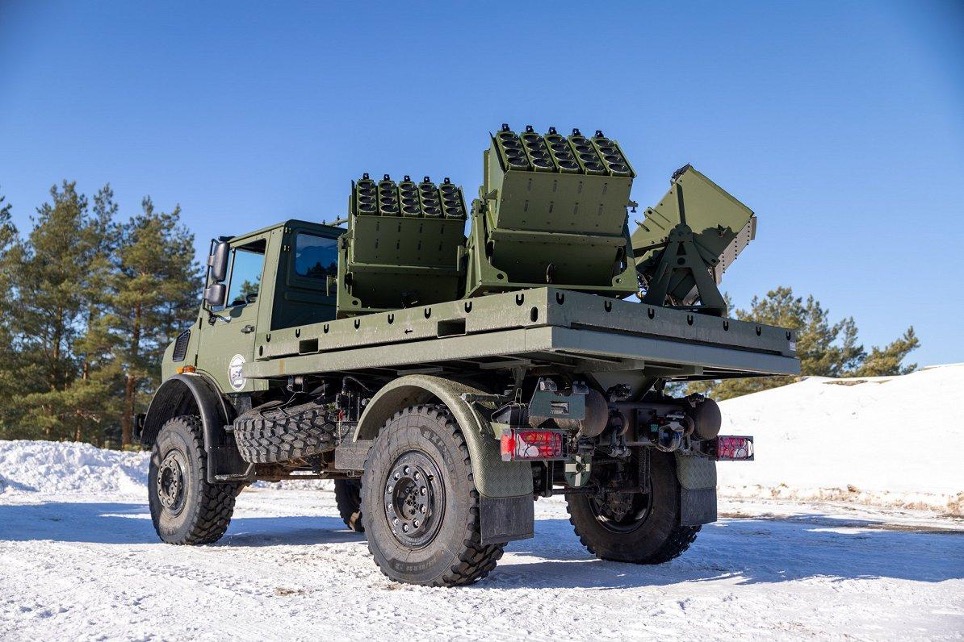
Sweden is also restoring capabilities associated with conventional territorial defence.
On 17 June, FMV announced a framework agreement with Germany’s Dynamit Nobel Defence for Skorpion 2, a vehicle-mounted anti-tank mine-laying system.
The agreement runs until 2033 and has a potential total value of SEK 4 billion (€359 million).
The first confirmed order is worth approximately SEK 900 million (€80.8 million).
Skorpion 2 can distribute up to 400 anti-tank mines in ten minutes, allowing military engineers to establish defensive minefields rapidly.
Such systems can obstruct an enemy’s armoured formations, restrict manoeuvre and channel vehicles into routes where they become vulnerable to artillery and anti-tank weapons.
In northern Europe, geography makes this capability particularly relevant. Forests, marshes, limited road networks and difficult terrain can significantly constrain the movement of heavy armour. Denmark and Latvia have also selected Skorpion 2, although FMV does not identify those as new 2026 orders.
The Air Force: €377 million in future Gripen technology
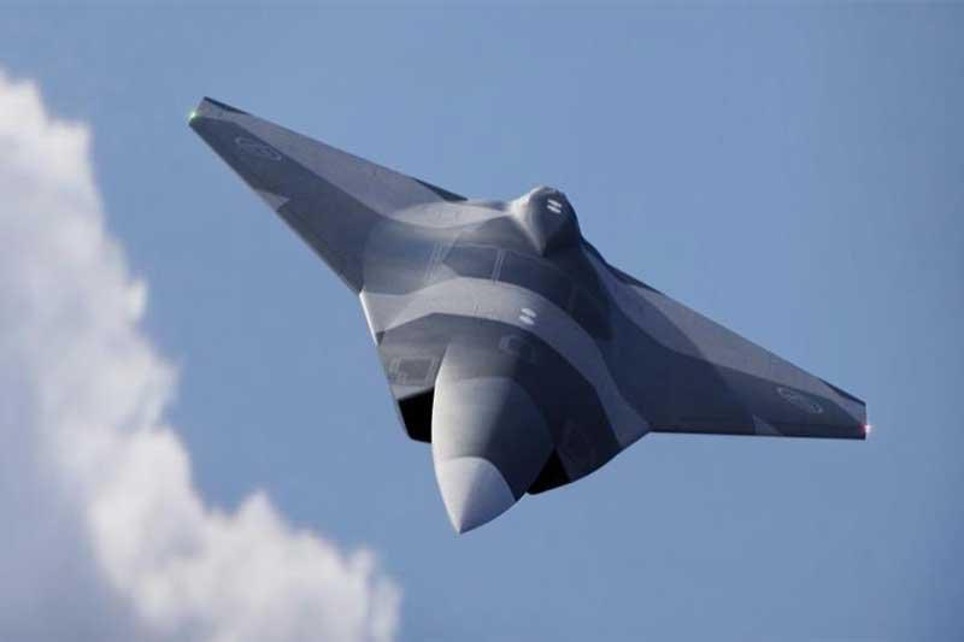
The Swedish Air Force’s most important newly announced contracts concern its future combat-air capabilities.
On 9 September, Saab received an FMV order worth approximately SEK 2.9 billion (€260 million) for further development of future fighter aircraft concepts.
The programme runs from 2026 to 2028, with options extending into 2030.
It involves flying demonstrators, ground-based testing, manned and unmanned aircraft concepts and technologies relating to autonomy, propulsion, sensors, reduced radar signatures and digital systems.
For Sweden, the investment protects its ability to make independent decisions about the successor to Gripen. It also supports the retention of advanced aerospace engineering and manufacturing capabilities.
Another €117 Million for Gripen Computers
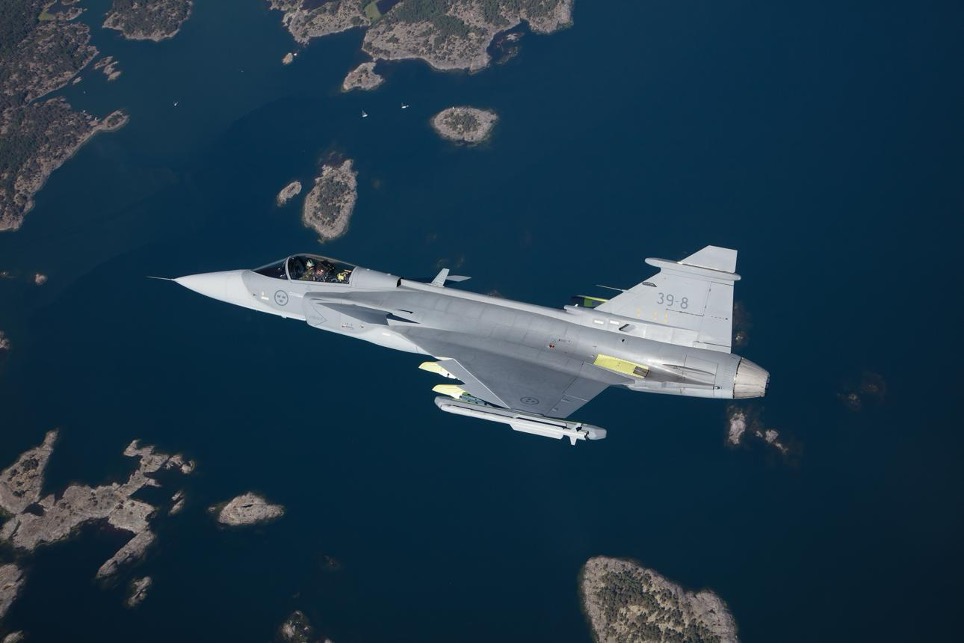
On 15 October, Saab announced another order worth SEK 1.3 billion (€117 million) to develop a new flight-control computer for Gripen.
The equipment is intended to replace older technology and improve performance, availability and long-term support. Deliveries are scheduled for 2030. Together, these two newly awarded contracts amount to approximately SEK 4.2 billion (€377 million).
Sweden Unveils its First GlobalEye Aircraft
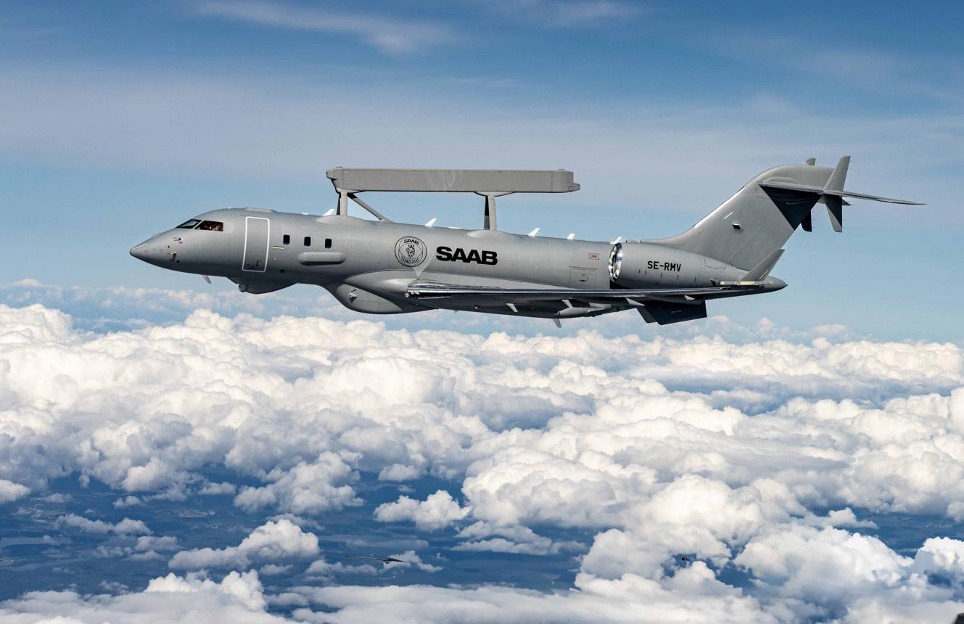
On 15 October, Saab also presented the first GlobalEye airborne early warning and control aircraft intended for the Swedish Air Force.
GlobalEye combines powerful airborne radar with other sensors aboard a business-jet-derived aircraft.
It can monitor aircraft, ships and activities over land across extensive areas and distribute intelligence to military units.
The aircraft will significantly strengthen Sweden’s situational awareness across the Baltic and northern Europe. Sweden ordered its GlobalEye aircraft in 2022 and 2024, so the October presentation represents a production milestone under earlier contracts.
GlobalEye Exports in 2026
On 27 July, Saab received an order for two GlobalEye aircraft from an unidentified Middle Eastern country.
The contract is worth SEK 10.1 billion (€906 million), with deliveries planned for 2030.
The Netherlands also announced its intention to acquire GlobalEye in September, while Canada has been preparing possible procurement negotiations. Those prospective purchases have yet to become firm orders.
NATO selected GlobalEye in July as the basis for its future airborne early warning capability, with plans to negotiate the acquisition of up to ten aircraft.
Drones and Satellites: €476 Million for a New Generation of Warfare
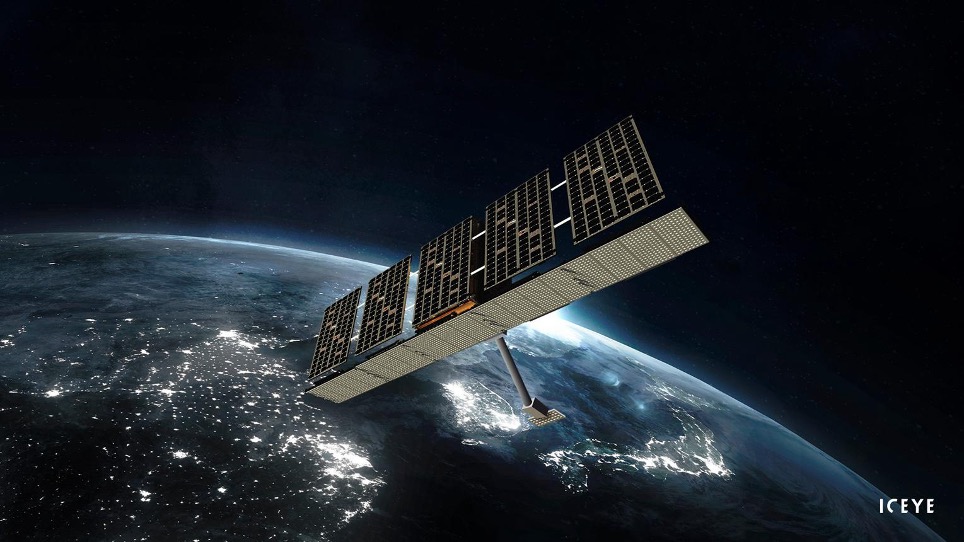
Sweden’s government announced investments exceeding SEK 5.3 billion (€476 million) in drones and military satellites on 12 January.
More than SEK 4 billion (€359 million) was allocated to unmanned systems, with a further SEK 1.3 billion (€117 million) for expanded military space capabilities.
The unmanned systems include reconnaissance drones, loitering munitions, airborne electronic-warfare equipment and unmanned naval systems.
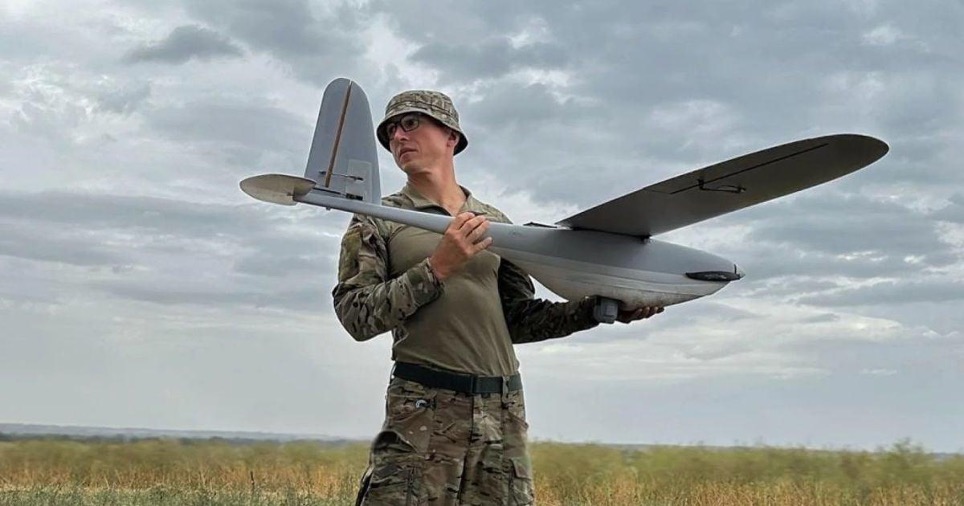
These represent some of the most important lessons Sweden has drawn from the war in Ukraine.
Reconnaissance drones can monitor enemy movements continuously, while loitering munitions can locate and strike targets without requiring a conventional artillery gun or manned aircraft. Electronic-warfare drones can detect communications or assist in disrupting hostile systems.
Satellite Cooperation with Finland
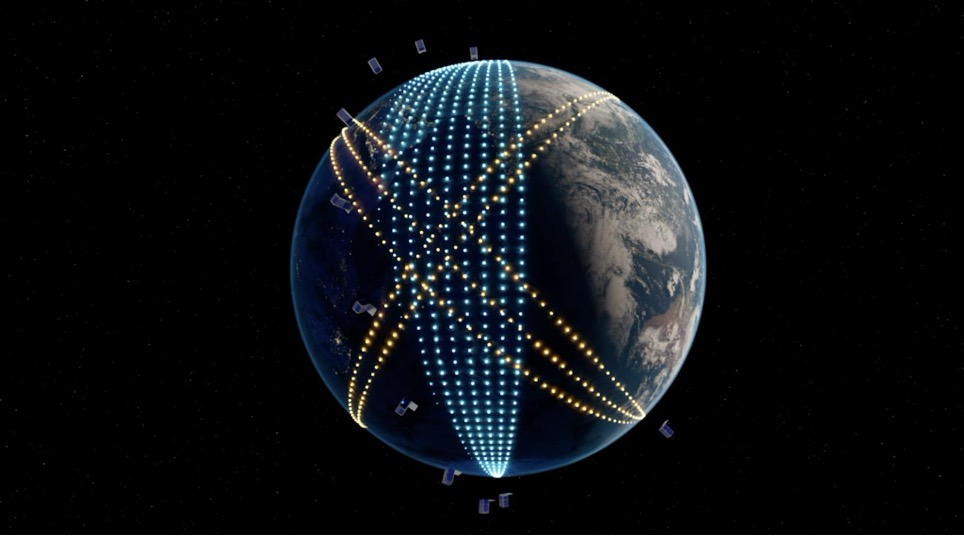
Sweden is also investing in satellite-based intelligence gathering.
Finnish company ICEYE specialises in synthetic aperture radar satellites, which can produce images in darkness and through cloud cover.
American company Planet Labs provides optical Earth observation capabilities.
Together, radar and optical imagery can improve military surveillance, target identification and the assessment of battlefield damage.
For Sweden, such capabilities also complement the planned acquisition of HIMARS, providing information about targets at long distances. The government intends to acquire roughly ten additional satellites as part of its expanding space programme.
Danish Drones Ordered in August
On 19 August, FMV announced the acquisition of a combined reconnaissance and strike system from Denmark’s Nordic Wing.
The system combines the Astero reconnaissance drone with the Raptor 2 loitering munition.
Astero detects and identifies targets. Raptor 2 can subsequently engage them.
The procurement includes control stations, communications systems, simulators and maintenance equipment. Deliveries are scheduled for 2027, although the contract value has not been disclosed.
Submarines, Unmanned Vessels and Nordic Tracked Vehicles
Several smaller contracts demonstrate how widely Sweden’s procurement programme now extends.
In June, FMV ordered Sonobot 5 unmanned surface vessels, supplied through BUVI Scandinavia and manufactured by Germany’s EvoLogics.
The contract is worth SEK 43 million (€3.86 million), including options.
The craft are designed to survey waterways and produce detailed three-dimensional images of riverbeds or seabeds before military engineers establish floating bridges.
On 16 October, Saab, FMV and the Swedish Armed Forces announced the successful completion of the first development phase of a large uncrewed underwater vehicle.
The programme was commissioned in 2025, but its first successful sea trials were completed this year. The demonstrator could eventually support underwater surveillance and operations alongside conventional submarines.
Finland’s Patria Supplies TrackX
On 30 September, Sweden signed a contract for five Patria TrackX tracked vehicles for testing and evaluation.
Finland is also acquiring TrackX vehicles, with the countries planning to cooperate during trials beginning in 2027.
The initial Swedish order is relatively small, but it creates an opportunity for further Nordic cooperation in tracked military mobility.
€135 Million Framework for NATO-compatible Command Systems
On 26 June, FMV signed a seven-year framework agreement with Swedish company MilDef worth SEK 1.5 billion (€135 million).
The agreement covers software, hardware and systems integration to improve communications and coordination between Swedish military units and NATO allies.
The first licence order was placed when the framework was signed. Further orders can follow.
The full framework value represents potential expenditure over seven years. These smaller programmes illustrate the extent of Sweden’s military modernisation. New weapons require equally substantial investments in communications, logistics, surveillance and the infrastructure that allows different systems to work together.
The Biggest Deal Still to Come: CV90 MkIV
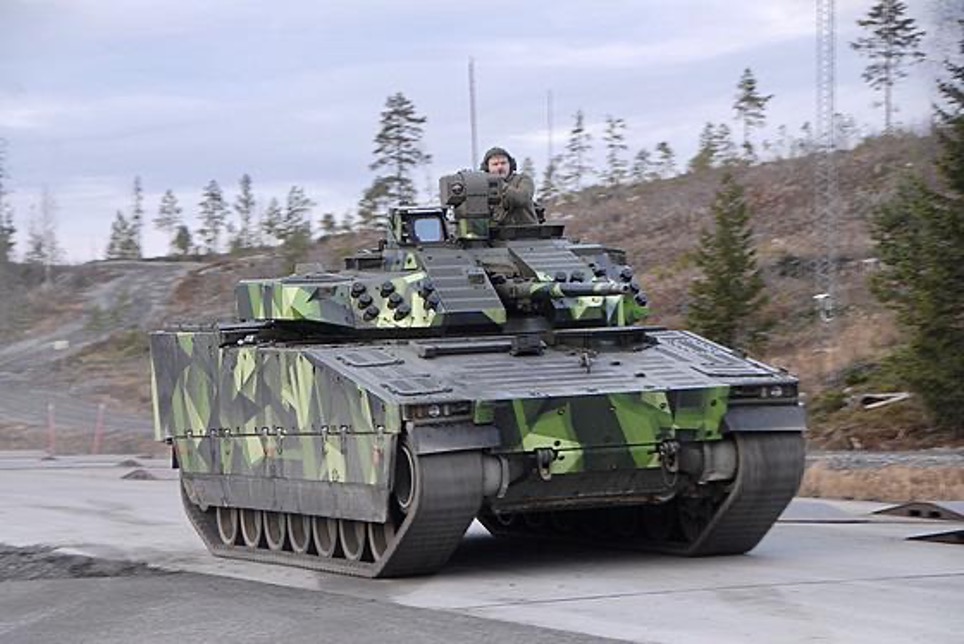
The largest outstanding Swedish-led weapons programme is the planned multinational acquisition of CV90 MkIV infantry fighting vehicles.
Five NATO countries are participating: Sweden, Finland, Norway, Lithuania and the Netherlands.
BAE Systems Hägglunds submitted its best and final offer in June 2026, with a contract expected before the end of the year.
The programme is expected to involve more than 400 vehicles, with deliveries planned to begin in 2028.
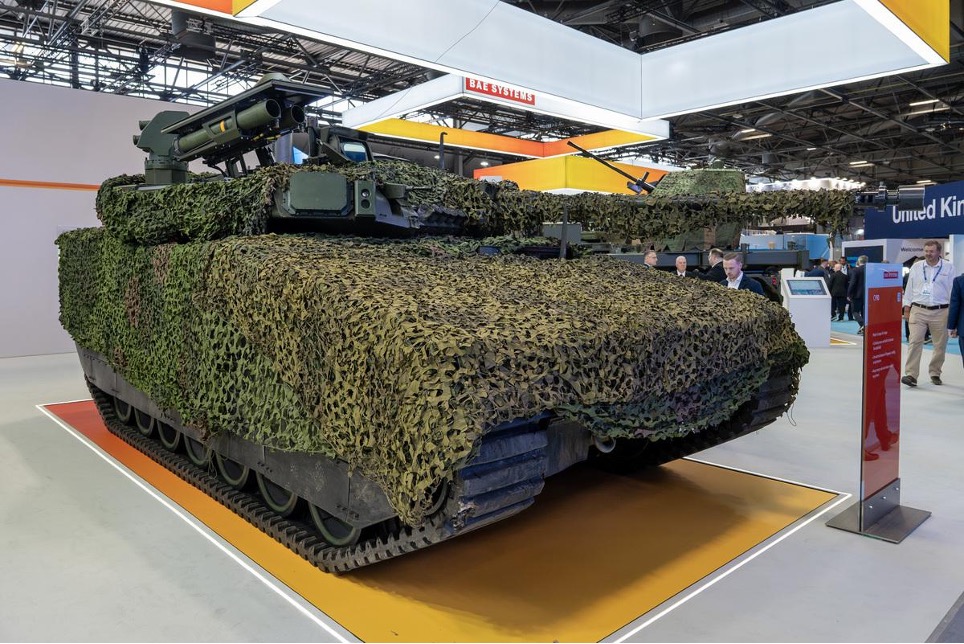
The CV90 is a tracked infantry fighting vehicle designed and manufactured by BAE Systems Hägglunds in Örnsköldsvik, Sweden.
It transports infantry into battle while providing armoured protection and substantial firepower.
Unlike a basic armoured personnel carrier, the CV90 is intended to operate alongside tanks and participate directly in combat.
Depending on configuration, it can carry automatic cannons, machine guns and anti-tank missiles.
The MkIV generation offers improvements to mobility, protection, sensors and digital systems. Its new electronics architecture also allows different weapons and communications equipment to be integrated more readily.
A Possible €3.14–5.38 billion Contract
The exact price of the multinational programme remains unpublished.
Earlier CV90 contracts provide a basis for estimating its potential value.
| Contract | Vehicles | Published value |
| Slovakia, 2022 | 152 | $1.37bn |
| Czech Republic, 2023 | 246 | $2.2bn |
| Denmark, Sweden and Ukraine, 2024 | 205 | Approximately SEK 25bn (€2.24bn) |
The earlier agreements imply a broad historical cost range, depending on equipment and support packages, of roughly SEK 90–120 million (€8.1–10.8 million) per vehicle.
For more than 400 vehicles, an illustrative contract value of SEK 35–60 billion (€3.14–5.38 billion) is plausible.
This is an analytical estimate, based on previous contracts, rather than a figure disclosed by the procurement authorities. It also represents the combined multinational programme. Sweden’s own share would be substantially smaller.
The programme could become one of the largest contracts in the history of Swedish armoured-vehicle manufacturing. It would provide Hägglunds with years of production and potentially require further expansion of its facilities and supplier network.
It would also strengthen military interoperability between the participating NATO countries. Common vehicles can simplify spare-parts procurement, maintenance, training and the development of operational procedures.
For Finland and Sweden, which are increasingly integrating their defence plans, a shared generation of infantry fighting vehicles could be particularly valuable.
The programme also demonstrates a change in European procurement practices. Rather than purchasing small national fleets with numerous differences, governments are attempting to coordinate requirements and combine demand to achieve industrial scale.
Swedish Exports: Another €4.22 Billion Submarine Deal and €2.21 Billion in Gripen Orders
Sweden’s domestic rearmament is occurring alongside extraordinary demand for Swedish-made weapons abroad.
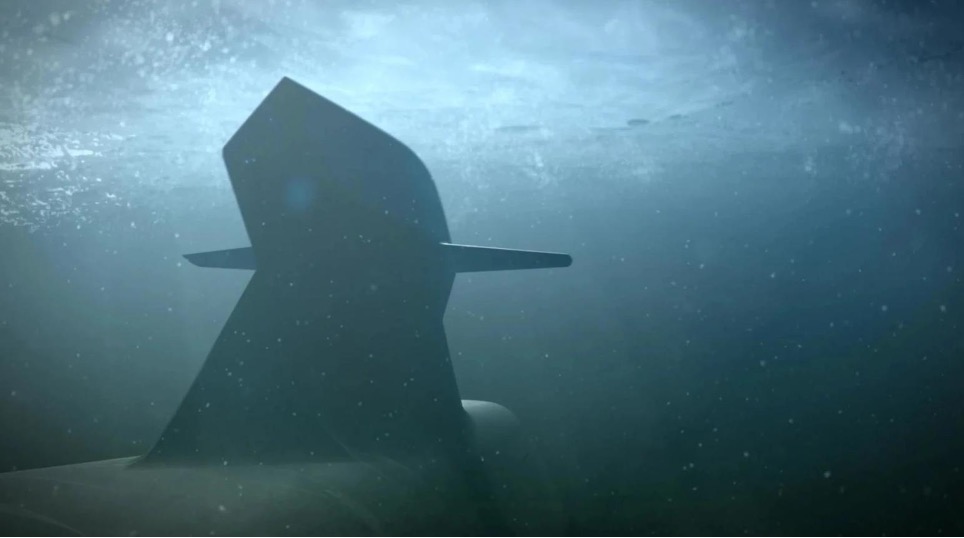
On 29 June, Saab signed a contract with Poland for three A26 submarines. The agreement is worth approximately SEK 47 billion (€4.22 billion), including weapons, training and support.
Deliveries will take place progressively, with the final submarine scheduled for 2038. The Polish purchase is almost identical in value to Sweden’s own new frigate contract. It is one of the largest export orders in Saab’s history and strengthens Sweden’s position as a major supplier of submarine technology. Saab reported second-quarter 2026 order bookings of SEK 68.4 billion (€6.14 billion), compared with SEK 28.4 billion (€2.55 billion) in the corresponding quarter of 2025. The Polish submarine contract accounted for a substantial share of the increase.
Gripen Fighters for Ukraine
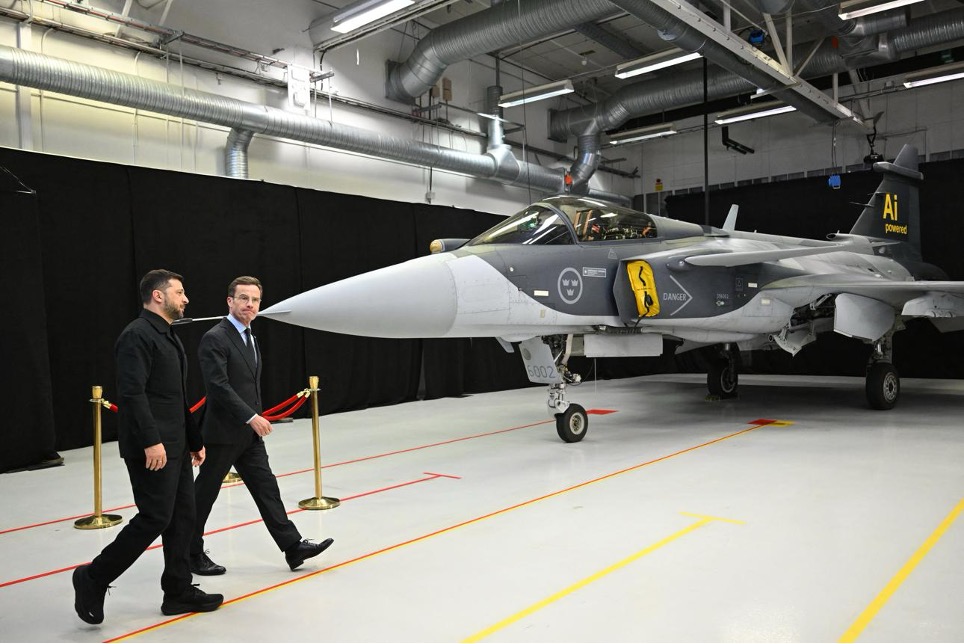
On 30 June, Saab signed an agreement with FMV for 16 Gripen E fighters intended for Ukraine. The contract is worth SEK 24.6 billion (€2.21 billion), including associated equipment and spare parts.
Deliveries are scheduled for 2029–2030. Sweden also intends to donate up to 16 Gripen C/D aircraft from its existing inventory and replace them with new aircraft for the Swedish Air Force.
The Ukrainian contract creates major new production work for Saab, while the replacement of donated Swedish aircraft will generate further domestic procurement requirements.
Finland Orders More Swedish Air Defence
Finland also placed an order with Saab in August for the RBS 70 NG short-range air-defence system.
The initial order is worth SEK 1.2 billion (€108 million).
RBS 70 NG uses laser-guided missiles to engage low-flying aircraft and other aerial targets. The latest generation incorporates improved target tracking and night-time capabilities.
Finland has operated earlier RBS 70 equipment since 2008. The new order strengthens an existing Finnish-Swedish defence-industrial relationship.
Sweden’s 2026 Defence Shopping List
The following table consolidates the most important Swedish procurement contracts and decisions identified so far this year. Signed contracts, authorised purchases and broader investment programmes are distinguished to avoid double-counting.
| Acquisition or programme | Swedish kronor | Euros | Status |
| Four FDI frigates | SEK 47bn | €4.22bn | Signed |
| GUTE II air defence | SEK 8.7bn | €781m | Signed |
| HIMARS rocket artillery | SEK 7bn | €628m | Authorised |
| Future fighter development | SEK 2.9bn | €260m | Awarded |
| Gripen flight-control computer | SEK 1.3bn | €117m | Awarded |
| Brigade air-defence radars and command systems | SEK 1.2bn | €108m | Awarded |
| Skorpion 2 initial order | SEK 900m | €80.8m | Ordered |
| Skorpion 2 full framework | SEK 4bn | €359m | Framework ceiling |
| MilDef command systems | SEK 1.5bn | €135m | Framework |
| Drones and military satellites | Over SEK 5.3bn | Over €476m | Investment programme |
| Sonobot 5 systems | SEK 43m | €3.86m | Contract including options |
| Five-nation CV90 MkIV | SEK 35–60bn | €3.14–5.38bn | Estimated, awaiting contract |
| Patria TrackX | Undisclosed | Undisclosed | Five trial vehicles ordered |
The five largest separately identifiable Swedish commitments in the table, comprising the frigates, GUTE II, HIMARS, future fighter development and Gripen computer, total approximately SEK 66.9 billion (€6.00 billion). The challenge for Stockholm is now to turn all these commitments into operational military capabilities at the speed required by Europe’s security environment.
Read More:
- Sveriges regering: Försvarsbudget
- Bank of Finland: Exchange rates
- FMV: FMV tecknar kontrakt om fyra nya fregatter
- FMV: FMV anskaffar raketartillerisystemet Himars
- FMV: FMV beställer svenskt luftvärnssystem
- Sveriges regering: Bred satsning på territoriellt luftvärn värd cirka 15 miljarder kronor
- Saab: Saab receives order for counter-unmanned aerial system from Sweden
- Saab: Saab receives order for ground-based air defence solution from Sweden
- BAE Systems: BAE Systems’ ARCHER mobile howitzers delivered to the Swedish armed forces
- BAE Systems: BAE Systems 2026 half year results
- EDR Magazine: Eurosatory 2026 – BAE Systems details its artillery programmes
- Latvian Ministry of Defence: Valdība lemj bruņoto spēku vajadzībām iegādāties Čehijā ražotas artilērijas sistēmas
- FMV: FMV beställer minkastarsystem för stridsvagnsminor
- Saab: Saab receives order from FMV for further work on future concept
- Saab: Saab receives order for new Gripen computer
- Saab: Saab presents first GlobalEye for Sweden
- Saab: Saab receives order for GlobalEye
- Sveriges regering: Över 5,3 miljarder kronor till bred drönar- och rymdförmåga
- FMV: FMV köper spanings-och patrullrobotsystem
- FMV: FMV beställer obemannad ytfarkost avsedd för fältarbetsrekognosering
- Saab: Saab, FMV and the Swedish Armed Forces launch uncrewed underwater vehicle
- FMV: Sverige köper det bandgående fordonet TrackX
- FMV: FMV tecknar avtal för Nato-interoperabla ledningsstödssystem
- Janes: Eurosatory 2026: BAE Systems Hägglunds makes best and final offer for CV90 MkIV Nordic initiative
- Saab: Saab får order på tre ubåtar till Polen
- FMV: FMV säljer Gripen E till Ukraina
- Saab: Saab signs contract for Gripen E for Ukraine
- Saab: Saab receives order for RBS 70 NG from Finland
- Saab: Saab Q2 results 2026: Strong order bookings reinforce market position