
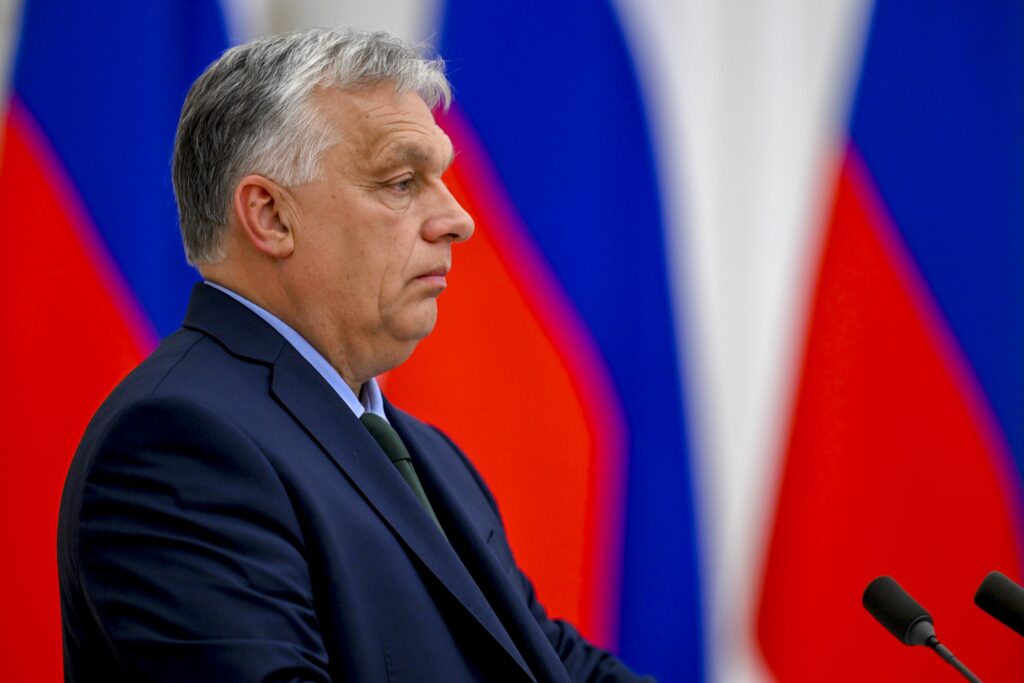
Hungary’s deepening ties with Russia, capped by a sweeping 12-point cooperation plan, are exposing widening fractures inside NATO and the EU just as the country heads into a pivotal election. With Western actors accusing one another of interference and Moscow quietly expanding its influence, the outcome in Budapest could shape both Hungary’s direction and the cohesion of the alliance itself.
The agreement, negotiated in December and now reported by multiple outlets, lays out an expansive framework for bilateral cooperation between Budapest and Moscow. Its scope is unusually broad. It spans energy, industry, agriculture, education, healthcare, and cultural exchange. It also includes more symbolic, but politically charged, elements such as Russian language teaching, academic cooperation, and even cultural programmes including sport and circus initiatives.
Individually, none of these sectors sits squarely inside NATO’s military remit. Taken together, they raise a different kind of question. The issue is no longer whether Hungary is formally aligned with the alliance, but whether its trajectory is drifting far enough to create strategic friction inside NATO’s core decision-making system.
Accusations of Interference
The political reaction to Hungary’s deepening ties with Russia has not produced a unified Western response. It has instead exposed a fragmented narrative, where all sides accuse one another of interference while Moscow quietly consolidates influence.
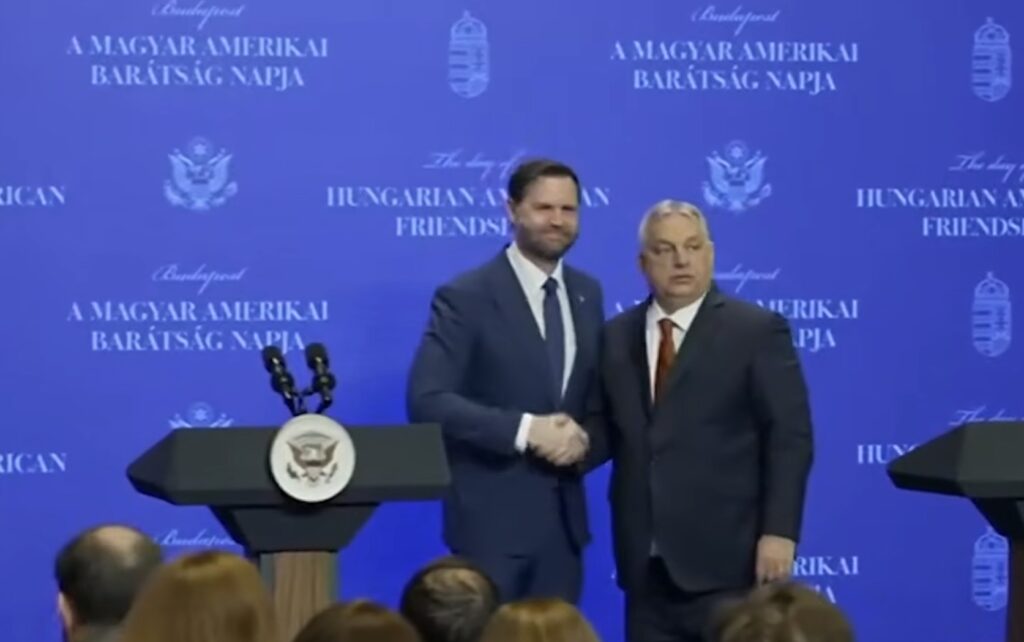
During his visit to Budapest, U.S. Vice President JD Vance, while promoting Prime Minister Viktor Orbán’s party just days before the Hungarian elections, accused the European Union of crossing a line in Hungary’s domestic politics as “one of the worst examples of foreign election interference”. He went further, criticising Ukrainian rhetoric towards Hungary’s leadership as “scandalous”.
These remarks were intended as a defence of Hungarian sovereignty. In European capitals, they were interpreted differently, as an intervention in an already sensitive electoral environment.
Brussels has responded more cautiously, but the tone remains pointed. An EU spokesperson, addressing the broader election context, emphasised the principle at stake: “Elections are strictly the citizens’ choice.”
European officials have described allegations of Hungarian engagement with Russia on sensitive matters as “very serious” and the European Commission called the allegations “greatly concerning”.
European Council President António Costa should exclude Hungary from sensitive discussions if Budapest fails to clarify alleged Russia leaks, former European Commission President José Manuel Barroso said. “Nothing prevents” EU member states from meeting without Hungary to discuss sensitive matters once trust is breached, Barroso told Europe Today.
Within NATO circles, the language is even more restrained. Officials reacting to reports of Hungarian contacts with Russia were described as “unsurprised”. It suggests that Hungary’s divergence is no longer seen as episodic but anticipated.
Moscow has seized on the moment. Kremlin spokesman Dmitry Peskov framed the situation as external pressure on a sovereign state, arguing that forces within the EU were attempting to influence Hungary’s election by supporting Orbán’s opponents.
The result is a strategic paradox: Washington accuses Brussels of interference, Brussels signals concern about Hungary’s Russia ties – and Moscow accuses the EU of manipulation while simultaneously deepening its own cooperation with Budapest through the 12-point agreement. For NATO, this complicates its internal coherence. NATO is built on consensus. Its effectiveness depends on shared threat perception, aligned political signalling, and trust between member states. Hungary’s approach under Orbán has increasingly diverged from that consensus, particularly in its framing of the war in Ukraine and its willingness to maintain active ties with Moscow.
Pipeline Scare Adds to Election Tension and Sabotage Fears
A new layer of uncertainty emerged after Serbian authorities discovered explosives near a gas pipeline supplying Russian gas to Hungary, just days before the election. Officials described the find as a suspected sabotage attempt rather than an actual attack, with no explosion reported.
Hungarian Prime Minister Viktor Orbán said there had been “an act of sabotage prepared”, while Serbian authorities confirmed the discovery of explosive devices close to the pipeline. Responsibility remains unclear. Hungarian officials hinted at possible Ukrainian involvement, a claim Kyiv rejected, suggesting a potential Russian false-flag operation.
Opposition figures questioned the timing, while analysts warned that even an unexecuted plot highlights a broader reality: energy infrastructure has become a contested domain in the wider confrontation surrounding Russia’s war in Ukraine, with both physical security and information narratives now part of the battlefield.
Serbia maintains one of the closest relationships with Moscow in Europe, combining deep historical ties with ongoing political, energy, and security cooperation. Belgrade has refused to join EU sanctions against Russia, continues to rely heavily on Russian gas, and preserves close leadership-level contacts between President Aleksandar Vučić and Vladimir Putin.
Analysts consistently describe Serbia as pursuing a “balancing act” between the EU and Russia, but in practice, this has meant sustained strategic proximity to Moscow, including energy dependence, political coordination, and long-standing cultural and military links.
Serbia maintains a partnership with NATO through the Partnership for Peace (PfP) program, but maintains a strict policy of military neutrality and does not seek membership. Despite ongoing security cooperation, tensions remain high due to the 1999 NATO bombing of Yugoslavia and NATO’s support for Kosovo’s independence.
Leaked Kremlin hotline casts fresh shadow over Hungary’s election and NATO alignment
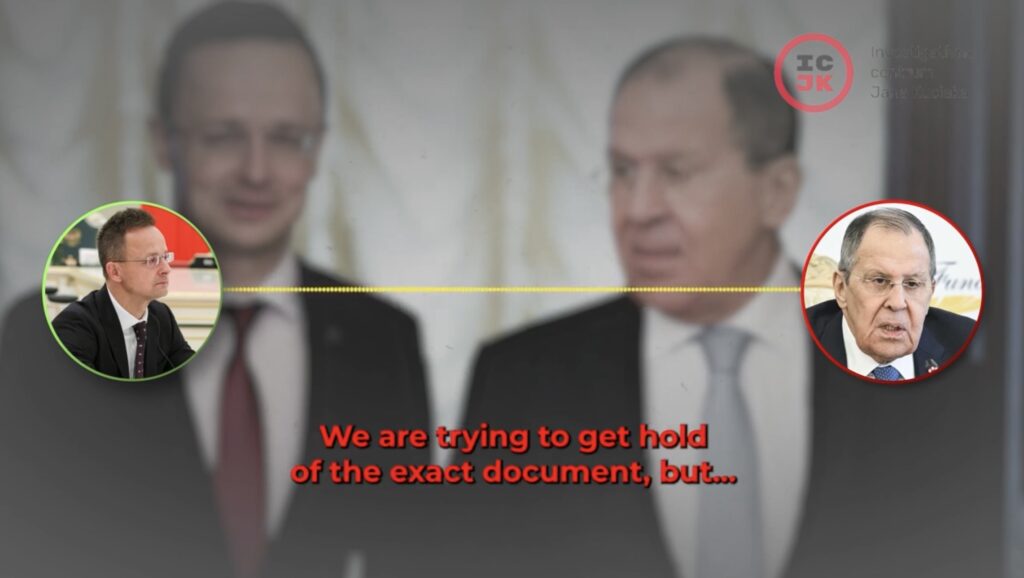
The publication of leaked phone calls between Hungarian foreign minister Péter Szijjártó and Russia’s Sergey Lavrov has added a sharper edge to already fraught concerns about Hungary’s reliability inside the EU and NATO, just days before a pivotal election.
Investigations led by VSquare and partners suggest that Budapest went well beyond rhetorical dissent, with recordings indicating that Szijjártó offered to share internal EU documents with Moscow and provided real-time briefings during high-level EU deliberations on Ukraine.
According to the leaked material, the Hungarian foreign minister stepped out of an EU summit to brief his Russian counterpart on internal divisions over Ukraine’s accession, and in separate exchanges offered to transmit sensitive documents via diplomatic channels.
The same pattern appears across multiple investigations. A joint OCCRP-led report describes a “hotline” dynamic in which Budapest shared strategic insights on sanctions policy and coordinated efforts to dilute or delay EU measures targeting Russian interests.
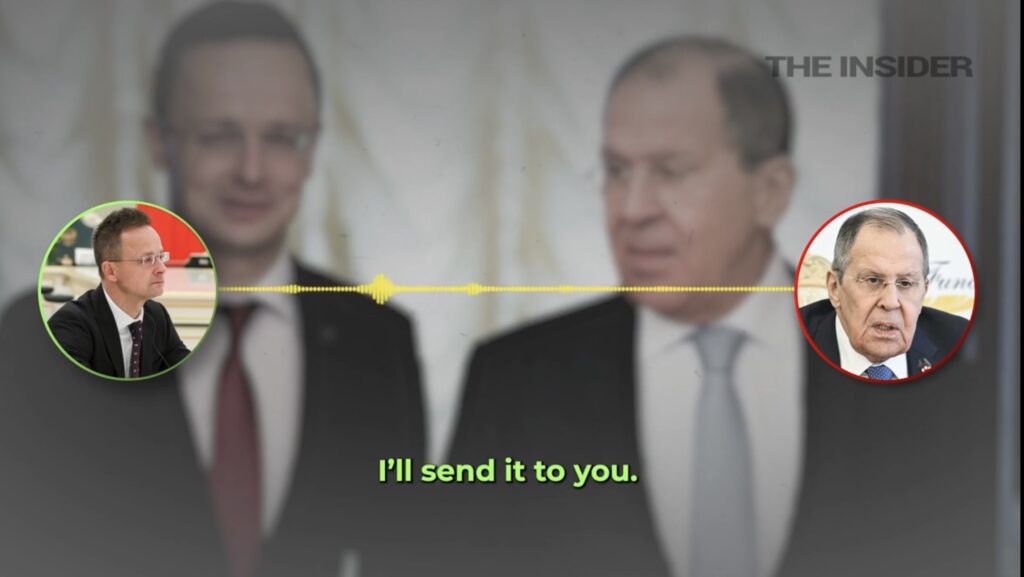
A separate leaked recording suggests Szijjártó even offered to send documents related to Ukraine’s EU bid directly to Moscow, reinforcing concerns that Hungary may have acted as an internal conduit for Russian positioning within EU decision-making.
Earlier transcripts add a political dimension. In one call, Szijjártó reportedly sought Moscow’s help in influencing a Slovak election outcome favourable to Hungary’s allies, underscoring how coordination with the Kremlin may extend beyond sanctions policy into regional political engineering.
For NATO planners, the implications are immediate. Trust, rather than formal treaty obligations, underpins alliance intelligence-sharing and operational coordination. If even parts of EU deliberations are perceived as vulnerable to leakage, the risk calculus shifts, particularly in areas such as Ukraine policy, sanctions enforcement, and forward defence planning in Eastern Europe.
Budapest, led by Viktor Orbán, has dismissed the recordings as politically motivated or the result of illegal surveillance. The government continues to frame its stance as pragmatic neutrality aimed at keeping Hungary out of the war in Ukraine.
Hungary’s Ukraine policy: Veto Power as Leverage Inside the EU
However, Hungary’s approach to Ukraine within the European Union has become one of the clearest fault lines in European policy since Russia’s full-scale invasion. Over the past two years, Budapest has repeatedly used its veto power to delay, dilute, or block financial and political support for Kyiv, often linking its position to national energy interests and broader disputes with Brussels.
The most consequential example came in early 2026, when Prime Minister Viktor Orbán refused to lift Hungary’s blockade on a €90 billion EU loan package intended to sustain Ukraine’s war effort. EU leaders reacted with open frustration. German Chancellor Friedrich Merz described the move as an act of “gross disloyalty”, while European Council President António Costa warned that “a deal is a deal” and must be honoured.
Budapest justified its position by tying financial support for Ukraine to the restoration of Russian oil flows through the Druzhba pipeline, effectively linking EU strategic funding decisions to bilateral energy disputes. This was not an isolated incident. Hungary has also:
- Repeatedly delayed or complicated EU financial assistance packages to Ukraine
- Blocked or slowed steps related to Ukraine’s EU accession process
- Used veto threats as leverage in negotiations with Brussels
Hungary has exercised the EU veto more frequently than any other member state in recent years, turning unanimity rules into a tool of political bargaining, particularly on Ukraine-related decisions.
In some cases, the linkage has been explicit. EU diplomats have warned that Hungary’s obstruction of Ukraine funding risks violating the principle of “loyal cooperation”, with one official noting the difficulty of approving EU funds for Budapest while it blocks support for a country “fighting Russia”.
The cumulative effect has been to place Hungary in a distinct position within the EU. While all member states formally support Ukraine, Hungary has pursued a parallel line, questioning sanctions, resisting financial commitments, and framing the war in terms that diverge from the broader European consensus. Orbán himself has argued that EU policies risk prolonging the war, rather than ending it. In defence and strategic matters, Hungary’s actions have slowed decision-making on critical funding, introduced uncertainty into EU and NATO coordination, and highlighted the structural vulnerability of unanimity-based systems.
Russian Oil, Gas, and Nuclear
At the centre of the new agreement between Budapest and Moscow lies energy. Hungary has long resisted the EU’s push to sever dependence on Russian oil, gas, and nuclear inputs. The new framework deepens that relationship. It opens the door to expanded cooperation not only in hydrocarbons, but also in electricity systems and potentially hydrogen. For NATO planners, energy is not a peripheral issue. It is the backbone of military readiness, industrial capacity, and societal resilience. A member state structurally tied to Russian energy flows introduces a vulnerability that is not easily mitigated by alliance planning alone.
The timing sharpens the concern. Hungary is heading into a high-stakes election, one that could reshape its political direction after sixteen years of rule by Prime Minister Viktor Orbán. The disclosure of the Russia agreement has already triggered domestic backlash, with opposition figures framing it as a strategic betrayal. The 12-point plan does not break NATO rules. Hungary remains within the alliance, participates in its structures, and formally supports its strategic framework. The challenge lies elsewhere. It lies in the gradual accumulation of policy choices that, taken together, shift Hungary from being an outlier to becoming a structural variable in alliance risk calculations.
If Budapest Turns: election stakes for NATO and Russia ties
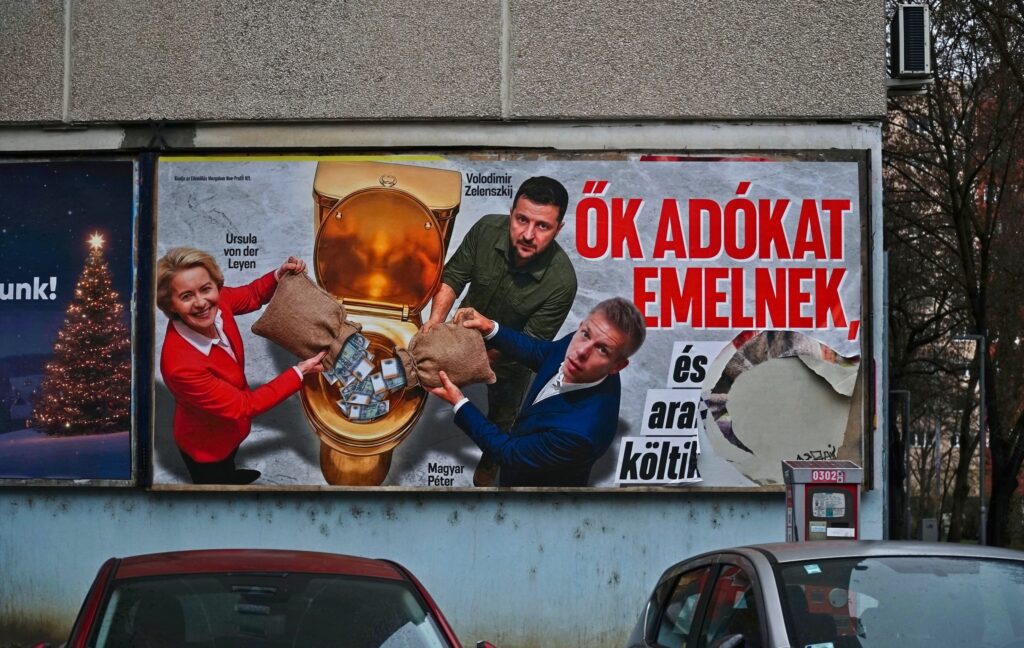
What are the foreseeable consequences of Hungary’s election? Will the country continue along its current path of strategic divergence, or begin to realign with the broader Western consensus on Russia and Ukraine?
The opposition, led by Péter Magyar, has positioned itself explicitly against the current government’s Russia policy. Magyar has described the recently revealed cooperation framework with Moscow as a betrayal, signalling that a change in government would at minimum trigger a political reassessment of Hungary’s engagement with Russia. His broader platform points towards closer alignment with EU and NATO policy, including support for Ukraine and a reduction in Hungary’s role as a blocker of joint decisions.
For NATO, Hungary would remain bound by existing commitments, but its behaviour inside the alliance could change quickly. A government more aligned with the EU and NATO would likely ease friction in consensus-based decision-making, reduce delays in EU-linked financial support to Ukraine, and restore a degree of predictability in alliance signalling towards Moscow.
Yet the deeper layers of the Hungary–Russia relationship are not easily unwound. Energy remains the central constraint. Hungary’s dependence on Russian oil, gas, and nuclear cooperation creates long-term structural ties that cannot be reversed without economic cost. Agreements linked to supply infrastructure and nuclear development embed that relationship beyond the lifespan of a single government.
The same applies, to a lesser extent, to elements of the 12-point cooperation plan. Initiatives in education, cultural exchange, and institutional cooperation could be scaled back or deprioritised, but not necessarily terminated outright without political and administrative consequences. In practice, any new government would face a choice between rapid political realignment, carrying economic risk, or a more gradual recalibration that maintains certain ties while shifting strategic direction.
Formally, the agreement with Russia could be suspended or renegotiated. Politically, the more plausible outcome would be a selective rollback. Sensitive sectors could be curtailed, new projects halted, and existing cooperation reframed. A full reversal would depend on contractual obligations, energy security considerations, and the domestic political capital available to a new administration.
For NATO, the key question is how far Hungary’s relationship with Russia shapes its behaviour within the alliance. A change in government would likely reduce Hungary’s role as a source of friction, improve confidence in coordination and intelligence-sharing, and align Budapest more closely with collective deterrence policy. At the same time, structural dependencies would remain, and Hungary would continue to feature in alliance resilience calculations. The election outcome, in that sense, is a signal rather than a switch. Continuity would confirm an entrenched divergence within NATO and the EU. Change would indicate a shift back towards alignment, even if gradual and constrained by economic realities.
Read More:
- The Moscow Times / Politico: Hungary and Russia Agreed to Strengthen Economic and Cultural Ties in December Cooperation Plan
- TVP World: Hungary 12-point cooperation plan with Russia spans energy, culture and sports
- United24 Media: Hungary signed secret cooperation plan with Russia expanding ties across key sectors
- Euromaidan Press: Leaked documents show Hungary agreed to Russian teachers, energy deals, and circus cooperation with Moscow
- Chatham House: Can Viktor Orbán lose Hungary’s high-stakes election?
- European Council: EU sanctions against Russia
- Reuters: EU leaders vent anger after Hungary’s Orbán keeps blocking Ukraine loan
- Euronews: Hungary’s opposition to €90bn Ukraine package and EU veto dynamics
- European Pravda / RMF24: EU stalls Hungary rearmament loan over Ukraine veto
- Reuters (live coverage): No breakthrough on Hungary veto of EU loan to Ukraine
- The Loop (ECPR): Hungary’s veto on Ukraine’s EU accession
- Wikipedia / compiled sources: Viktor Orbán and EU–Ukraine policy positions
- Reuters: Russia says some in EU are helping election rivals of Hungary’s Orban
- Reuters: Vance hits out at ‘scandalous’ Zelenskiy comments
- The Guardian: JD Vance accuses EU of ‘interference’ in Hungary election
- The Guardian (live): EU to raise concerns over Vance intervention
- Euractiv: NATO ‘unsurprised’ over report Hungarian leaks to Russia
- Al Jazeera: EU calls allegations ‘very serious’
- Euronews: EU calls on Hungary to clarify ‘concerning’ reports of Russia leaks
- Euronews: European Council ‘should consider meeting without Hungary on sensitive matters,’ Barroso says
- The Guardian: Why US and Russia are backing Viktor Orbán
- VSquare: Kremlin hotline: how Hungary coordinates with Russia blocking Ukraine from the EU
- OCCRP: Hotline to the Kremlin: How Hungary colluded with Russia to weaken EU sanctions
- Reuters: Hungarian minister offered to send Russia EU document, leaked audio suggests
- EUobserver: Hungarian minister asked Moscow to help Slovak ally before election, leaked transcript suggests
- Euronews: New leaks reveal Szijjártó briefing Russia’s Lavrov on key EU summit
- The Moscow Times / Politico: Hungary and Russia Agreed to Strengthen Economic and Cultural Ties in December Cooperation Plan
- TVP World: Hungary 12-point cooperation plan with Russia spans energy, culture and sports
- United24 Media: Hungary signed secret cooperation plan with Russia expanding ties across key sectors
- Euromaidan Press: Leaked documents show Hungary agreed to Russian teachers, energy deals, and circus cooperation with Moscow
- Chatham House: Can Viktor Orbán lose Hungary’s high-stakes election?
- Reuters: EU leaders vent anger after Hungary’s Orbán keeps blocking Ukraine loan
- Euronews: Hungary’s veto politics and Ukraine funding disputes
- European Pravda: EU tensions over Hungary’s Ukraine stance
- Reuters: Russia says some in EU are helping election rivals of Hungary’s Orban
- The Guardian: JD Vance accuses EU of interference in Hungary election
- Euractiv: NATO ‘unsurprised’ over Hungarian leaks report
- NATO: Strategic Concept 2022
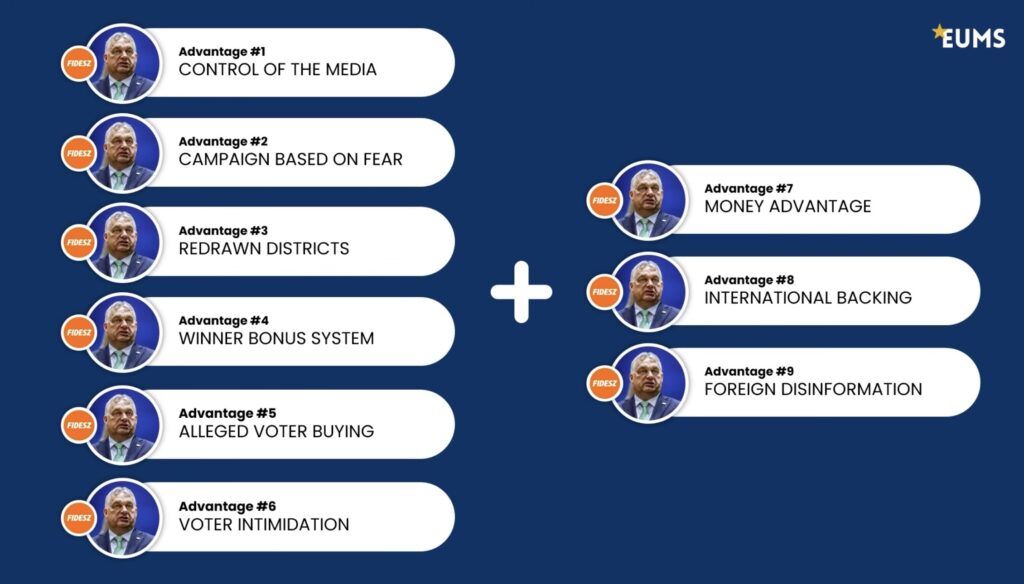
- EUMS: Why Orbán is Almost Impossible to Beat
- Reuters: Explosives found near pipeline that carries Russian gas to Hungary
- Euronews: Serbia investigates suspected sabotage plot near gas pipeline
- Radio Free Europe / Radio Liberty: Hungary inspects pipeline after explosives discovery
- The Guardian: Hungary election tensions rise after pipeline explosives discovery
- Reuters: Russia says some in EU are helping election rivals of Hungary’s Orban
- Partnership for Peace (PfP) program
- Reuters: Serbia’s Vučić thanks Putin for natural gas supplies
- Konrad-Adenauer-Stiftung: Serbian foreign policy in the wake of the war in Ukraine
- Council on Foreign Relations: Russia’s Influence in the Balkans
- Defence24: Russian-Serbian ties: secret services, economy and military
- Geopolitical Monitor: Russia–Serbia relations: true friends or pragmatic players?