NATO

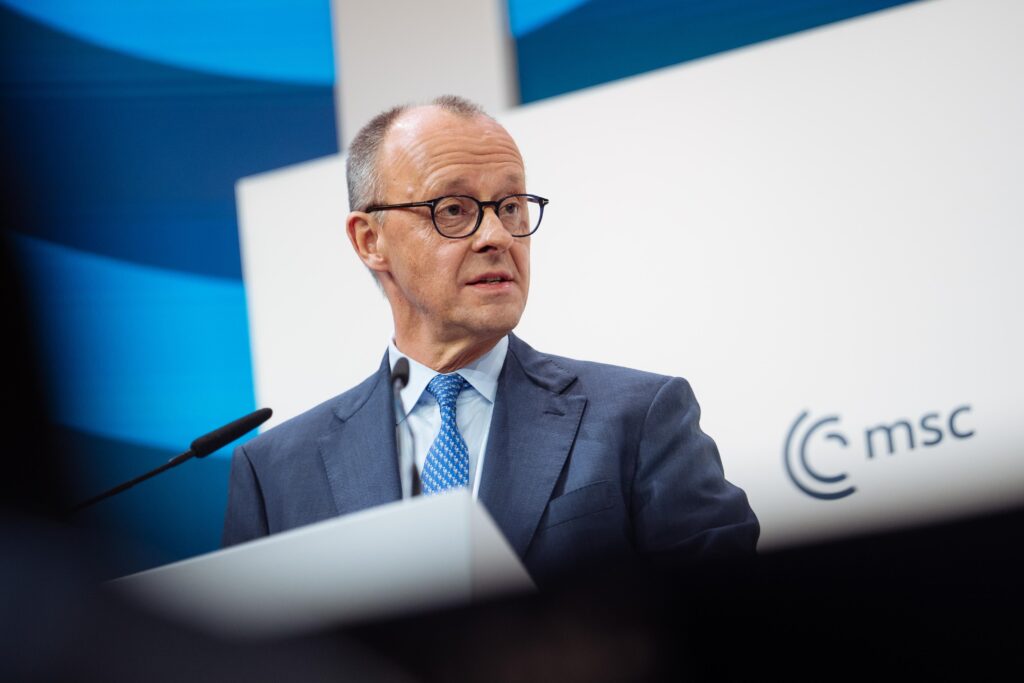
20260213 MSC, Munich Security Conference, Bayrischer Hof - Conference Hall: German Chancellor Friedrich Merz speaks at the 62nd Munich Security Conference. Standing at the podium, he delivers remarks on pressing international security issues, with the MSC logo visible in the background. Photo: Marc Conzelmann/MSC

“Diese Ordnung … gibt es so nicht mehr”: Merz Declares the Post-War World Order Dead and Munich Turns Into a NATO Stress Test

The 62nd Munich Security Conference opened in Munich on 13 February 2026 with a mood of damage inspection. In the gilded halls of the Bayerischer Hof, Germany’s chancellor declared the post-war order effectively over, Washington defended the alliance while attaching conditions, and Europe’s leaders quietly began planning for scenarios once considered unthinkable. What was once the anchor of transatlantic

“Diese Ordnung … gibt es so nicht mehr”: Merz Declares the Post-War World Order Dead and Munich Turns Into a NATO Stress Test Read More »

The Algorithmic Battlespace: How AI Is Rewriting the Rules of Influence

As leaders and security officials gathered in Munich, the most consequential shift in the information war was about the systems that decide what any of us sees in the first place. The latest analysis from NATO’s Strategic Communications Centre of Excellence argues that power is draining from narratives and pooling instead in algorithms, recommendation engines

The Algorithmic Battlespace: How AI Is Rewriting the Rules of Influence Read More »

GLOBAL Hotspots in 2026

Global Crisis Hotspots in 2026: Escalations from Venezuela to Taiwan

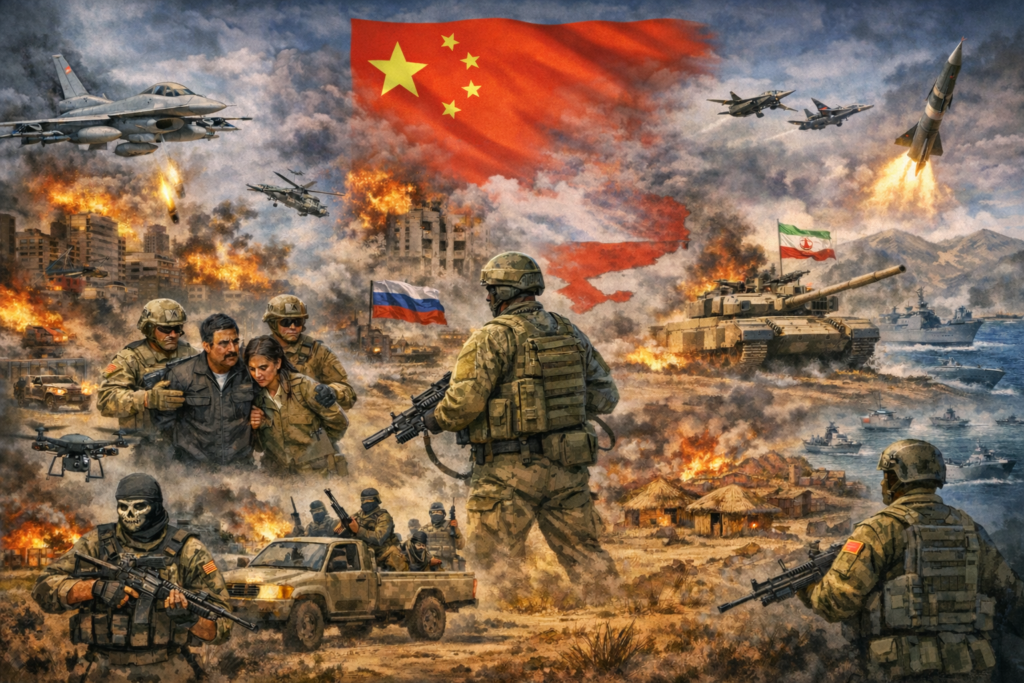
Major powers are behaving as if enforcement is optional. The US operation in Venezuela is the most dramatic illustration so far this year. China’s Taiwan drills are the most consequential rehearsal. Russia’s Ukraine campaign is the costliest grind. Together, they create a world where risk is not a forecast. Risk is a policy choice. Analysts

Global Crisis Hotspots in 2026: Escalations from Venezuela to Taiwan Read More »

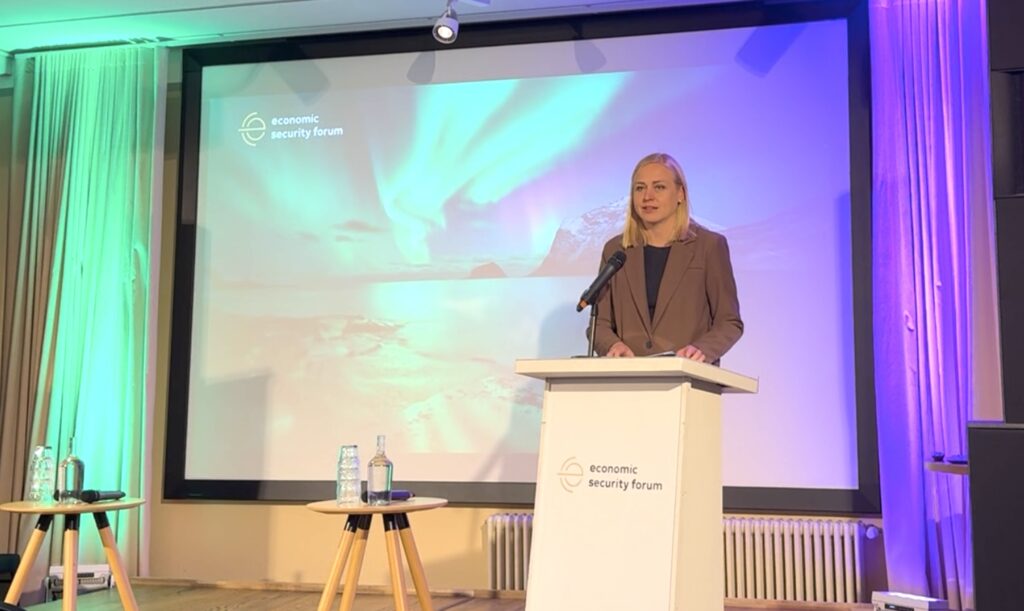
Finland’s Foreign Minister Elina Valtonen used the launch of the Nordic Economic Security Forum (NESF) in Helsinki to pitch a bold economic initiative for the Alliance: a free-trade zone covering the entirety of NATO.

Finland’s Foreign Minister Valtonen: NATO-Wide Free Trade Needed

Emphasising the recurring rise of geoeconomics, Finland’s Foreign Minister Elina Valtonen used the launch of the Nordic Economic Security Programme (NESPO) in Helsinki to pitch a bold economic initiative for the Alliance: a free-trade zone covering the entirety of NATO. Support for Ukraine will weigh on Nordic national budgets for years, if not decades —

Finland’s Foreign Minister Valtonen: NATO-Wide Free Trade Needed Read More »

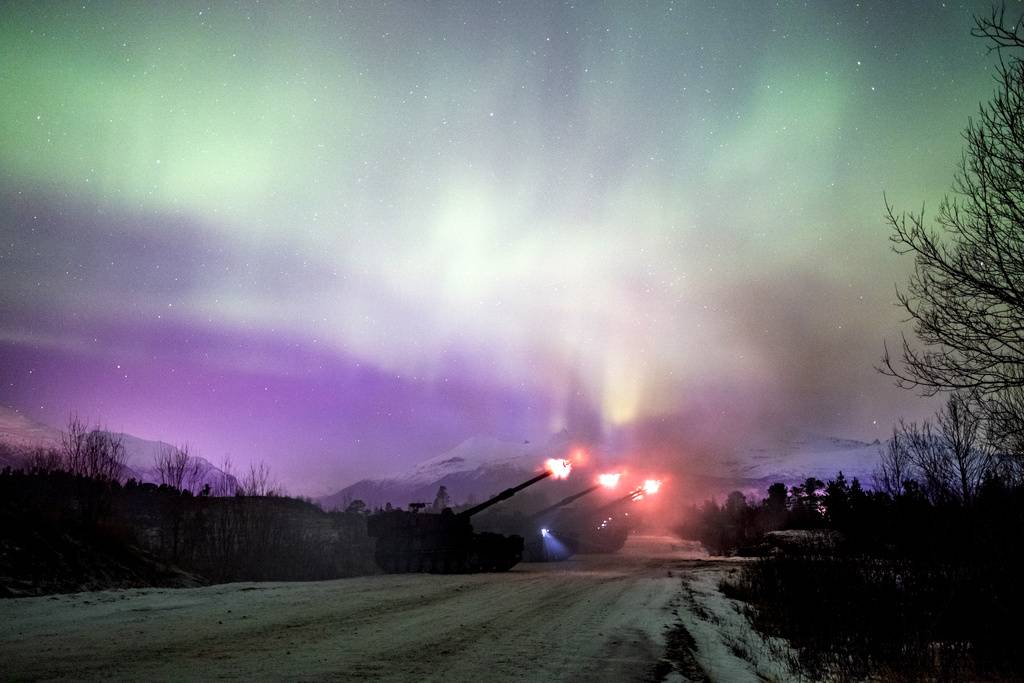
• K9 artillery guns from Battery Piraya in the Artillery Battalion, Brigade Nord, stand gathered under the Northern Lights in the Setermoen training area during an exercise in September 2022. (Image: Image: Forsvaret.no)

Norway’s Defence Surge: High North Tensions

Norway is undertaking a once-in-a-generation military modernisation. It is also strongly supporting Ukraine in its war against Russia. The hybrid warfare is increasingly probing the Nordic region – from drone disturbances at airports and undersea cable sabotage to relentless GPS jamming – forcing Norway and its neighbours to reassess their defences. Against Russian pressure, Oslo

Norway’s Defence Surge: High North Tensions Read More »

The 1975 Helsinki Conference Planted the Seeds of a Revolution in Eastern Europe

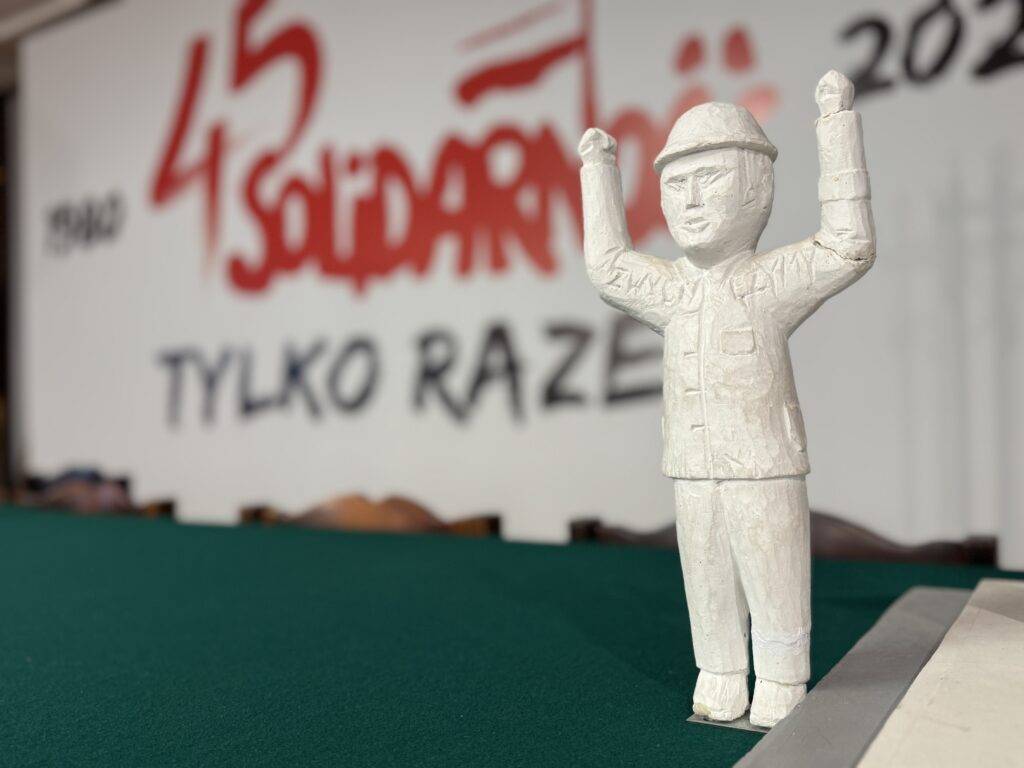
In the midst of Cold War détente, an unlikely diplomatic milestone took shape in Helsinki, Finland. From 30 July to 1 August 1975, 35 nations – every European country, except Albania, plus the United States and Canada – convened for the Conference on Security and Co-operation in Europe (CSCE). The most dramatic manifestation of the

The 1975 Helsinki Conference Planted the Seeds of a Revolution in Eastern Europe Read More »

×