
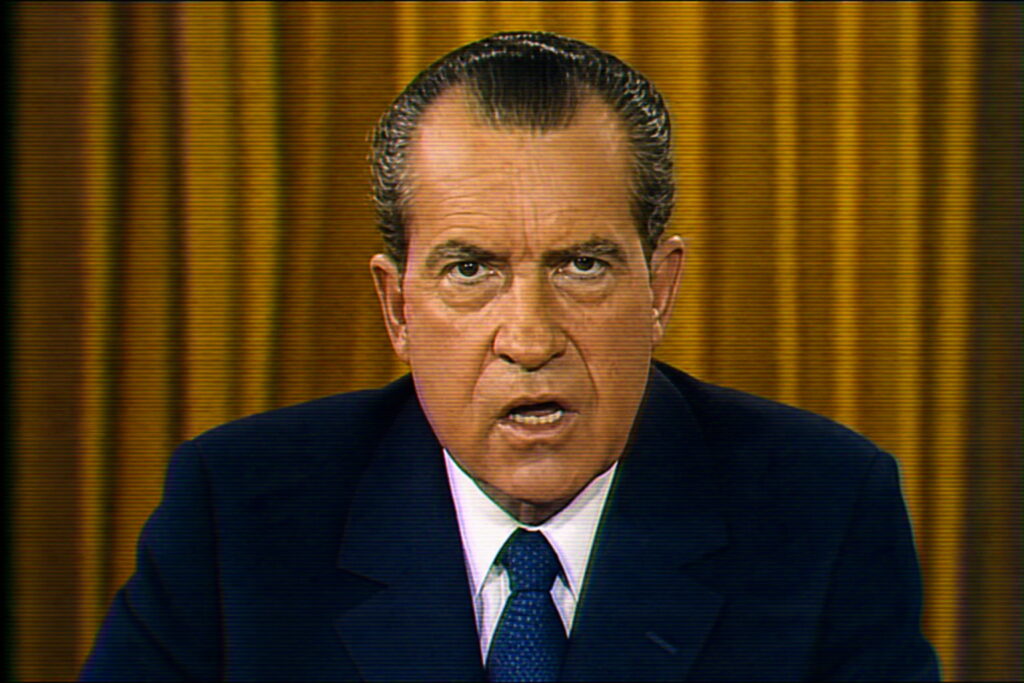
When power is uncertain, fear becomes a tool. From Richard Nixon to Kim Jong-un, Vladimir Putin and Donald Trump, leaders have tried to weaponize unpredictability, convincing adversaries they might act without restraint. Controlled risk can force concessions, but once the bluff is tested, the strategy either collapses or escalates beyond control.
The idea of the Madman strategy is to convince the opponent that you may act without restraint, force them to price in catastrophe, and extract concessions they would otherwise refuse. What looks like irrationality becomes a calculated signal. The Madman strategy sits at the edge of deterrence theory, somewhere between coercion and performance. Stanley Kubrick’s movie Dr Strangelove (1964), filmed soon after the Cuban missile crises, showed the nightmare version of the same logic: making adversaries believe the American president might be irrational enough to escalate, even towards nuclear war, unless they backed down.
Once leaders start performing madness as a strategy, the machine may stop caring whether the madness is real or staged. It has a long pedigree and has delivered tactical leverage. It has also repeatedly failed when tested.
Schelling’s logic: Risk as a Weapon
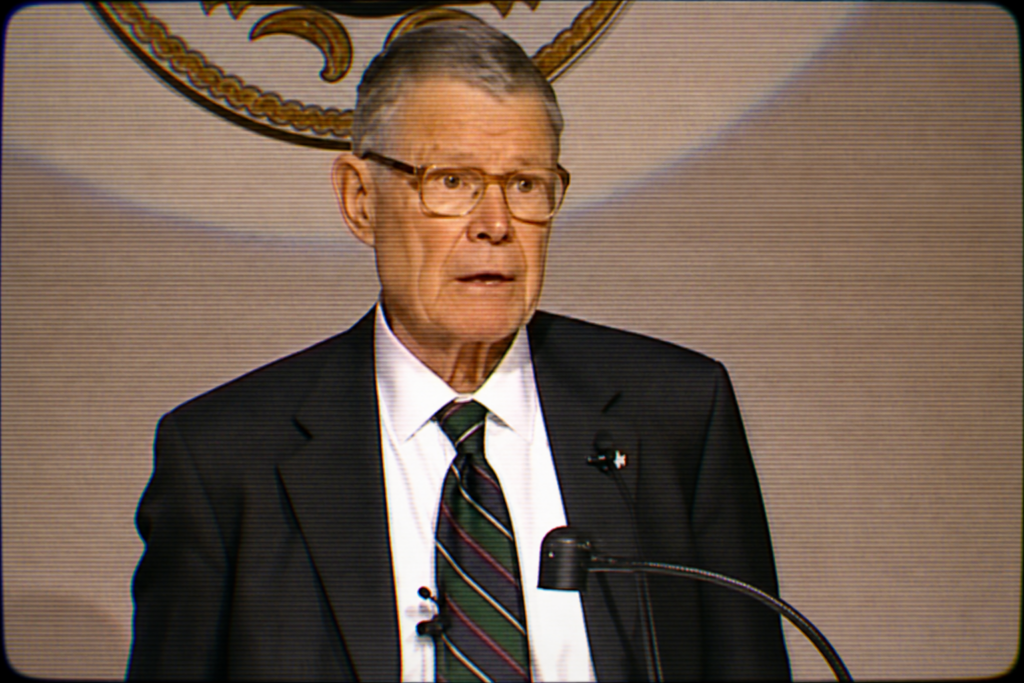
The intellectual foundation of this war game theory comes from Thomas Schelling (1921–2016), who was an American economist and professor of foreign policy, national security, nuclear strategy, and arms control at the School of Public Policy at the University of Maryland, College Park. Schelling served with the Marshall Plan in Europe, the White House, and the Executive Office of the President from 1948 to 1953. Schelling specialized in the application of game theory to cases in which adversaries must repeatedly interact, especially in international trade, treaties and conflicts. His core insight reshaped Cold War thinking. In nuclear crises, threats are not credible if they are fully rational. No leader can calmly promise mutual destruction. Credibility must instead come from risk.
Schelling won the Sveriges Riksbank Prize in Economic Sciences in Memory of Alfred Nobel in 2005, “for having enhanced our understanding of conflict and cooperation through game-theory analysis”. His formulation remains one of the most quoted lines in strategic studies:
“The threat that leaves something to chance is often more credible than a threat that is completely controlled.”
According to that logic, a leader creates a situation where events might spiral. The opponent is forced to consider not only intent, but loss of control. In game theory terms, this is the “burning bridges” move in a game of chicken.
RAND’s early Cold War work captured the same logic in plainer language. Established in 1945-1946 as Project RAND within the Douglas Aircraft Company before becoming an independent non-profit in 1948, the RAND organization applied scientific rigour to military planning. According ro RAND, coercion works when the opponent fears that events may “slip beyond deliberate control” even if that outcome is not desired. The Madman strategy is therefore not pure irrationality. It is staged uncertainty.
Nixon’s Experiment: Signalling Without Belief
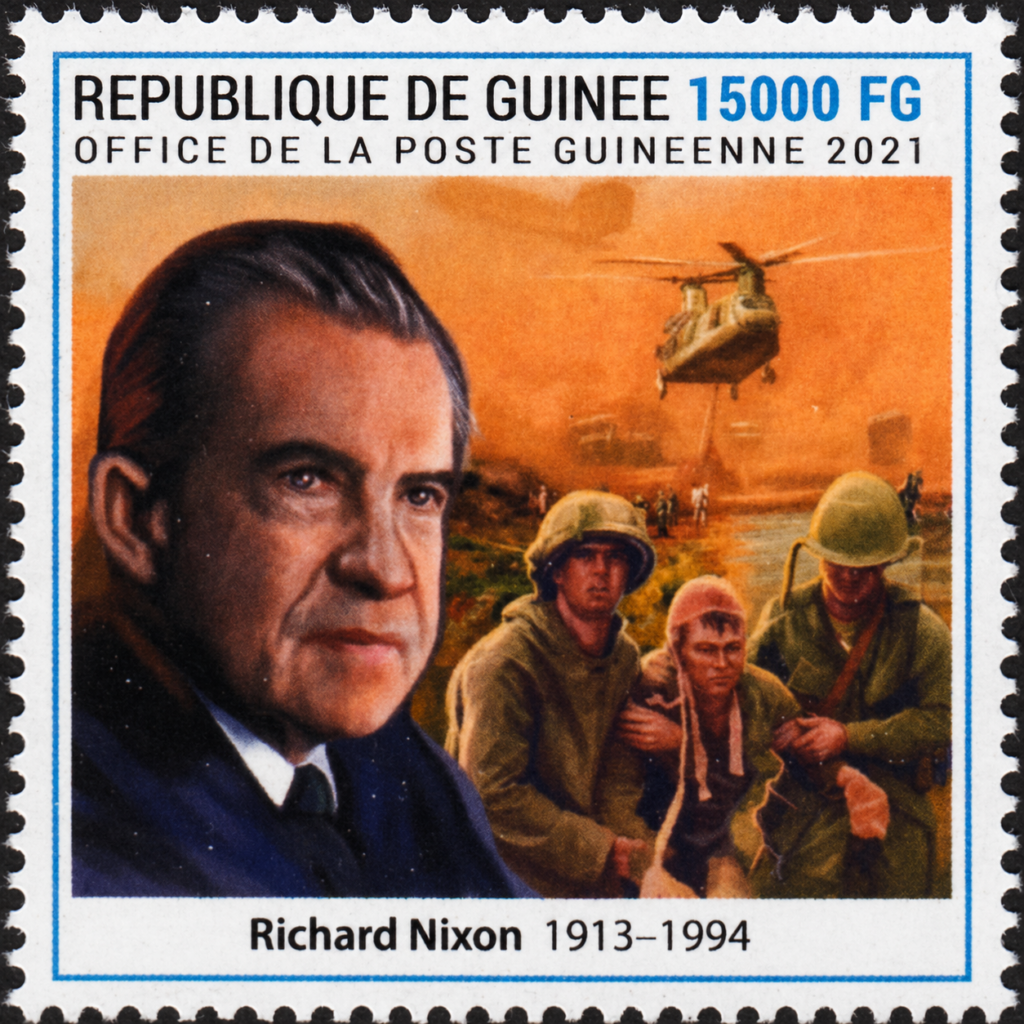
The modern archetype of this staged war game of chicken is Richard Nixon’s gamble in the Far East. In 1969, trapped in the Vietnam War, Nixon and Henry Kissinger attempted to weaponize unpredictability.
The plan was to convince Moscow that Washington might escalate uncontrollably, even to nuclear use, unless the Soviet Union pressured Hanoi.
Declassified documents show the intention in stark terms. Nixon wanted the North Vietnamese to believe that he had reached the point where he and the USA might do anything to stop the war.
Operation Giant Lance followed. Nuclear-armed B-52 bombers flew routes designed to be detected by Soviet radar. Strategic forces were placed on alert.
The Soviets noticed the signal but did not concede.
Scott Sagan’s analysis in International Security concludes that the operation increased risk without producing leverage. Sagan (b. 1950) is the Caroline S.G. Munro Professor of Political Science at Stanford University and co-director of Stanford’s Center for International Security and Cooperation (CISAC). He is one of the leading pessimist scholars about nuclear proliferation, best known for his research on nuclear weapons policy and nuclear disarmament, including discussions of system accidents, and has published widely on these subjects.
The Kremlin judged that US domestic constraints and alliance politics limited escalation. The signal lacked credibility.
This is the central failure mode. If the opponent believes the leader is constrained, the performance collapses.
Eisenhower and Korea: Ambiguity Inside a Broader Shift
A more contested case is Dwight D. Eisenhower at the end of the Korean War.
US officials deliberately allowed ambiguity over nuclear use during armistice negotiations in 1953. Chinese and North Korean forces faced intensified bombing and battlefield pressure. Some historians argue that nuclear ambiguity contributed to the final settlement.
Yet academic studies stress that Stalin’s death, Chinese war fatigue and the cost of continued fighting were decisive. The Madman nuclear signalling may have accelerated the outcome, but it did not create it.
Cuba 1962: Controlled Escalation Beats Theatrical Madness
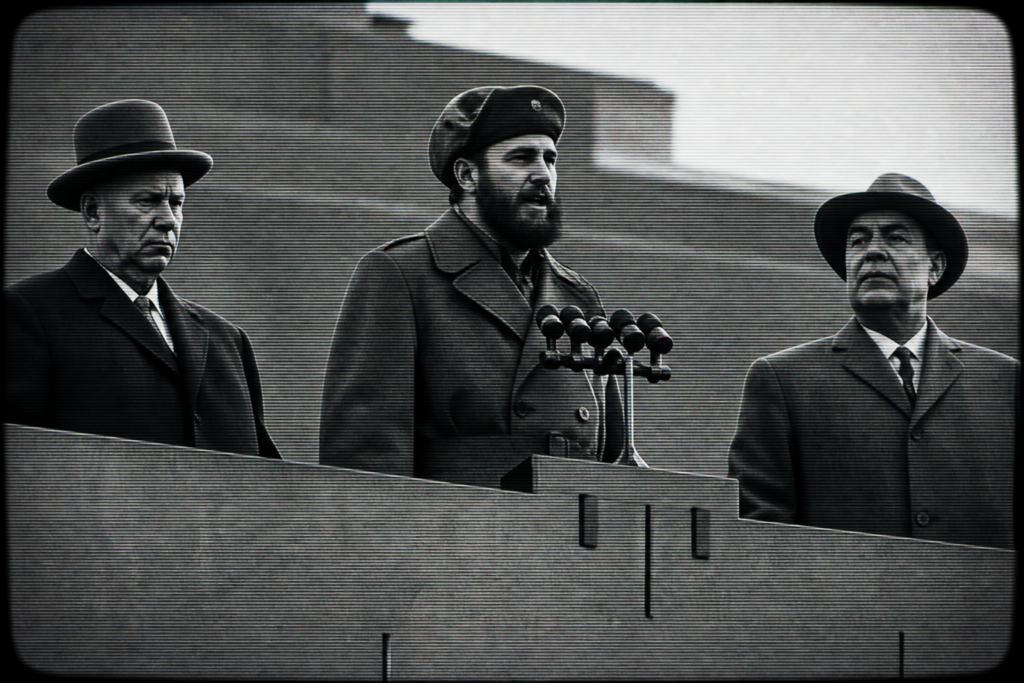
The Cuban Missile Crisis offers a different model. John F. Kennedy avoided overt irrationality. Instead, he applied controlled escalation.
A naval quarantine, back-channel diplomacy, and gradual pressure created a ladder of risk. The Soviet Union saw both danger and an exit.
This is the refined version of Schelling’s theory. The threat is credible because it is paired with control and a clear off-ramp. Pure unpredictability is weaker than disciplined brinkmanship.
North Korea: Institutionalised Unpredictability
Under Kim Jong-un, the North Korean unpredictability has become a state doctrine.
Missile tests timed to political cycles, abrupt diplomatic shifts, inflammatory rhetoric and pauses in escalation create a pattern. The regime has built a reputation for risk tolerance.
Academic work from the Nonproliferation Review describes this as “brinkmanship nuclear diplomacy”. The aim is not victory in a conventional sense. It is regime survival, deterrence and periodic concessions.
As a result, North Korea has forced engagement from stronger powers and secured its regime. It has also locked itself into isolation and economic weakness.
Repetition creates credibility. It also narrows strategic options.
Putin: Calibrated Ambiguity in Ukraine
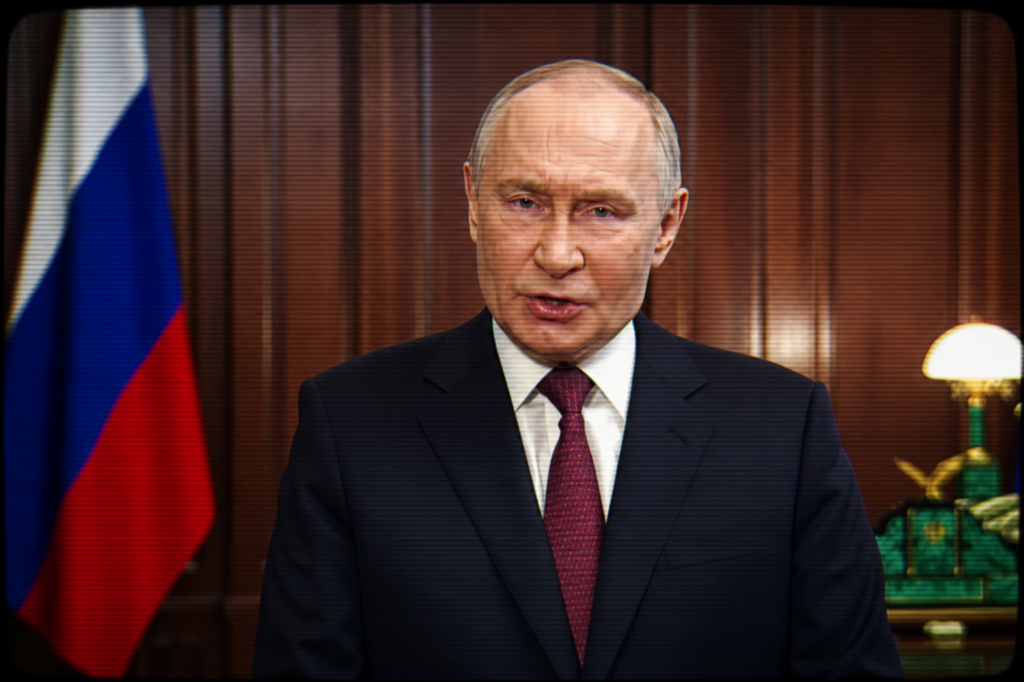
Though seemingly mindless, Russia’s tactics in Ukraine, especially around places like Bakhmut, follow a different logic than the Madman strategy. The so-called Meat Grinder approach relies on mass, attrition and tolerance for losses to wear down Ukrainian forces. It is grimly methodical and signals endurance rather than unpredictability.
There is, however, a narrow overlap. The Kremlin occasionally layers nuclear rhetoric and erratic signalling on top of conventional operations. That element echoes a Madman-style attempt to shape Western risk perception. Yet the battlefield method itself is not about feigned irrationality. It is about calculated sacrifice of manpower for incremental gains.
Statements about “all available means” and changes to nuclear doctrine aim to deter deeper Western involvement. The effect has been partial.
Analysis from the Finnish Institute of International Affairs describes Russian nuclear signalling as “diplomacy of violence”. It shapes behaviour at the margins. It does not decide outcomes.
NATO has avoided direct intervention. European allies have steadily increased military support to Ukraine. The deterrent effect is real but limited.
This is the equilibrium of the modern Madman strategy. It constrains, it does not compel.
Ancient Precedents: Terror as Credibility
Long before nuclear weapons, leaders understood the value of fear. The difference is that ancient strategies relied less on bluff.
Genghis Khan built a system of reputational terror. Cities that resisted were destroyed. Cities that surrendered were spared. The rule was consistent.
A Croatian military study notes that Mongol campaigns used “deliberate psychological warfare” to induce surrender before battle. The threat worked because it was repeatedly demonstrated.
Attila the Hun operated similarly. Roman sources describe cities surrendering in advance of his armies. The deterrent effect came from observed behaviour, not perceived irrationality.
Even earlier, Assyrian rulers institutionalised terror. Academic work from the University of Athens describes it as a tool of imperial governance. Violence was public, documented and strategic.
These cases differ from modern Madman theory. They rely on certainty, not ambiguity. They remove doubt about consequences.
Hannibal: Calculated Audacity, Not Madness
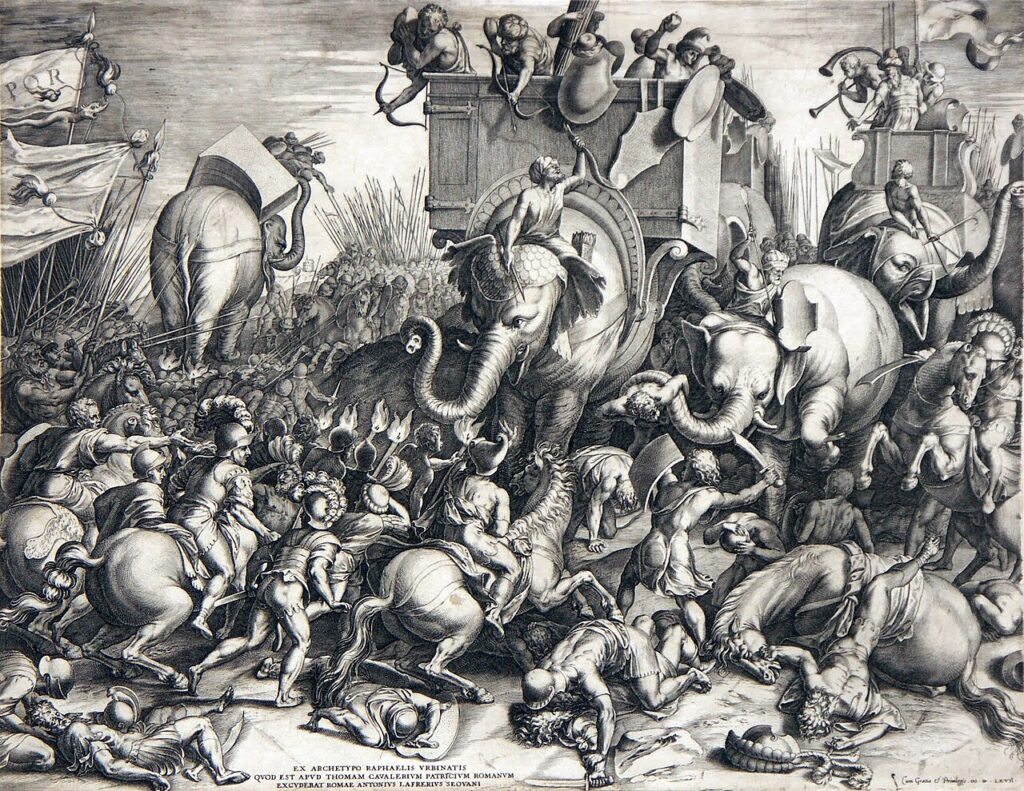
A more nuanced example is Hannibal in the Second Punic War. Hannibal (247–181/183 BC) was a Carthaginian general and statesman who commanded the forces of Carthage in their battle against the Roman Republic during the Second Punic War. He and his army crossed the Pyrenees first, moving from Iberia towards Gaul. But the famous march with the elephants into the Italian peninsula was the crossing of the Alps in 218 BC.
Crossing the Alps with elephants appeared irrational, but it was a calculated shock designed to destabilise Roman expectations.
The campaign demonstrates a related but distinct concept. Strategic surprise can look like madness to the opponent. Its effectiveness depends on the underlying logic.
Hannibal combined audacity with tactical brilliance. His Madman effect was incidental.
Game Theory: The Structure of the Bluff
The Madman strategy sits within coercive bargaining theory. Three mechanisms recur:
- Commitment: the leader reduces their own freedom to back down
- Risk manipulation: the probability of uncontrolled escalation increases
- Information asymmetry: the opponent cannot fully assess intent
In the classic chicken game, the winning move is to convince the opponent that you cannot or will not swerve.
Academic work in Security Studies refines this further. Not all “madness” is equal. Tactical unpredictability may help. Strategic incoherence damages credibility.
Where it works, where it doesn’t
The historical record shows narrow conditions for success.
- When the actor has a demonstrated willingness to accept risk, the signal carries weight. North Korea fits this pattern.
- When the opponent’s stakes are limited, concessions are possible without systemic loss. Smaller disputes are more susceptible to coercion.
- When escalation risks are asymmetric, the more risk-tolerant actor gains leverage.
Failure is more common and more dangerous.
- When the opponent doubts the threat, as in Vietnam, the strategy collapses.
- When mutual destruction is credible, escalation becomes self-deterring. Nuclear peers rarely compel each other.
- When unpredictability becomes routine, it loses shock value. The signal becomes noise.
The critical point is when the bluff is tested. Back down, and credibility erodes. Escalate, and costs may spiral. The leader becomes trapped by their own signal.
This is why Schelling’s game theory emphasises control. Risk must be increased, not unleashed.
Trump and Iran: Signalling at the Edge
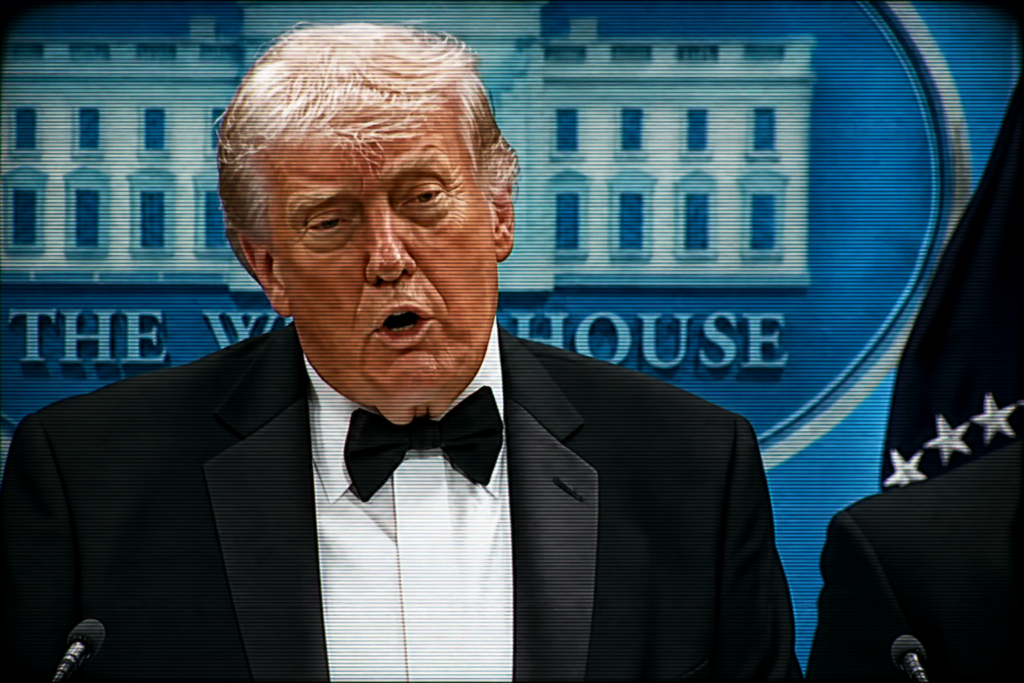
Donald Trump has expanded Madman-style signalling into a broad, multi-theatre posture that now spans Iran, Latin America and even allied territory, from Greenland to the Falkland Islands. The pattern is systemic.
The 2020 strike on Qasem Soleimani demonstrated a willingness to cross escalation thresholds that many assumed were fixed. The current Iran crisis has pushed this logic further with the assassination of Ali Khamenei, Iran’s supreme leader, in March 2026. Trump has ordered US forces to respond lethally to Iranian naval interference in the Strait of Hormuz, while simultaneously leaving room for negotiations over uranium and ceasefire terms.
At the same time, US planning has reportedly included options for direct operations inside Iran, including seizure of nuclear material, signalling readiness for escalation beyond limited strikes.
The signal is layered, from diplomacy to military action, deliberately left ambiguous. This approach is reinforced across other theatres.
In Venezuela, the United States has already crossed into direct intervention, capturing the country’s leadership and reshaping its oil sector under US pressure. In Cuba, Washington combines negotiations with explicit warnings of further pressure or even escalation, while hinting at regime change scenarios. Naval blockade logic has been applied across Iran, Venezuela and Cuba, using economic strangulation backed by implicit military force.
Even allies are drawn into the same signalling pattern. Trump has openly suggested the United States could act to secure Greenland “one way or another”, framing it as a strategic necessity tied to competition with Russia and China.
The effect is cumulative. Iran does not evaluate US behaviour in isolation. It observes a global pattern of coercion, intervention and abrupt policy shifts. That pattern is the signal.
At the same time, inconsistency introduces doubt. Reuters reporting notes that Trump’s centralised and shifting diplomacy, from Greenland to Ukraine, has created whiplash among allies, with threats and reversals occurring in rapid succession. This volatility cuts both ways. It raises perceived risk. It also suggests constraint, improvisation or domestic political limits.
If Tehran judges that Washington is willing to escalate rapidly and unpredictably, it may concede tactically, slowing its nuclear programme or reopening negotiations. If it judges that US behaviour is constrained or inconsistent, it will absorb pressure and wait.
Madman signalling can compress time, force engagement and reshape short-term calculations. It may win moments, but it rarely wins wars.
Read More:
- Online India: WW3 BREAKING: Putin Issues NUCLEAR WARNING Amid U.S.-Iran War Fears | Russia Will SAVE Iran?
- Reuters: Iran looking into Trump’s request for negotiations, foreign minister says
- Reuters: Trump discussed new Iran proposal with national security aides on Monday, White House says
- Associated Press: Iran offers to reopen Strait of Hormuz if US lifts its blockade and the war ends, officials say
- International Security: The Madman Nuclear Alert: Secrecy, Signaling, and Safety in October 1969
- National Security Archive: Nixon, Kissinger, and the Madman Strategy during Vietnam War
- RAND Corporation: The Threat That Leaves Something to Chance
- Oxford Research Encyclopedia of Politics: Coercive Diplomacy as Crisis Management
- Security Studies: Madman or Mad Genius? The International Benefits and Domestic Costs of the Madman Strategy
- British Journal of Political Science: Crazy Like a Fox? Are Leaders with Reputations for Madness More Successful at International Coercion?
- Finnish Institute of International Affairs: Nuclear deterrence in the Ukraine war: Diplomacy of violence
- Finnish Institute of International Affairs: Russia’s new nuclear doctrine: Yet another attempt to pressure Ukraine’s supporters
- The Nonproliferation Review: North Korea’s Strategy and Tactics in the US-DPRK Talks
- Ritsumeikan University: North Korea’s Strategy of “Brinkmanship Nuclear Diplomacy” and the Prospect of US-North Korean Relationship
- University of Athens: The Assyrian Empire: Terror Tactics as a Tool of Empire-Building
- Hrvatski studiji Sveučilišta u Zagrebu: Special Military Tactics Employed by the Mongols During Their 13th-Century Conquest
- Encyclopaedia Britannica: Second Punic War
- Reuters: Trump’s abrupt Iran reversal exposes limits of his leverage
- Reuters: The ‘madman theory’ of US-Iran negotiations: Ross Kerber
- Associated Press: US and Iran agree to 2-week ceasefire as Trump pulls back on threats
- U.S. Department of State, Office of the Historian: Foreign Relations of the United States, 1969–1976, Volume XXXIV, Document 59, Madman Theory
- U.S. Department of State, Office of the Historian: Foreign Relations of the United States, 1969–1976, Volume XXXIV, Document 83
- U.S. Department of State, Office of the Historian: Foreign Relations of the United States, 1969–1976, Volume VI, Document 129, Contingency Military Operations Against North Vietnam
- National Security Archive: Nixon, Kissinger, and the Madman Strategy during Vietnam War
- International Security: The Madman Nuclear Alert: Secrecy, Signaling, and Safety in October 1969
- RAND: The Threat That Leaves Something to Chance
- Security Studies: Revisiting the Madman Theory: Evaluating the Impact of Different Forms of Perceived Madness in Coercive Bargaining
- British Journal of Political Science: Crazy Like a Fox? Are Leaders with Reputations for Madness More Successful at International Coercion?
- Security Studies: Madman or Mad Genius? The International Benefits and Domestic Costs of the Madman Strategy
- U.S. National Park Service: Waging Peace: Eisenhower and the Korean War Armistice
- Royal United Services Institute: 60 years on, why should we care about the Korean War?
- Miller Center: Dwight D. Eisenhower: Foreign Affairs
- National Institute for Defense Studies: Compellence and Nuclear Weapons
- The Nonproliferation Review: North Korea’s Strategy and Tactics in the US-DPRK Talks
- Ritsumeikan University: North Korea’s Strategy of “Brinkmanship Nuclear Diplomacy” and the Prospect of US-North Korean Relationship
- University of Athens: The Assyrian Empire: Terror Tactics as a Tool of Empire-Building
- Hrvatski studiji Sveučilišta u Zagrebu: Special Military Tactics Employed by the Mongols During Their 13th-Century Conquest
- HistoryExtra: Attila The Hun: Who Was The “Scourge Of God” Who Terrorised The Romans?
- Encyclopaedia Britannica: Second Punic War
- YouTube: President Richard Nixon Address to the Nation on the War in Vietnam, November 3, 1969
- YouTube: President Nixon’s Cambodia Incursion Address
- Reuters: Iran must turn over enriched uranium, White House says
- Associated Press: Trump orders military to ‘shoot and kill’ Iranian small boats choking Strait of Hormuz
- Associated Press: Trump likes a naval blockade. But Iran presents big differences from Venezuela and Cuba
- Reuters: Trump says talks with Cuba ongoing, action possible after Iran
- Reuters: US may make a deal on Cuba, Trump says
- Reuters: Trump’s exercise of raw power upends world order
- Reuters: From Greenland to Ukraine, Trump’s centralized diplomacy creates whiplash among allies
- Associated Press: Rubio defends Trump on Venezuela while trying to allay fears about Greenland and NATO
- Foundation for Defense of Democracies / Wall Street Journal (via summary): Trump weighing military operation to extract uranium from Iran
- Wikipedia (compiled reporting): 2026 United States intervention in Venezuela