
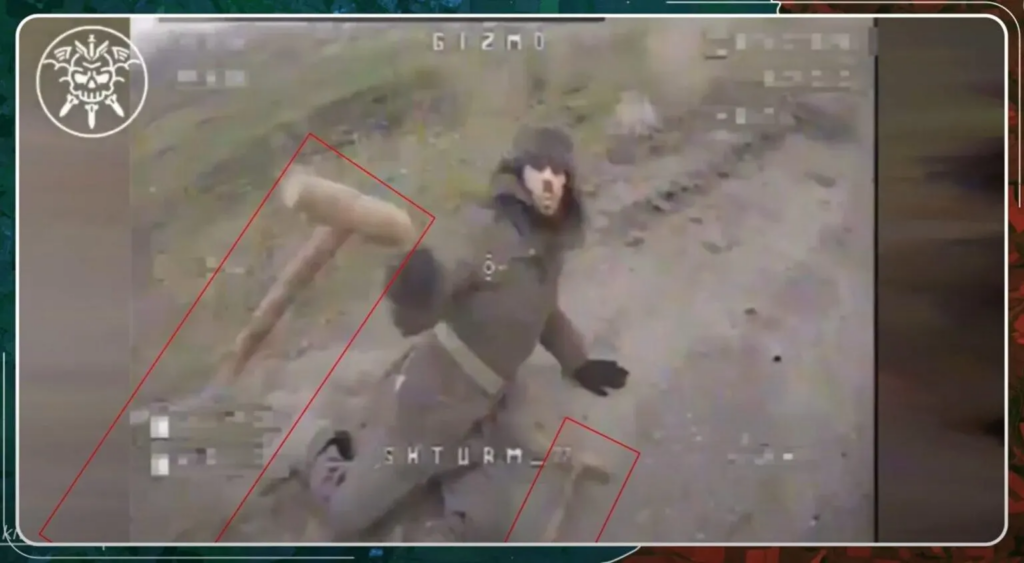
Russia’s war in Ukraine has entered a grinding, manpower-hungry phase. Evidence from independent Russian outlets, European reporting, and official assessments points to a clear pattern: men who should have been medically exempt, including those with physical illnesses, mental health conditions, and even intellectual disabilities, are being sent into the war. History shows that armies under strain often widen the pool to include the unfit.
Throughout the escalation of the Russia–Ukraine war, there have been repeated reports of disabled individuals being used in different ways on the battlefield, particularly by Russian forces. In 2022, the BBC reported, citing the UN, that disabled people had been used as human shields. More recently, multiple reports have pointed to the recruitment of medically unfit individuals, including men with physical and mental impairments, into the Russian army.
Putin’s mobilisation decree does not explicitly bar people with disabilities, and later statements said disabled individuals are not subject to mobilisation. What they do not address is those already mobilised who become disabled while in service.
There is compensation up to 3 million Rubles, given to soldiers for some injury, according to CNN. But crippled soldiers are sent back to the front to avoid paying money. “If someone goes missing, the family gets nothing”, an injured Russian soldier described in CNN’s report.
Standards have slipped, safeguards are being ignored, and pressure on recruitment is pulling in those who would normally be excluded. There have been similar reports from the Ukrainian side. Including reports from soldiers, they suggest that psychologically and physically unfit men have been drafted into the Ukrainian army, too. But unlike in Russia, one can make a complaint about human rights violations committed during mobilisation in Ukraine.
There are plenty of disabled soldiers in Russia. According to TVP World, Moscow plans to spend 100 billion rubbles (around €1 billion) on prosthetics in 2026 as its war against Ukraine drives up the number of Russians with disabilities.
Recruitment Expands into Vulnerable Groups
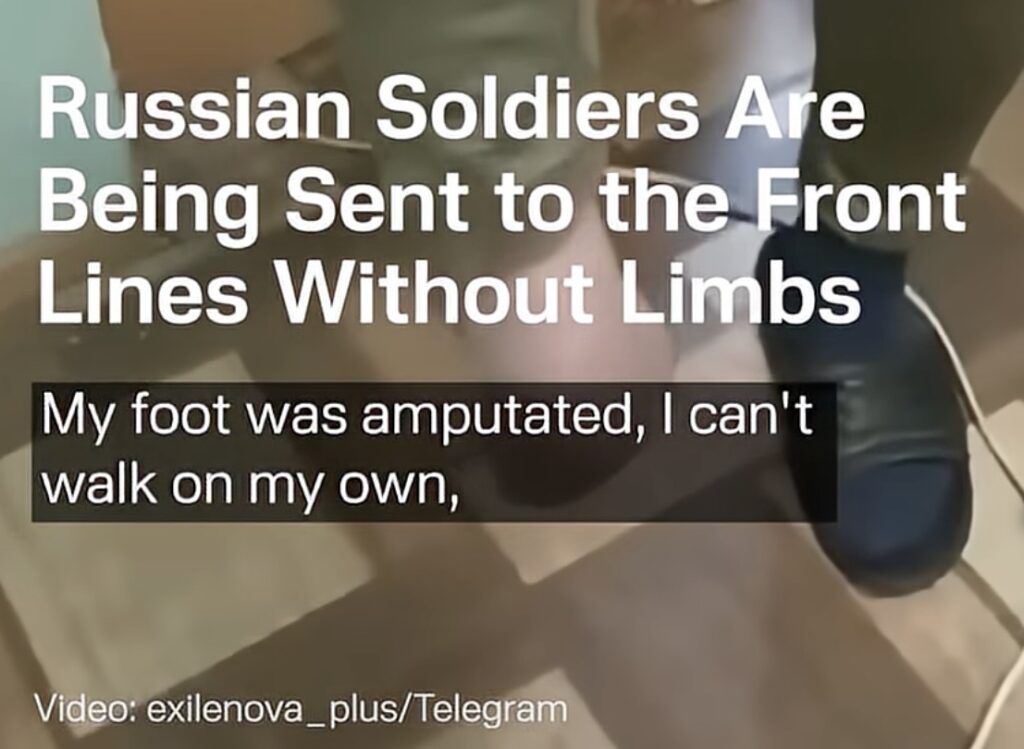
Multiple sources point to a widening recruitment net. French daily Le Monde reported in early 2026 that Russian authorities have expanded recruitment to include a wide spectrum of marginalised groups: prisoners, people with addictions, and individuals with mental health conditions. The report frames this as part of a broader mobilisation effort driven by battlefield losses and the need to sustain troop numbers.
Country reports compiled by European authorities reinforce the picture. A 2025 assessment by the Dutch Ministry of Foreign Affairs notes that medical exemption processes have weakened, with appeals increasingly ignored. Similarly, a Danish Immigration Service report describes a system where formal medical checks exist on paper but are undermined by inconsistent enforcement and corruption.
Scale and Intent Remain Unclear
The scale of this phenomenon is hard to pin down. Some Western and Ukrainian outlets, including The Telegraph and Kyiv Post, have reported that disabled or seriously ill men are being used as expendable manpower. These claims align with documented cases but often lack comprehensive data on how widespread the practice is.
What can be said with confidence is that the recruitment system has expanded into vulnerable populations, medical safeguards have been weakened or bypassed, and individual cases include clear examples of intellectual disability and severe impairment.
Russia is sustaining high casualty rates while avoiding full-scale general mobilisation. The result is a patchwork recruitment model that combines contract soldiers, prisoners, regional drives, and coercive or informal recruitment practices. Within such a system, the line between “eligible” and “unfit” becomes blurred, and vulnerable individuals are more easily drawn in.
Like the German Volkssturm and the American Project 100000
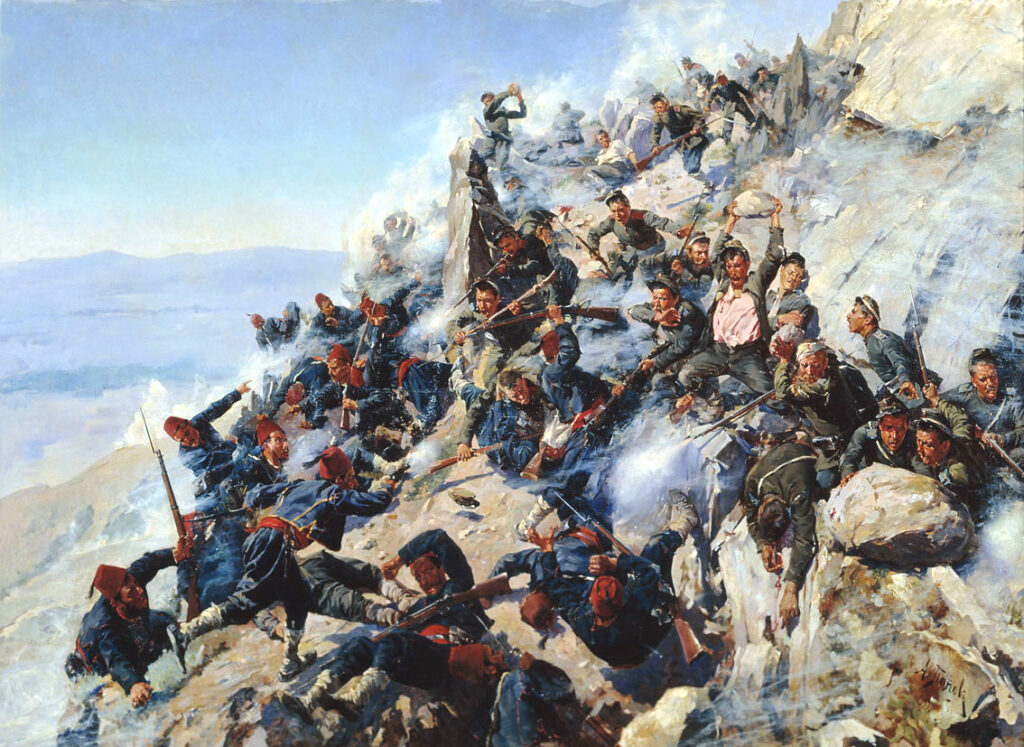
In Imperial Russia, attitudes towards disabled soldiers shifted sharply through three turning points. The 1874 conscription reform and the Russo-Turkish War forced the state to recognise responsibility for wounded veterans, introducing pensions, prosthetics, and organised care.
After the Russian Revolution of 1905 and the pressures leading into World War I, this evolved further into a selective welfare model, where disabled soldiers were prioritised over civilians as a matter of state obligation and military necessity.
In the Soviet Union, after the Russian Revolution, attitudes towards disabled soldiers shifted again during the early mobilisation of 1941–42. Faced with catastrophic losses, authorities accepted men who would previously have been rejected. Screening became inconsistent, and local officials prioritised numbers over fitness. Even so, those with severe disabilities were generally diverted to labour or rear roles rather than frontline combat.
The closest historical parallel to the current Russian army’s mobilisation comes from Nazi Germany in the final phase of the Second World War. By 1944–45, as defeat loomed, the regime mobilised the Volkssturm, drawing in elderly men, teenagers, and individuals previously considered unfit for service. Medical standards effectively collapsed. Yet even in this extreme case, systematic deployment of clearly intellectually disabled individuals is not well evidenced as policy, partly because the regime had earlier excluded and murdered many severely disabled people.
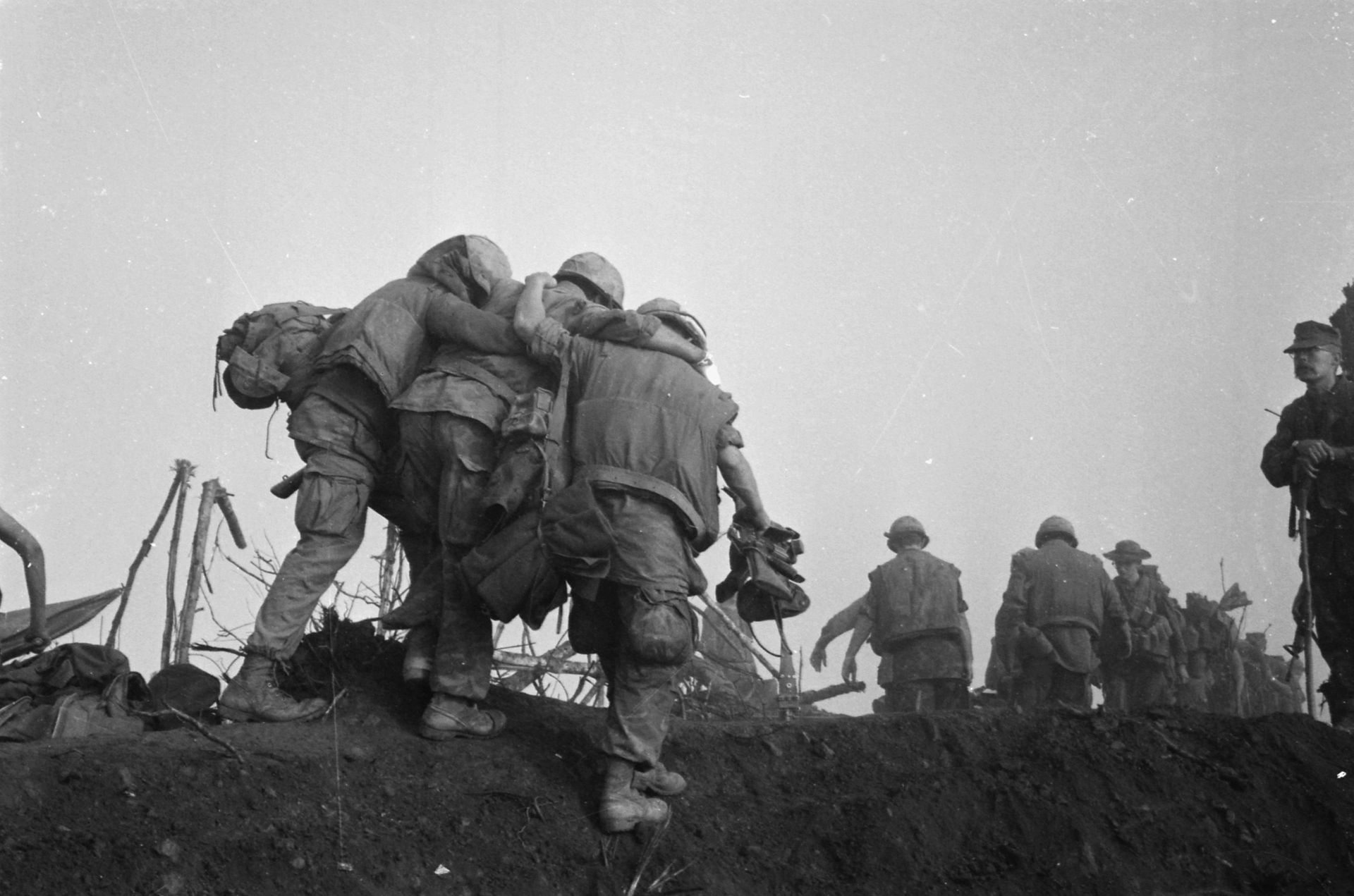
Another parallel comes from the United States, during the Vietnam War. Under the so-called Project 100000, men who had previously failed military standards, including those with cognitive limitations, were reclassified and sent to Vietnam. The programme lowered both physical and mental thresholds to meet troop demands.
In imperial Japan, during the Second World War, more than 480 individuals with intellectual disabilities were conscripted during the conflict.
In the British Army, during the First World War, individuals classified at the time as “mentally defective” did in fact enter military service, despite legal frameworks designed to exclude them. Such individuals “came to be recruited into the army” during 1914–1918, often slipping through imperfect British screening systems.
At the same time, military institutions were actively trying to prevent this. U.S. Army neuropsychiatric doctrine during the First World War explicitly emphasised the need to identify and exclude those with mental or nervous disease, noting that such individuals were prone to breakdown under combat stress and could disrupt units. Yet the same records acknowledge that some “mental defectives will slip through” despite screening.
This tension between formal exclusion and practical leakage appears repeatedly in military history.
The use of physically disabled soldiers has been more structured and more common, though typically outside frontline combat roles. During the American Civil War, the Union Army created the Invalid Corps (later Veteran Reserve Corps), composed of wounded or partially disabled soldiers. Some of these men performed guard duties and even saw limited combat, while others were assigned to support roles.
Similarly, across multiple wars, disabled individuals have been retained or re-employed in logistics, administration, or garrison duties. In modern discussions, military analysts even argue that disabled personnel can contribute effectively to non-kinetic roles such as cyber operations or drone control. During World War I, the pattern was similar. As casualties mounted, armies lowered physical standards and accepted men with chronic conditions. Psychological trauma was poorly understood, and many soldiers suffering from what was then termed “shell shock” were returned to combat. Yet even here, the inclusion of individuals with clear intellectual disabilities is not well documented.
Read More:
- Meduza: How getting out of the Russian army became all but impossible — even for soldiers severely disabled in combat
- Meduza: How Russia forced a man with intellectual disabilities to fight in Ukraine
- Mediazona: Unfit to learn, fit to die. Disabled Siberian man unable to read or write is killed in Ukraine after being recruited from prison
- Novaya Gazeta Europe: Russian soldier recruited from prison despite learning difficulties dies fighting in Ukraine
- Le Monde: Russia ramps up all kinds of recruitment efforts to support its war effort
- Meduza: Russia’s Defense Ministry is quietly making it even harder to get a medical exemption from military service
- Netherlands Ministry of Foreign Affairs / ecoi.net: Thematic Country of Origin Information Report on the Russian Federation, February 2025
- Danish Immigration Service: Conscription in Russia
- Wikipedia: Conscription of disabled people during the Russo-Ukrainian war
- The Telegraph: Russia sends disabled soldiers to the slaughter
- Kyiv Post: Russia Sending Sick, Disabled Men to War
- Kyiv Post: Russia Forming Assault Units with Disabled Soldiers, Relatives Outraged
- The Telegraph: Russia sends disabled soldiers to the slaughter
- Kyiv Post: Russia Sending Sick, Disabled Men to War
- Kyiv Post: ‘All the Garbage’ – Russian Soldier Says Disabled People, Prisoners Sent to Front Line
- Encyclopaedia Britannica: Volkssturm
- Penguin Random House: Russia’s War – Richard Overy
- Harvard University Press: A War of Nerves: Soldiers and Psychiatrists in the Twentieth Century – Ben Shephard
- Internet Archive: Russia’s War – Richard Overy (full text / library access)
- Internet Archive: A War of Nerves – Ben Shephard (library access)
- National Park Service: Disability History: Military and Disability
- Community Living Magazine: The learning disabled heroes of World War I
- U.S. Army Medical Department: Neuropsychiatry in World War I
- Smithsonian Institution: From “Invalid Corps” to full active duty
- Wikipedia / compiled sources: Conscription of people with disabilities
- Truman National Security Project: The Disabled Soldier in U.S. military history
- Deutsche Welle: “Why are mentally ill soldiers being drafted in Ukraine?
- Anti Discrimination Centre: Russian authorities forcibly drafted disabled people into the army in the occupied Horlivka
- Militarnyi: Russia sends disabled soldiers on crutches into battle
- Meduza: ‘He had no understanding of what war is’ How the Russian authorities forced a man with an intellectual disability into the army, where he faced threats and abuse
- TVP World: Russia to spend €1 bln on prosthetic limbs for disabled war casualties
- CNN: Russia is ‘recycling’ wounded troops, sending some to the frontline on crutches
- United24Media: Russia Forcing Amputee Soldiers Back to the Frontline, With No Prosthetics or Support
- Forbes: Why Is Russia Sending Assault Troopers Into Battle On Crutches?
- CEPA: Putin’s Limbless Generation Struggles for Support
- The Moscow Times: After Losing Limbs to War, Russian Amputee Veterans Grapple With Officials’ Empty Promises
- Kanal13: “We are all being sent to death” – Russia sends to fighting disabled soldiers missing limbs
- The Russian Review: The Demands of the Disabled: Masculinity, Disability, and Citizenship in the Late Imperial Russian Military
- Business Insider: Russia is sending its injured and disabled soldiers back to the front lines to fight
- BBC: UN: Disabled people used as human shields by Russia
- The Defense Post: Russia Sending Injured, Disabled Soldiers Back to Frontline: Report
- UATV: No Payments or Assistance: The Kremlin Drafted Disabled Persons Into the Army
- InKorr: Russia sends disabled and mentally ill to the front: the story of an assault soldier from Altai
- Politico: Soviet-era attitudes to disability hinder Ukrainian fighters’ recovery
- PRM: Russia sends people with disabilities and the sick to the front
- The Real Dave Newton: Project 100,000: The Pentagon’s Quiet Experiment in Vietnam
- Task & Purpose: Inside the Pentagon’s shameful effort to draft mentally disabled men to fight in Vietnam