
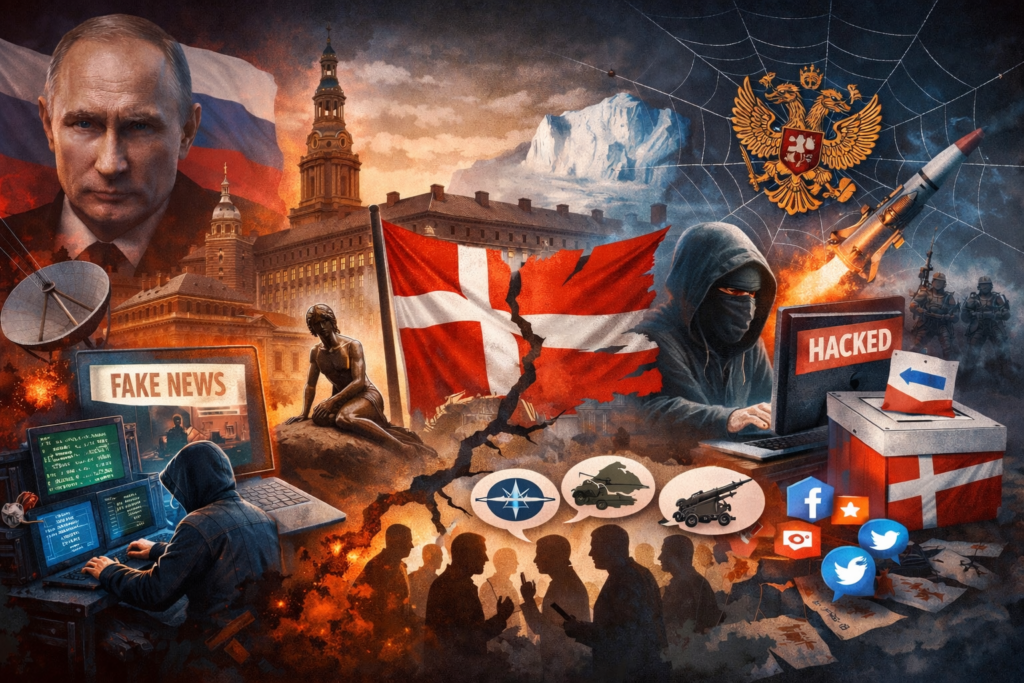
Denmark went to the polls on amid heightened warnings of foreign interference, with intelligence services and European analysts pointing to sustained Russian influence activity in the final phase of the campaign. There is evidence of foreign attempts to interfere in elections in Germany, Hungary and Slovenia, too. The Hungarian Foreign Minister is accused of briefing Moscow on EU deliberations, and the EU’s defence funding for Hungary is stalled.
There are cross-European, recurring operational patterns of external interference in domestic politics, such as coordinated fake accounts and bot networks, cloned media websites and fabricated articles, AI-generated content and synthetic narratives, use of local intermediaries to mask origin and blending of cyber incidents and information campaigns.
The operational methods across these cases share common features:
- Coordinated social media amplification across multiple platforms
- Use of proxy media outlets and cloned websites
- Targeted harassment and discrediting of political figures
- Integration of cyber incidents with information campaigns
- Increasing use of AI-generated content and multilingual messaging
These techniques are now deployed as part of a continuous influence cycle, rather than limited to specific election periods. Elections provide focal points where existing networks intensify activity and adapt messaging in real time.
Denmark: Greenland Disinformation and Coordinated Campaign Messaging
Danish authorities have assessed that foreign actors are attempting to shape public debate, target political figures and influence voter perceptions. The activity has intensified in the final weeks before the election. Online campaigns have focused on security policy, NATO commitments, support for Ukraine and the geopolitical status of Greenland. These themes align closely with Russian strategic interests in the Arctic and Baltic regions.
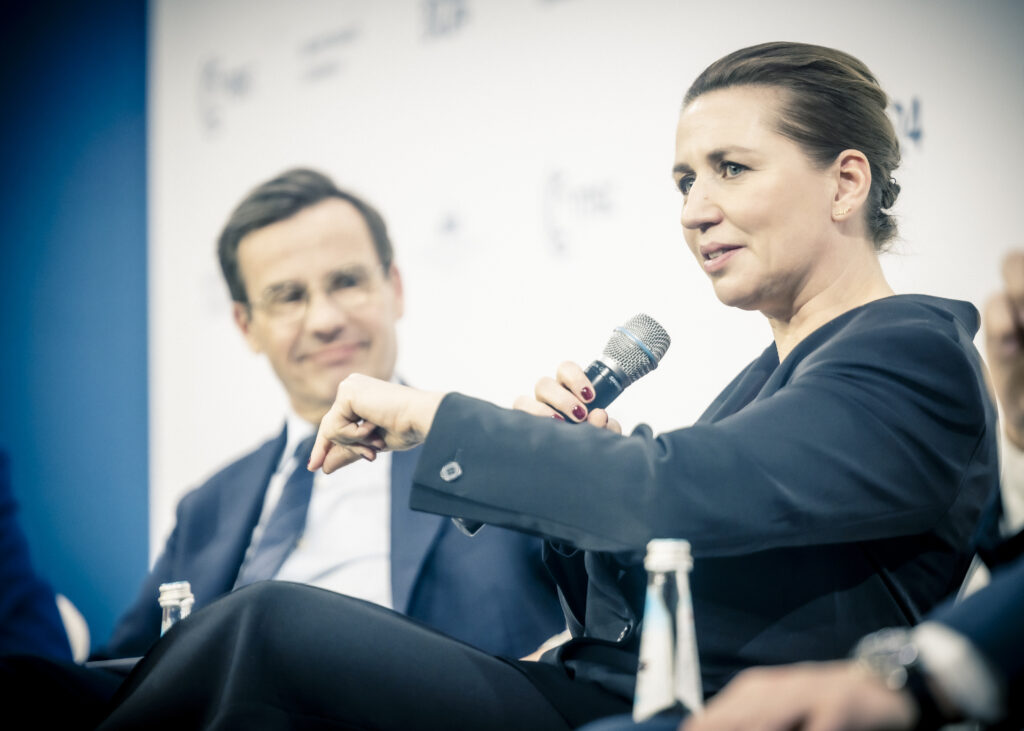
Danish intelligence agency Politiets Efterretningstjeneste PET stated in its public threat assessment: “Foreign states are attempting to influence democratic processes in Denmark”. According to the Danish outlet DR, Justice Minister Peter Hummelgaard warned: “We must expect attempts to influence both the debate and possibly the election itself”. Prime Minister Mette Frederiksen also addressed the issue during the campaign, stating that Denmark must remain “robust against foreign pressure”, according to Berlingske.
Monitoring groups have identified coordinated amplification of hostile messaging directed at Danish politicians. The pattern included bursts of activity across multiple platforms, rapid dissemination of identical narratives and the use of accounts presenting themselves as domestic voices. The operational tempo increased as the election approached, indicating adaptive behaviour tied to campaign developments.
The Greenland issue emerged as a central narrative. Messaging has linked Danish policy in the Arctic to broader tensions with Russia and NATO, aiming to inject uncertainty into strategic decision-making. This reflects the growing importance of the Arctic in European security and the role of Denmark as a gateway between the Baltic and northern Atlantic theatres.
Cyber activity has formed a parallel layer. Danish institutions have previously attributed disruptive incidents to pro-Russian groups, including distributed denial-of-service attacks targeting public infrastructure. These operations generate visibility and reinforce narratives of instability, feeding into the wider information campaign.
Greenland narrative manipulation
Danish intelligence has identified disinformation linked to geopolitical tensions over Greenland. Messaging has amplified claims about foreign control, sovereignty risks and instability in the Arctic debate.
- False or misleading narratives tied to the US interest in Greenland
- Attempts to link Danish policy to security instability
- Amplification during the election campaign period
Targeting political debate and candidates
Authorities warn that influence activity aims to sow division and target candidates directly.
- Coordinated online messaging against political actors
- Narratives focused on NATO, Ukraine and defence policy
- Timing aligned with campaign milestones
Strategic targeting due to Ukraine support
Denmark is assessed as a priority target because of its strong support for Ukraine.
- Messaging seeks to weaken support for Ukraine
- Narratives highlight risks of escalation with Russia
Denmark Election Shock With Little Foreign Interference
The early post-election reporting in Danish outlets points to domestic policy decisions, not external interference, as the decisive factor. The elections delivered a historic setback for the Social Democrats, with Danish media widely describing it as the party’s weakest performance in more than a century, often benchmarked against results seen in the early 20th century after the 1901 system shift.
The abolition of the Store Bededag public holiday has emerged as a central grievance, repeatedly cited in voter analyses and exit coverage as a symbol of top-down economic policy that alienated core voters.
Security concerns were presented in the background, but did not determine voter behaviour. More likely, the result was the political cost of economic adjustments.
Hungary Leak Scandal: Foreign Minister Accused of Briefing Moscow on EU Deliberations
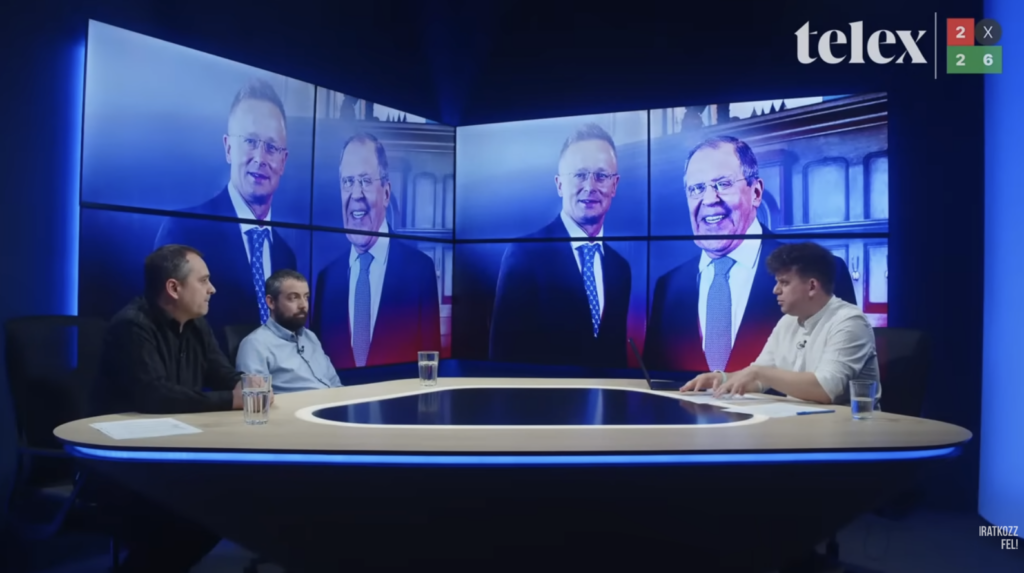
Hungary’s next parliamentary elections are scheduled for 12 April 2026. This vote will elect all 199 members of the National Assembly and is widely seen as one of the most consequential elections in Europe this year, with Prime Minister Viktor Orbán facing a serious challenge from the opposition Tisza party.
Orbán’s government’s foreign minister, Péter Szijjártó, is facing mounting political pressure following reports that he shared sensitive information from EU meetings with Russian counterparts.
Szijjártó admitted to maintaining regular contact with Russia’s foreign minister Sergey Lavrov, including calls linked to EU-level meetings.
Spanish daily El País reports he acknowledged regular contacts and discussions with Russia on EU matters, while downplaying their sensitivity. According to the Washington Post, he allegedly briefed the Russian Foreign Minister Lavrov during or around EU meetings. These allegations, if they represent a breach of informal but critical confidentiality norms that underpin common foreign and security policy coordination. The case is being framed by critics as evidence of Budapest maintaining a parallel diplomatic channel with Moscow even while participating in EU decision-making.
Szijjártó reportedly shared details of EU Council discussions with Moscow. He said he had spoken with Lavrov “before and after” EU meetings.
There are long-standing tensions over Hungary’s Russia policy. This episode is likely to intensify scrutiny of Hungary within the EU and could influence electoral dynamics domestically, where opposition forces are already using the issue to question the government’s alignment with European partners.
At the EU level, the credibility of internal deliberations depends on mutual trust, and any perception of systematic leakage to a strategic adversary risks complicating coordination on sanctions, defence and Ukraine policy.
Otherwise, in Hungary, influence activity has aligned with existing political divisions. Investigations have highlighted coordinated messaging that reinforces narratives supportive of the government while discrediting opposition figures. The approach relies on amplification rather than fabrication, using established media and political networks to carry messages that overlap with Russian geopolitical framing. Hungarian opposition figures have publicly warned against external interference, reflecting heightened awareness of the issue during the election cycle. Opposition leader Péter Magyar, quoted in Hungarian media and reported via Euronews, stated: “Russia must not interfere in Hungary’s democratic processes”.
Hungarian outlet Telex has reported concerns about foreign-linked influence networks, including the spread of coordinated messaging during the campaign. At the same time, the government has rejected such claims. Foreign Minister Péter Szijjártó has dismissed allegations of Russian links as “lies and propaganda”.
Hungary Left Alone as EU Defence Cash Stalls Amid Political Tensions
In late March 2026, Hungary became the sole EU member state still awaiting approval for defence financing under Brussels’ €150bn SAFE rearmament scheme, deepening tensions between Budapest and the European Commission.
While France and Czech Republic were cleared this week to access billions in low-interest loans, Hungary’s €17bn–€17.4bn plan remains under review, with the Commission insisting that “assessment is ongoing” and additional information is still required.
Diplomatic sources suggest the delay is not purely technical. Hungary has clashed repeatedly with Brussels over its stance on Ukraine, including blocking a separate €90bn EU loan package for Kyiv, a move that has drawn sharp criticism from several member states and raised questions about Budapest’s compliance with the bloc’s principle of “loyal cooperation.”
The SAFE facility, introduced in 2025 to accelerate European rearmament in response to Russia, has already approved 18 other national plans, unlocking tens of billions of euros in cheap financing. Hungary now stands as the only outlier, despite formally urging the Commission to speed up its decision through a written request.
Officials in Brussels continue to frame the delay as procedural, but several EU governments, particularly in Northern and Eastern Europe, have warned that approving Hungary’s funding without political concessions could undermine unity at a critical moment for European security.
Hungary: Disinformation Campaigns and Extreme Influence Proposals
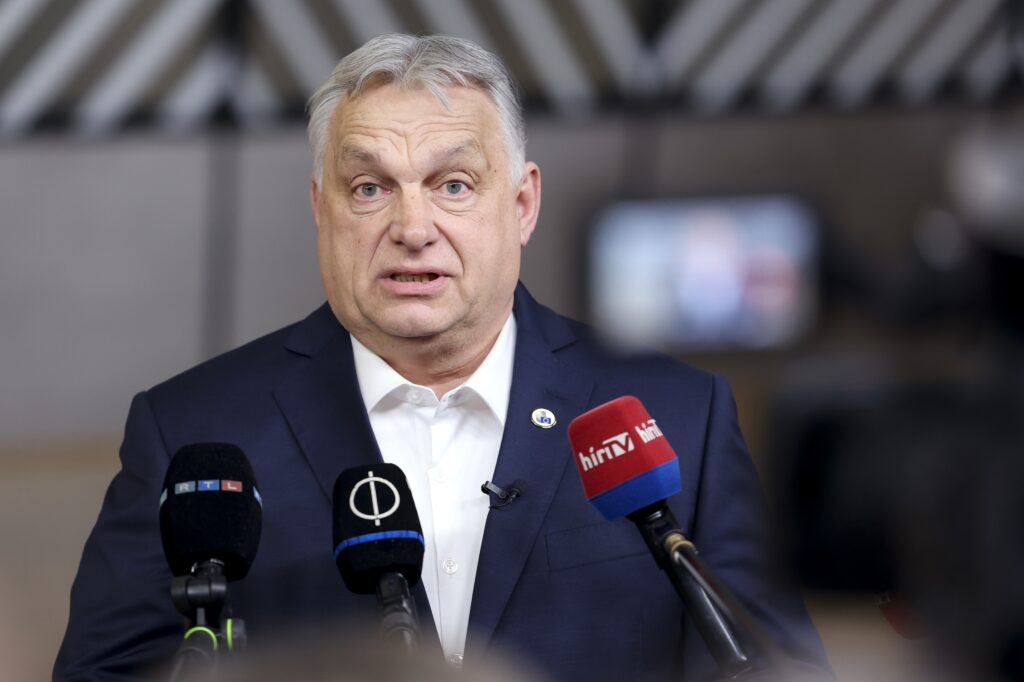
Kremlin-linked disinformation campaign supporting Orbán
A campaign tied to the Social Design Agency has spread pro-government and anti-opposition content across Hungarian social media.
- Memes, infographics and fake news targeting the opposition
- Portrayal of Orbán as a Strong Sovereign Leader
- Messaging is distributed via local intermediaries to hide the origin
AI-driven disinformation and narrative manipulation
Investigations point to the use of fake or manipulated content to discredit political opponents.
- AI-generated messaging targeting opposition figures
- Attempts to shift public focus from economic issues
Proposal for a staged assassination scenario
A leaked intelligence document described a proposal to stage an assassination attempt to influence the election narrative.
- Intended to create a national security crisis narrative
- Aimed at boosting incumbent political support
Influence within international observation structures
Concerns have been raised about individuals with past Kremlin ties involved in election monitoring structures.
Slovenia: Foreign Influence via Private Intelligence Networks
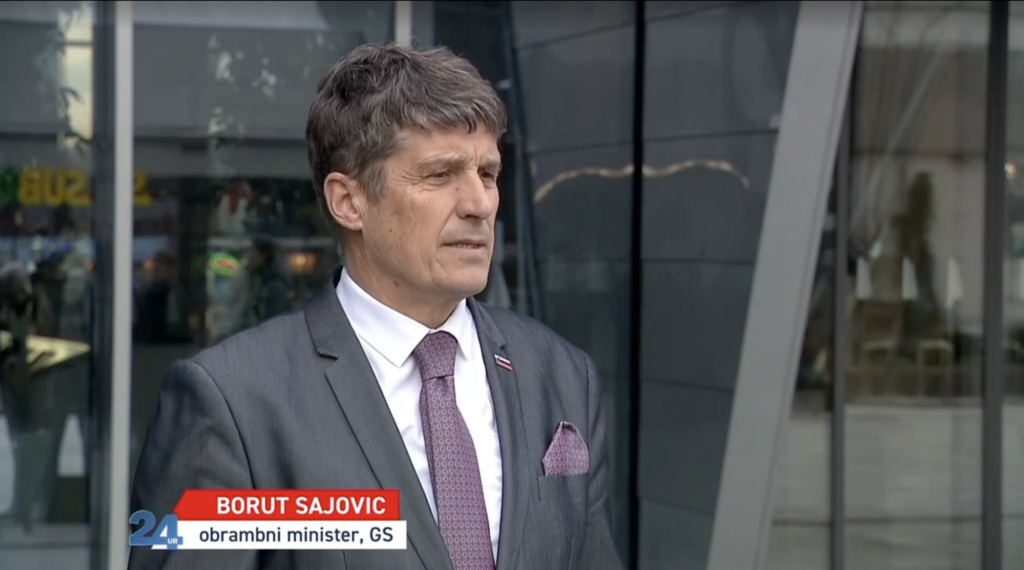
Slovenia’s election environment has drawn scrutiny over a different model of external interference, one that blends private intelligence activity with political campaigning rather than relying solely on state actors.
Reporting in Delo and other regional outlets has pointed to contacts between Slovenian political figures and individuals linked to the Israeli private intelligence firm Black Cube. The company, known internationally for covert influence operations, has been associated in media reporting with strategic communications, targeted messaging and opposition research activities in multiple countries. As Delo noted, “foreign actors are increasingly present in election campaigns through indirect methods”.
Alongside these concerns, Slovenian media have reported campaign disruptions and intimidation incidents, including vandalism of political materials and targeted pressure tactics. Such activity has contributed to a perception of a more contested and externally exposed electoral environment, possibly from Russia.
Alleged involvement of Israeli-linked firm Black Cube
Slovenian election coverage has highlighted meetings between political actors and representatives of a private intelligence company.
- Reported links to strategic campaign influence
- Concerns over covert messaging and political targeting
Campaign disruption and intimidation signals
Election campaigning has included incidents such as vandalism and intimidation tactics.
- Symbolic actions targeting campaign materials
- Raised concerns about coordinated destabilisation
Germany: Fake Media, Disinformation Networks and Social Media Operations
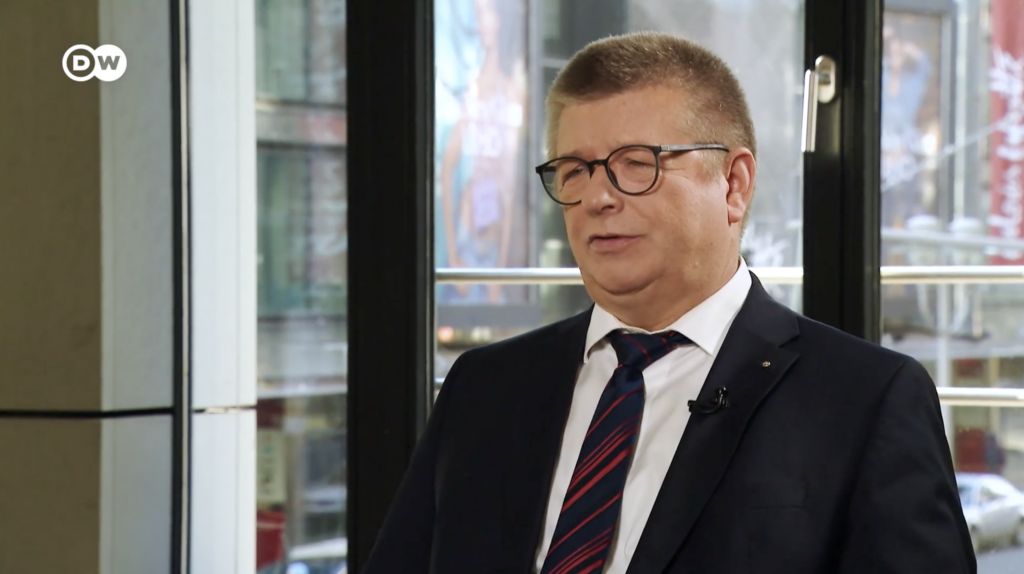
“We are seeing aggressive influence operations, especially from Russia, aimed at undermining trust in democratic processes”.
– President Thomas Haldenwang, German domestic intelligence agency BfV
Germany remains a long-term strategic target. Security services have warned of ongoing attempts to influence political discourse, including at regional and municipal levels. German domestic intelligence agency BfV has issued repeated warnings about foreign interference. According to Tagesschau, BfV President Thomas Haldenwang said: “We are seeing aggressive influence operations, especially from Russia, aimed at undermining trust in democratic processes”.
German Interior Minister Nancy Faeser added:“Disinformation is being used deliberately as a weapon”.
In southern Germany and major urban centres, authorities have monitored disinformation activity linked to both far-right and far-left narratives, often amplified through online ecosystems that intersect with foreign influence networks. The objective is to deepen polarisation and weaken trust in democratic institutions rather than to support a single political outcome. In Baden-Württemberg, officials warned of targeted disinformation campaigns linked to extremist narratives circulating online, according to Süddeutsche Zeitung.
Fake videos and voter suppression narratives
German authorities identified misleading videos claiming voter suppression of specific parties.
- Fake videos and voter suppression narratives
- German authorities identified misleading videos claiming voter suppression of specific parties.
“Storm-1516” influences network activity
A pro-Russian network created fake accounts and pseudo-media sites to spread narratives.
- Over 700 fake accounts were detected in one campaign phase
- Content targeting political candidates and public trust
Fabricated political claims and false stories
False reports circulated about German leadership decisions, including fabricated financial commitments and personal scandals.
- Fake international funding claims
- Disinformation about political figures
Fake media websites mimicking real outlets
Russian-linked operations cloned Western media brands to spread disinformation.
European policy bodies and think tanks confirm that such operations now combine disinformation, cyberattacks and political influence into a single hybrid model.
Read More:
- NordisHub: Russian influence operation amplifies attacks on Danish politicians before election
- Politiets Efterretningstjeneste (Danmark): Illegal foreign interference
- The Guardian: Russia may interfere in Danish election, exploiting chaos sown by US
- South China Morning Post / Bloomberg: Denmark warns of interference from Russia, US in its election
- Euronews: Hungary’s opposition leader calls on Russia to refrain from election interference
- European External Action Service: Foreign Information Manipulation and Interference Threat Report
- Reuters: Poland chooses Sweden’s Saab for submarine deal
- NordisHub: Russian influence operation amplifies attacks on Danish politicians before election
- The Guardian: Russia may interfere in Danish election, exploiting chaos sown by US
- The Local (Denmark): Danish intelligence warns of foreign interference in election campaign
- South China Morning Post / Bloomberg: Denmark warns of interference from Russia, US in its election
- Financial Times / Moscow Times: Kremlin-backed disinformation campaign in Hungary
- Washington Post: Russians proposed staged assassination to influence Hungarian election
- The Guardian: Concerns over Kremlin-linked figure in Hungary election monitoring
- Euronews: Hungary’s opposition leader warns against Russian interference
- Reuters: Slovenia election and foreign interference concerns
- Reuters: Germany warns of Russian disinformation targeting election
- Wired: Russia targeting Germany with fake information campaigns
- European Policy Centre: Russia’s threat to Europe goes beyond Ukraine
- Telex: Külföldi befolyás és kampánykockázatok (in Hungarian)
- Euronews (via Washington Post reporting): Hungarian minister shared EU confidential information with Russia for years, report claims
- Delo: Tuji vplivi v volilnih kampanjah (in Slovenian)
- Reuters: Slovenia election pits liberals against populist right
- DW: Russische Sabotageakte in Deutschland? Interview mit Verfassungsschutz-Präsident Haldenwang
- DR (Danmarks Radio): Valgresultat: Socialdemokratiet går kraftigt tilbage
- Politiken: Analyse: Store bededag blev et politisk vendepunkt
- Berlingske: Valganalyse: Derfor gik det galt for Socialdemokratiet
- Jyllands-Posten: Efter valget: Ingen tegn på afgørende russisk indblanding
- TV 2 Danmark: Eksperter: Udenlandsk påvirkning fyldte – men afgjorde ikke valget
- The Guardian: Mette Frederiksen’s leftwing bloc fails to win majority in Danish election
- Reuters: Danes vote in election clouded by Trump Greenland issue
- AP News: Danish election produces inconclusive result
- Omni (Sweden, citing Danish data): Socialdemokratiet gör sämsta resultatet sedan 1901
- The Local Denmark: Danish intelligence warns of foreign interference in election campaign
- Telex: Óvakodnak a magyar kormánytól az EU-ban – 2026 élőben (YouTube / in Hungarian)
- Telex: Szijjártó a Lavrovval egyeztetésről: Ebben nem tudom, mi annyira különlege
- 444.hu: Szijjártó Péter a 444-nek: Ukrán beavatkozás van, nem orosz
- Focus Europe: Orbán zleca śledztwo ws. podsłuchów ministra. W tle kontakty z Rosją
- Politico: European Commission wants Hungary to ‘clarify’ claims it shared info with Russia
- 24ur (Slovenia): Sova Knovsu potrdila prihod Izraelcev. SDS: Black Cube ne poznamo
- El País: Hungría admite contactos con Rusia sobre las conversaciones confidenciales de la UE
- Euronews: EU calls on Hungary to clarify ‘concerning’ reports of Russia leaks
- AP News: Alleged Russian backchannel ‘treason’ to be investigated
- Reuters: Hungary’s Orban orders probe into alleged wiretapping of minister over Russia links
- TPV World: EU nations cut Hungary out of sensitive talks over Russia leak fears, diplomats say
- TPV World: Investigation claims Hungary’s Orbán sent spies to infiltrate EU institutions
- CSIS: What Is at Stake in Hungary’s Election?
- Euronews: Spy scandal overshadows Slovenian elections
- Euronews: Hungary left in the cold as European Commission keeps defence cash frozen
- Euractiv: Commission clears French and Czech SAFE plans, but skips Hungary
- EU Perspectives: Brussels keen to calm SAFE delay fears as €38bn plans stall
- Censor.net / RMF24 (via reporting): EU has not approved loan to Hungary for rearmament due to its veto on Ukraine
- The Guardian: EU leaders accuse Hungary of undermining support for Ukraine
- Slovenian Government: New findings on foreign interference in Slovenia’s elections
- The Wall Street Journal: Spies, Lies and Fake Investors in Disguise: How Plotters Tried to Flip a European Election
- Politico: Black Cube, leaked tapes and corruption: Israeli spy firm crashes Slovenia’s election
- Politico: European Commission wants Hungary to ‘clarify’ claims it shared info with Russia
- Politico: EU cuts Hungary out of sensitive talks over leaking-to-Russia fears, diplomats say
- Euronews: Hungary left in the cold as European Commission keeps defence cash frozen
- Euractiv: Commission clears French and Czech SAFE plans, but skips Hungary
- EU Perspectives: Brussels keen to calm SAFE delay fears as €38bn plans stall
- Censor.net / RMF24 (via reporting): EU has not approved loan to Hungary for rearmament due to its veto on Ukraine
- The Guardian: EU leaders accuse Hungary of undermining support for Ukraine