
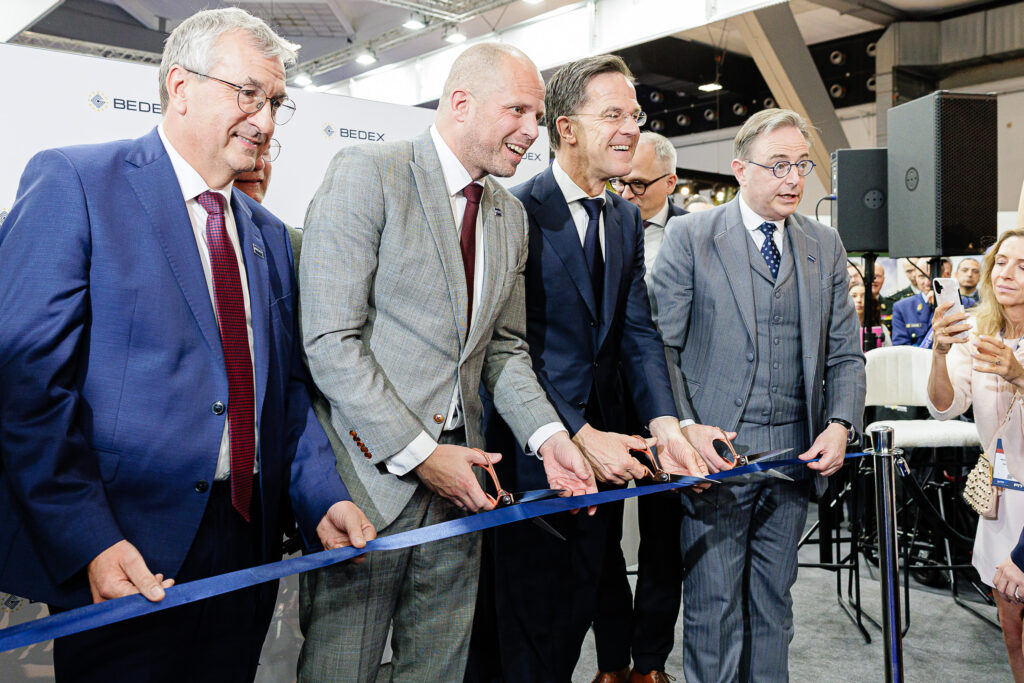
The first BEDEX functioned more as a political-industrial meeting point, less as a traditional arms fair. NATO messaging, European defence industrial cooperation and supply-chain building all converged in Brussels. BEDEX served mainly as a venue for industrial cooperation announcements rather than large procurement contracts. The Belgian Minister of Defence raised a current topic: How the war in Iran has additionally raised prices also in the defence industry.
The inaugural Brussels European Defence Exhibition & Conference, BEDEX, ended with numbers that suggest Belgium has managed to plant a new flag in Europe’s defence calendar. According to the event’s closing release, the show brought together more than 200 companies from 27 countries, more than 70 official delegations, 23 conferences and 90 speakers. The organisers reported 10,983 professional visitors and 6,328 public visitors over three days. For a first edition, that is a solid start for an event positioned in the political centre of Europe, close to both NATO headquarters and the EU institutions.
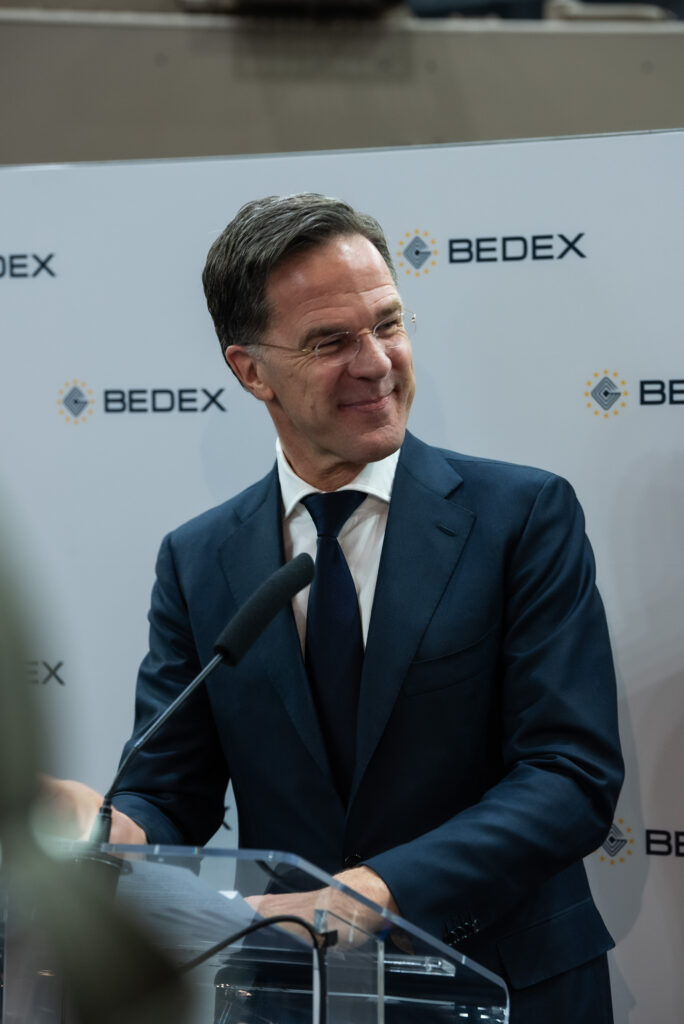
NATO Secretary General Mark Rutte had a direct message to industry at the opening session: “The demand is there. And now the supply needs to be there too,” Rutte said. He urged companies to expand manufacturing rapidly.
“You need to invest in extra shifts. Invest in extra factories,” he told industry leaders, adding that tens or even hundreds of billions of euros in defence spending are moving into the system. NATO allies, he said, expect industry to move faster and cooperate more closely across the transatlantic defence industrial base.
Rutte also emphasised Belgium’s growing defence role, remarking that “Belgium is back,” linking BEDEX to the country’s broader attempt to position itself as a more active defence-industrial hub within NATO.
Industrial cooperation deals
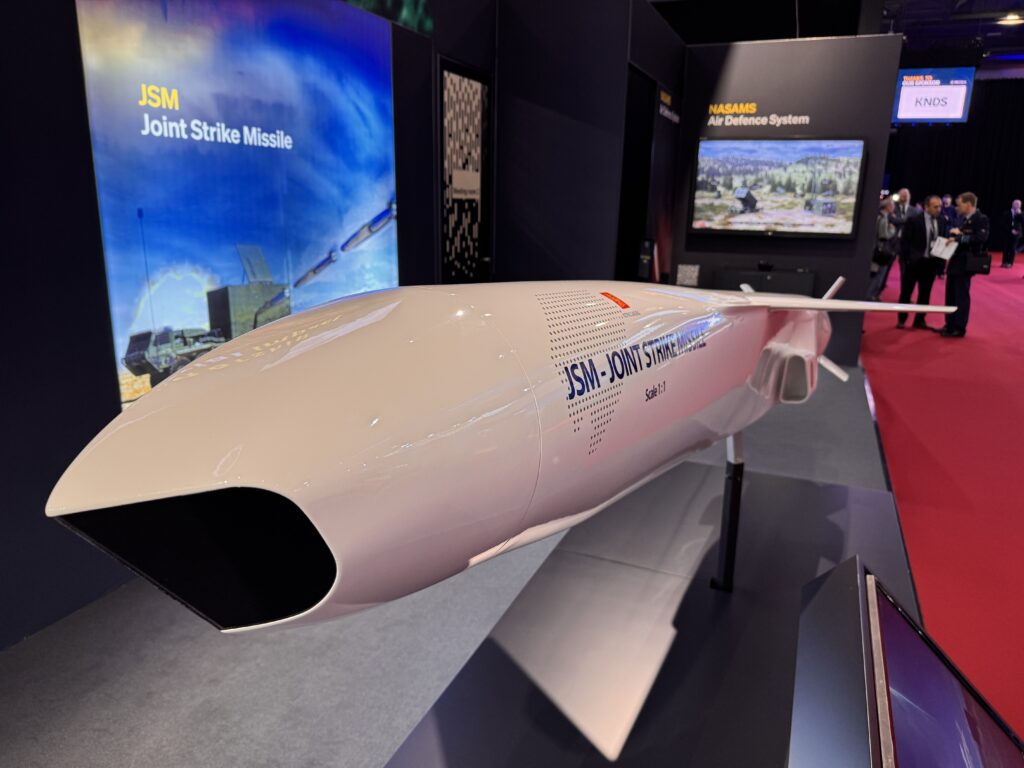
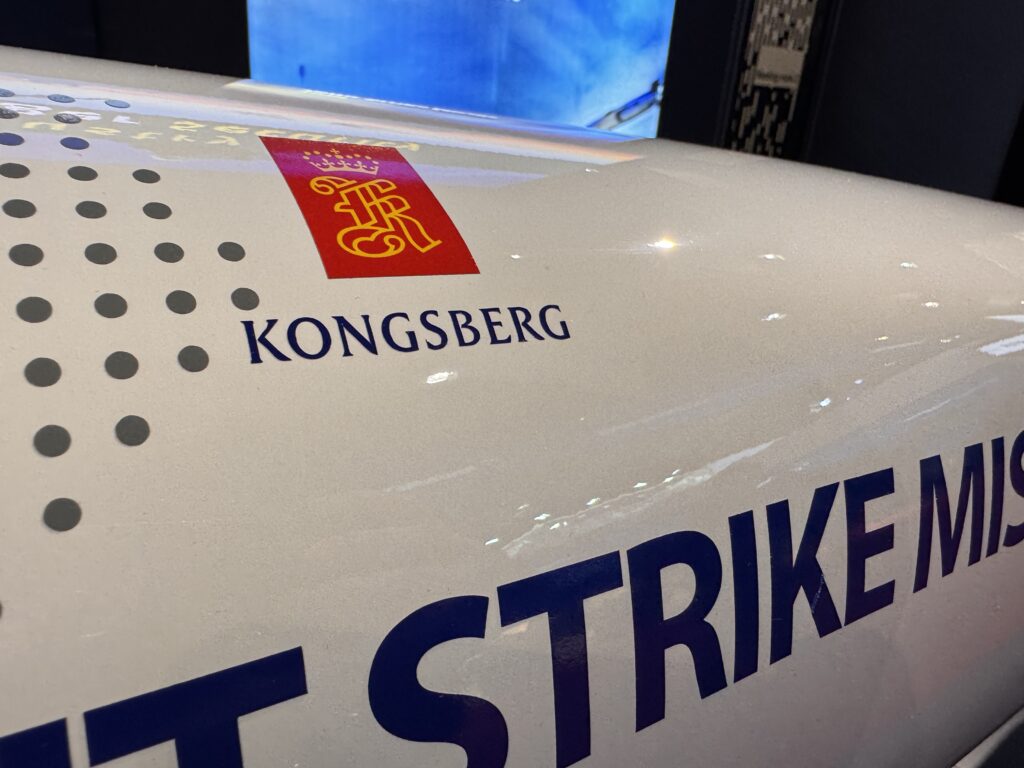
Beyond the political speeches, BEDEX served mainly as a venue for industrial cooperation announcements rather than large procurement contracts, like those from Kongsberg Defence & Aerospace. The Norwegian company signed letters of intent with three Belgian firms, Advionics, Sioen Industries and Feronyl. The agreements aim to explore cooperation in ground-based air defence systems, relating to the NASAMS ecosystem.
The Belgian partners could contribute electronics, protection systems and structural components. If Belgium moves forward with NASAMS procurement, the cooperation could embed Belgian companies inside the wider European production chain.
Another maritime cooperation deal emerged between FN Herstal and Damen. The Belgian weapons manufacturer and the Dutch naval shipbuilder signed a memorandum of understanding to jointly develop maritime defence solutions. The partnership will examine integrating FN Herstal weapon systems on Damen vessels and exploring unmanned surface vessel concepts.
The agreement also reflects the increasingly integrated defence-industrial cooperation between Belgium and the Netherlands in naval capability development.
Counter-drone and Air Defence Focus
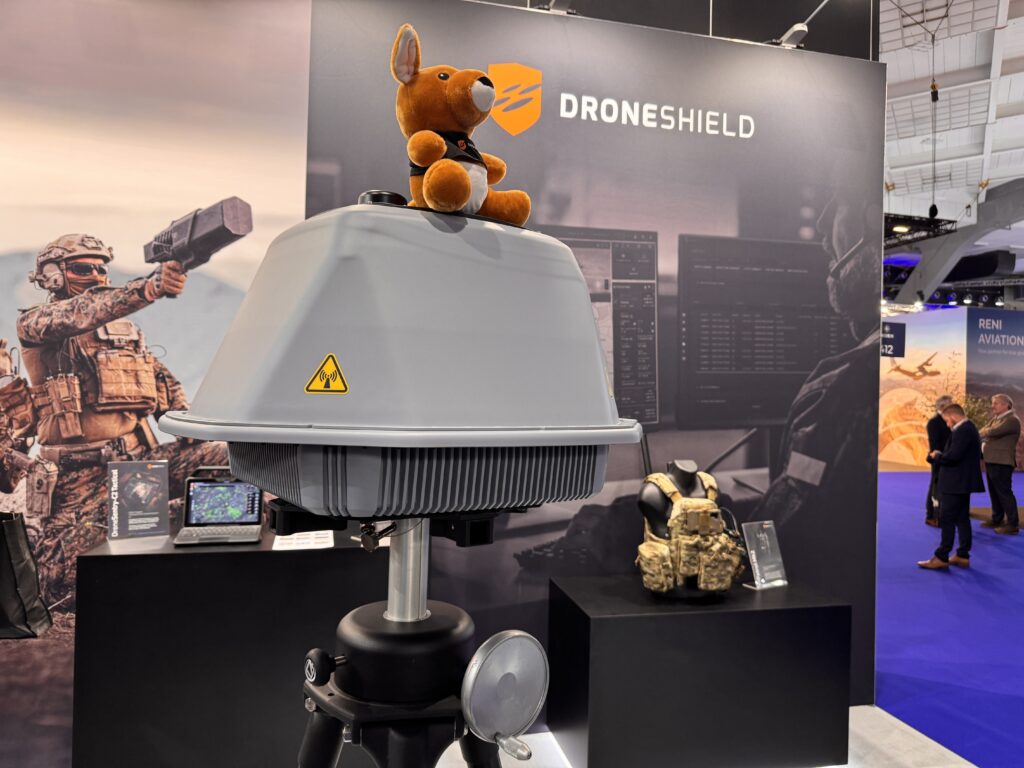
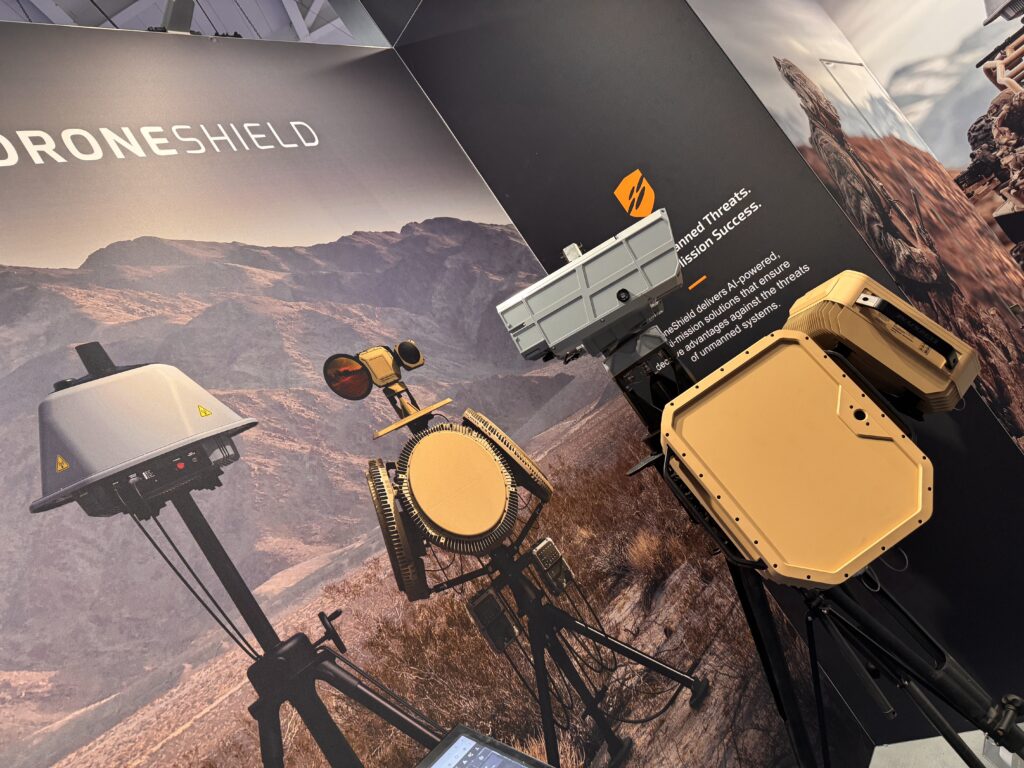
A striking theme across BEDEX announcements was counter-drone capability and layered air defence.
DroneShield informed about the establishment of a European manufacturing footprint for its counter-UAS systems. The company said the new facility is intended to strengthen sovereign European production and shorten delivery times for EU customers.
Spanish defence group Indra also used the event to promote its air defence, counter-drone and cyber defence capabilities. The company presented its IndraMind intelligence platform and emphasised open architectures and the protection of critical infrastructure, an increasingly central theme in European defence planning.
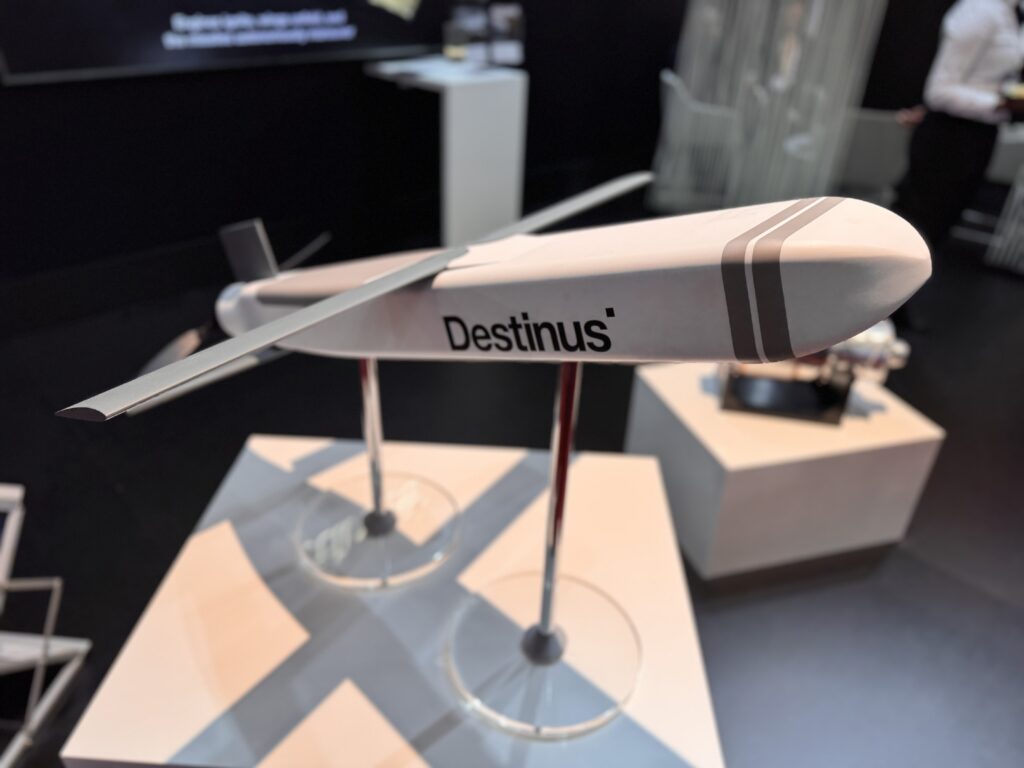
Swiss aerospace start-up Destinus unveiled the Hornet Block2 interceptor system. The electrically powered interceptor is designed to counter drones, loitering munitions and other aerial threats at ranges exceeding 70 kilometres. The system aims to fill the gap between very short-range and short-range air defence layers.
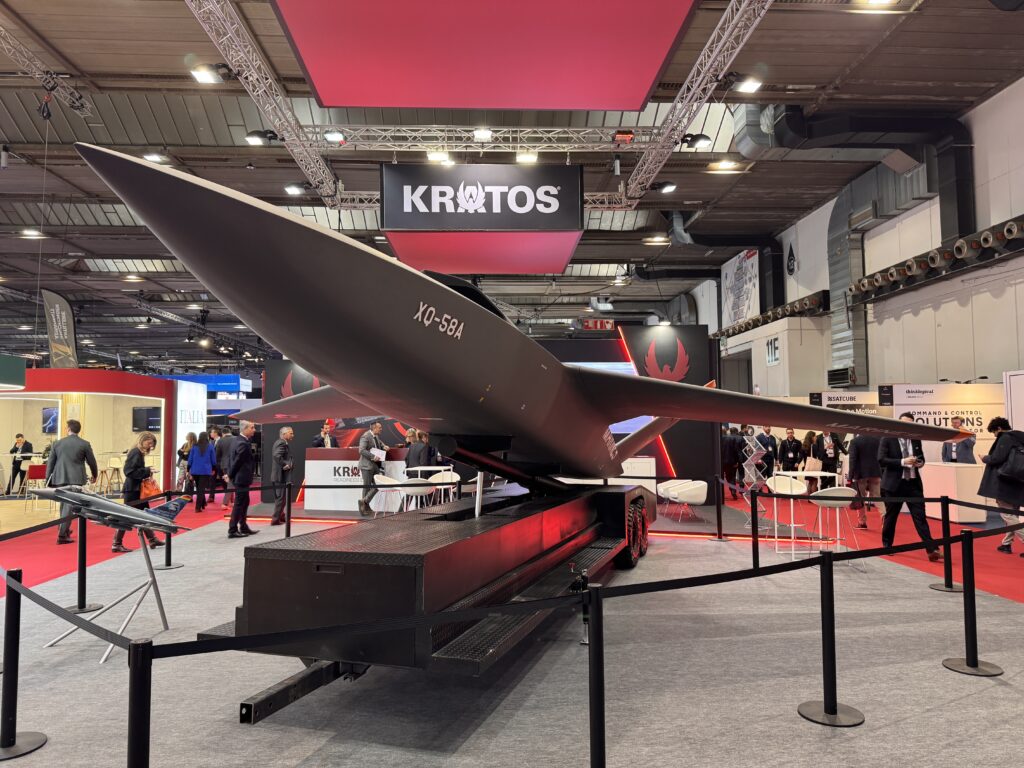
Meanwhile, South Korean defence manufacturer Hanwha Aerospace showcased its long-range L-SAM interceptor and promoted the Chunmoo rocket launcher system to European customers, reflecting the growing presence of Korean defence industry in NATO markets. Airbus also timed a major announcement to the BEDEX news cycle. The company confirmed it is preparing two Valkyrie uncrewed combat aircraft from Kratos equipped with a European mission system. The first flights are expected later in 2026 as part of efforts to create an operational collaborative combat aircraft capability for Germany by 2029.
The Iran War Pumps up the Prices
At the last panel discussion of the event, Theo Franken, the Belgian Minister of Defence, was concerned about impact of the Iran war to the defence industry market. “I’m very concerned about the prices,” Minister Franken said. The Gulf region will buy everything in the market, and “then the prices will go sky high. And we will even pay more than we’re paying already,” he proclaimed. “And we’re paying so much and I’m signing contracts with prices that are, it’s mind-blowing. I have to explain this to the parliament, to the public opinion,” Franken explained. “But, what do you do? Not buy and wait till the market calms down and not having any capability – or buying for prices that are not responsible. Well, it’s a dilemma,” the minister pondered. “We’re buying for really high prices. We’re paying way too much for the moment. The industry, they don’t complain,” Franken said. “But the taxpayers, they’re not happy.”
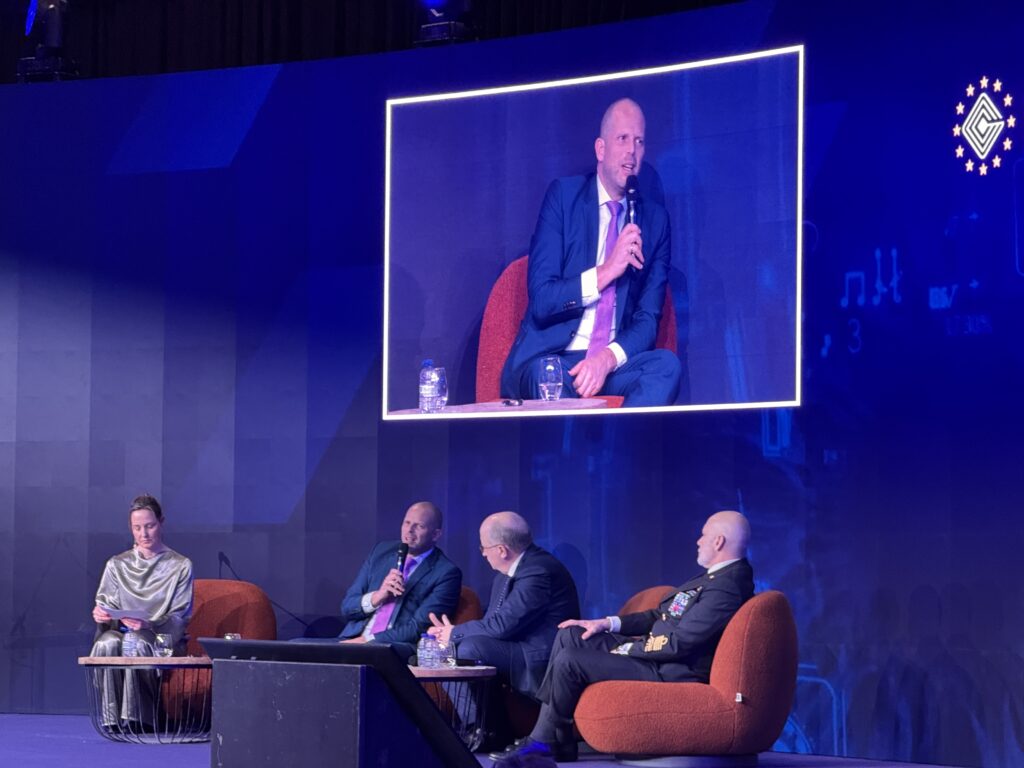
He explained that the Belgian government is trying to have contracts for 7, 10 years, or even for 15 years. “So long-term contracts that give stability for the entrepreneur to know, okay, we can produce for years, and we have stable income,” Theo Franke explained. “We’re putting a lot of innovation in those contracts.”
The problem is bureaucracy, all the control systems, budgets and all the dossiers, like the inspection of finance, which are complicated and slow, because Belgium is not at war, it is not even in crisis. At peace time, it is not possible to circumvent the paperwork and all the control mechanisms. “Please say, what do we need to fix this. Because it drives me totally crazy. Not only me, but it also certainly drives all my generals are here, my armed forces is here. But that it’s… What do you want that we do, what do you want that I do? I don’t know what to do.”
The next BEDEX exhibition is scheduled for April 2027.
Read More:
- NATO: Opening remarks by NATO Secretary General Mark Rutte at the European Defence Exhibition & Conference (BEDEX 2026) in Brussels
- NATO: Panel remarks by NATO Secretary General Mark Rutte at the European Defence Exhibition & Conference (BEDEX 2026)
- Joint Forces News: BEDEX First Edition Concludes in Brussels
- Advionics: Advionics and Kongsberg Defence & Aerospace Sign Letter of Intent for Ground-Based Air Defence Cooperation in Belgium
- Janes: BEDEX 2026 – Kongsberg signs LoIs with Belgian companies for GBAD co-operation
- FN Herstal: FN and Damen Join Forces to Develop Next-Generation Maritime Defence Solutions
- DroneShield: DroneShield Establishes European Manufacturing Footprint to Advance Sovereign Counter-UAS Capability
- Indra Group: Indra Group Brings to Brussels Air Defence, Counter-Drone and Cyber Defence Capabilities
- Army Recognition: Destinus Unveils Hornet Block2 Interceptor at BEDEX 2026
- Airbus: Airbus Preparing Two Uncrewed Combat Aircraft From Kratos for First Flight With a European Mission System
- Yonhap News Agency: Hanwha to Showcase Air Defence Capabilities at BEDEX
- Bedex – Brussels European Defense Exhibition & conference