Russia

The Madman’s Bluff: Fear as Strategy from Hannibal to Trump

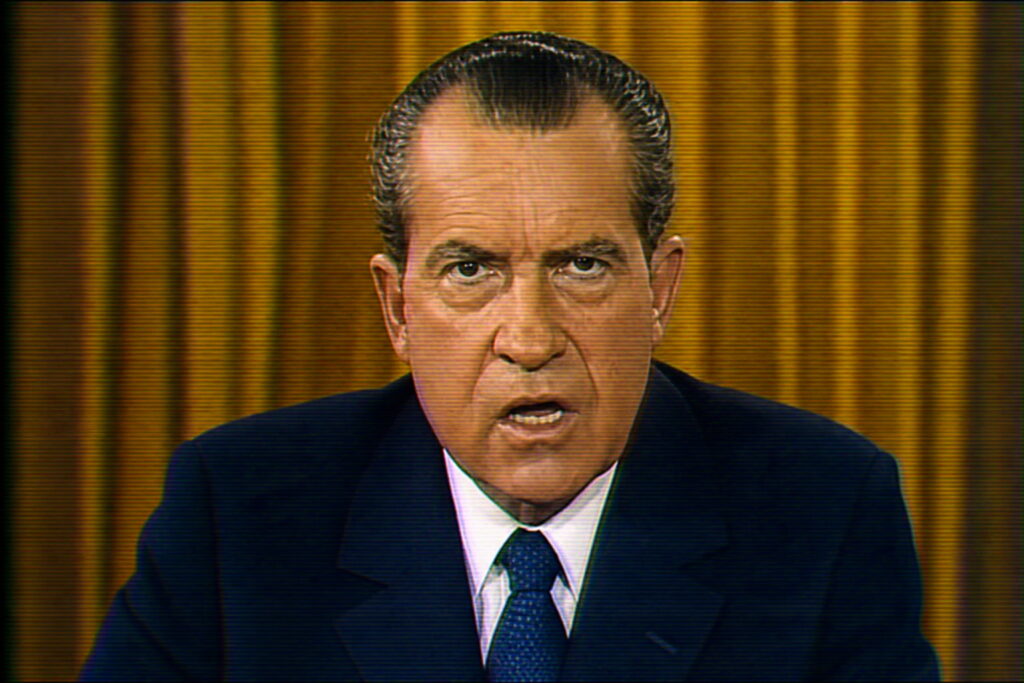
When power is uncertain, fear becomes a tool. From Richard Nixon to Kim Jong-un, Vladimir Putin and Donald Trump, leaders have tried to weaponize unpredictability, convincing adversaries they might act without restraint. Controlled risk can force concessions, but once the bluff is tested, the strategy either collapses or escalates beyond control. The idea of the

The Madman’s Bluff: Fear as Strategy from Hannibal to Trump Read More »

Progressive Bulgaria leader Rumen Radev claims victory in the parliamentary elections on election night, 19 April 2026: (Image: Shutterstock)

Bulgaria’s Radev shock turns Sofia into Europe’s newest weak hinge

Rumen Radev’s Progressive Bulgaria won the Bulgarian elections by campaigning against corruption and promising a more transactional, less confrontational approach to Russia, framed as “Bulgarian realism”. Radev has opposed Bulgarian military aid to Ukraine and has been described as Moscow’s man. While Hungarian voters turned away from the increasingly Moscow-aligned Viktor Orbán, the Bulgarian electorate

Bulgaria’s Radev shock turns Sofia into Europe’s newest weak hinge Read More »

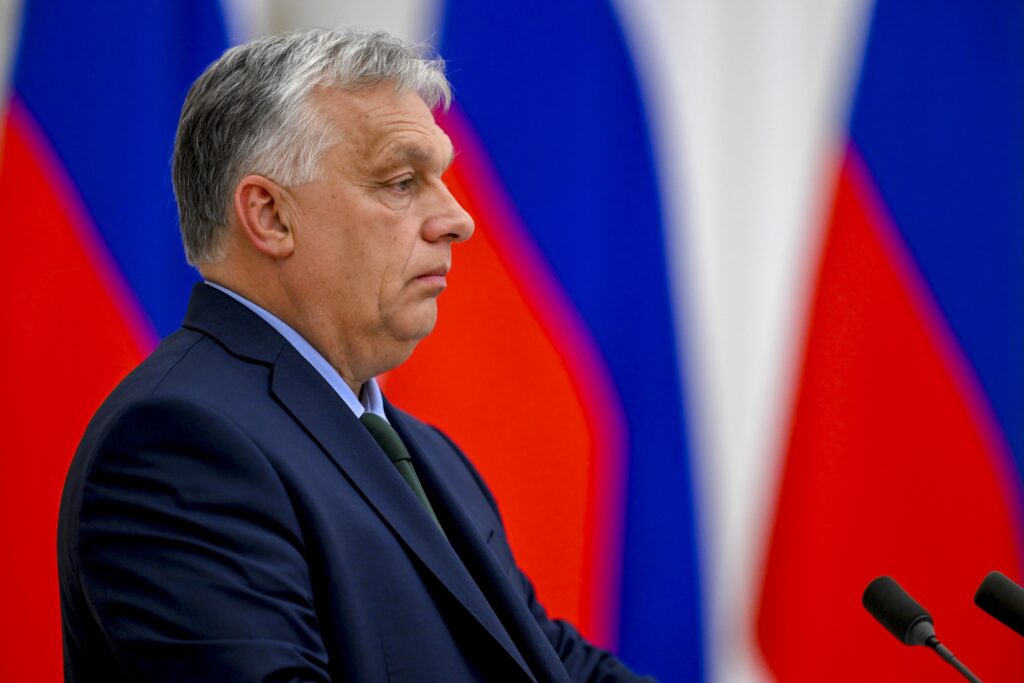
Hungarian Prime Minister Viktor Orbán delivered statements at a joint press conference held after meeting Russian President Vladimir Putin at the Kremlin Palace, 5 July 2024, Moscow, Russia.

NATOs Eastern Flank Tested: Hungary’s Russia Deal Sharpens Fears of Internal Vulnerability

Hungary’s deepening ties with Russia, capped by a sweeping 12-point cooperation plan, are exposing widening fractures inside NATO and the EU just as the country heads into a pivotal election. With Western actors accusing one another of interference and Moscow quietly expanding its influence, the outcome in Budapest could shape both Hungary’s direction and the

NATOs Eastern Flank Tested: Hungary’s Russia Deal Sharpens Fears of Internal Vulnerability Read More »

Russia Still Sending Disabled Recruits to War as Manpower Strain Persists

Russia’s war in Ukraine has entered a grinding, manpower-hungry phase. Evidence from independent Russian outlets, European reporting, and official assessments points to a clear pattern: men who should have been medically exempt, including those with physical illnesses, mental health conditions, and even intellectual disabilities, are being sent into the war. History shows that armies under

Russia Still Sending Disabled Recruits to War as Manpower Strain Persists Read More »

Bringing the War to NATO’s Northern Edge: Ukraine strikes Russia’s Baltic Oil Hub

Ukraine’s drone strike on Russia’s Primorsk and Ust-Luga oil terminals has pushed the war into the narrow waters of the Gulf of Finland, less than 50 kilometres from NATO territory, and exposed a critical vulnerability in Moscow’s Baltic export system. One drone already crossed from Russian airspace and struck a chimney at the Auvere power

Bringing the War to NATO’s Northern Edge: Ukraine strikes Russia’s Baltic Oil Hub Read More »

Kaja Kallas (screenshopt of Zurich discussion)

Kaja Kallas: Russia Has to Lose Its Last Colonial War

If we want lasting peace, we cannot reward aggression. Because if aggression pays off, then aggression will continue, reminded, EU High Representative for Foreign Affairs and Security Policy Kaja Kallas in Zurich. Historically, empires change only when they lose their final colonial war, she said. In an interview in Zurich, discussing Russia’s negotiating tactics and

Kaja Kallas: Russia Has to Lose Its Last Colonial War Read More »

GLOBAL Hotspots in 2026

Global Crisis Hotspots in 2026: Escalations from Venezuela to Taiwan

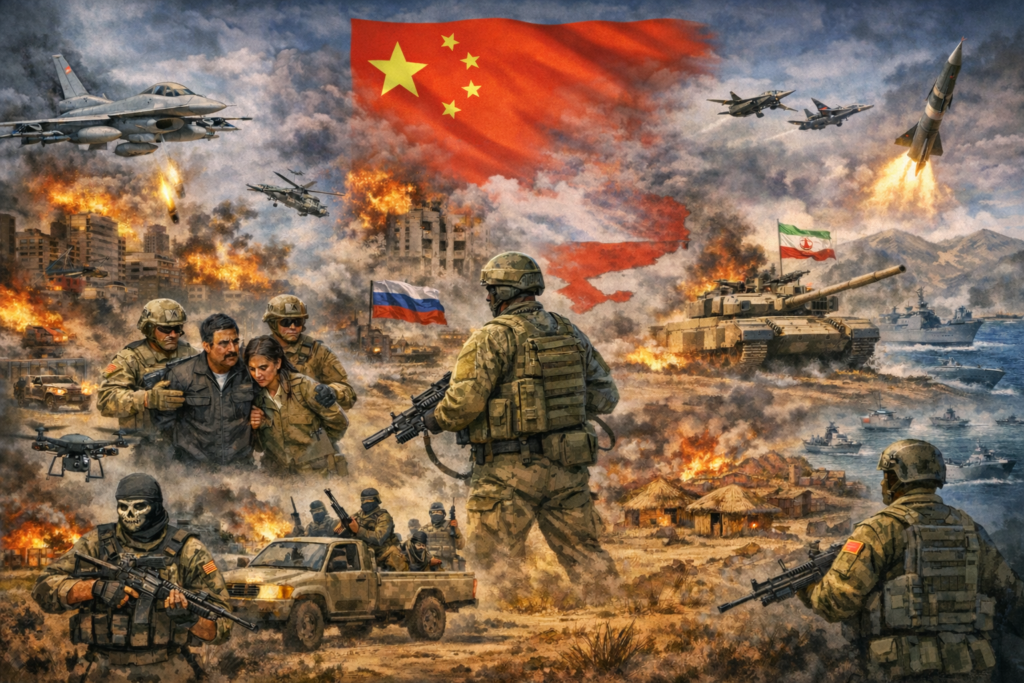
Major powers are behaving as if enforcement is optional. The US operation in Venezuela is the most dramatic illustration so far this year. China’s Taiwan drills are the most consequential rehearsal. Russia’s Ukraine campaign is the costliest grind. Together, they create a world where risk is not a forecast. Risk is a policy choice. Analysts

Global Crisis Hotspots in 2026: Escalations from Venezuela to Taiwan Read More »

Breaking with the Russian Gauge – Baltic States Set to Remove Old Rails to the East

The presidents of Lithuania, Latvia, and Estonia have agreed in principle that if one Baltic state removes its railway connections to Russia and Belarus, the others will follow suit in unison. Meeting in Riga on December 4, 2025, the three leaders discussed dismantling the old 1,520 mm “Russian gauge” tracks that cross their eastern borders. Unprecedented

Breaking with the Russian Gauge – Baltic States Set to Remove Old Rails to the East Read More »

×